








What's Happening?
The low-budget film 'Citizen Vigilante' and the high-budget 'Supergirl' are drawing attention for their contrasting release strategies and public reception. Directed by Uwe Boll, 'Citizen Vigilante' has gained notoriety through social media and controversy,
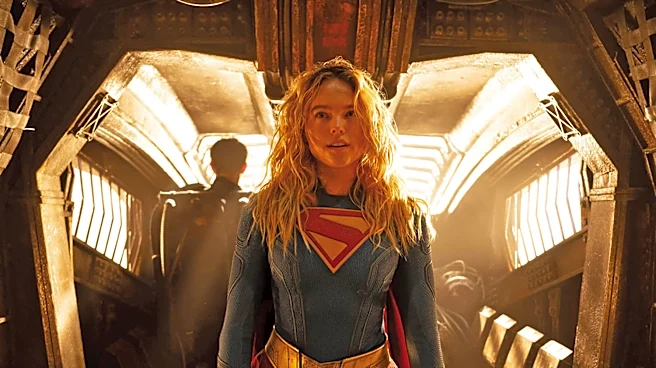
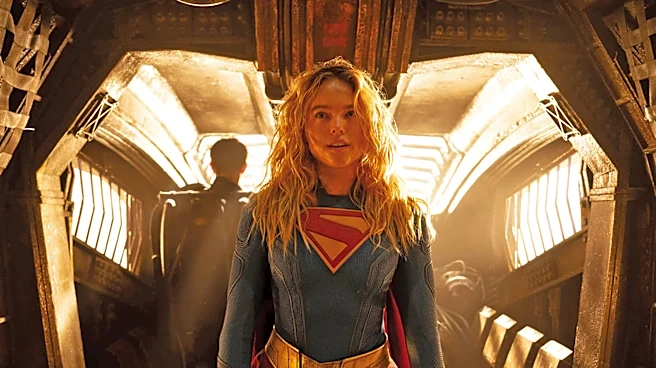
particularly for its themes and distribution model, which included a free release on X. In contrast, 'Supergirl,' backed by Warner Bros. and DC Studios, follows a traditional theatrical release model. Despite its blockbuster budget, 'Supergirl' has struggled to match the online buzz of 'Citizen Vigilante,' highlighting a shift in how films are marketed and consumed.
Why It's Important?
The differing receptions of 'Citizen Vigilante' and 'Supergirl' underscore a broader industry trend where digital-first strategies and social media influence can rival traditional marketing and theatrical releases. This shift challenges the conventional metrics of success, such as box office revenue, and raises questions about the future of film distribution. The success of 'Citizen Vigilante' through controversy and online platforms suggests that non-traditional films can achieve significant visibility without major studio backing, potentially altering how future films are financed and released.
Beyond the Headlines
The rise of 'Citizen Vigilante' also reflects the power of controversy in driving public interest, as well as the role of social media in amplifying niche content. This phenomenon raises ethical questions about the impact of provocative themes and the responsibilities of filmmakers in addressing sensitive topics. Additionally, the film's success highlights the potential for digital platforms to democratize film distribution, allowing independent filmmakers to reach audiences directly. However, the sustainability of this model remains uncertain, as financial success still largely depends on verified sales figures.