


What's Happening?
At London Fashion Week, designers Ester Manas, Sinéad O’Dwyer, and Karoline Vitto are actively championing size inclusivity, a stance that stands in contrast to a broader industry trend of increasingly smaller sizing. According to four years of the Vogue
Business Size Inclusivity Report, the representation of mid and plus-size models significantly declines when these designers do not showcase their collections at major fashion events like those in Paris or London. Karoline Vitto expressed concern over the 'pandemic of people shrinking themselves' and questioned the potential future consequences for teenage girls observing these shows. Lucy Maguire of Vogue Business engaged with these designers to discuss the challenges and motivations behind maintaining a size-inclusive brand in an industry that often moves in the opposite direction.
Why It's Important?
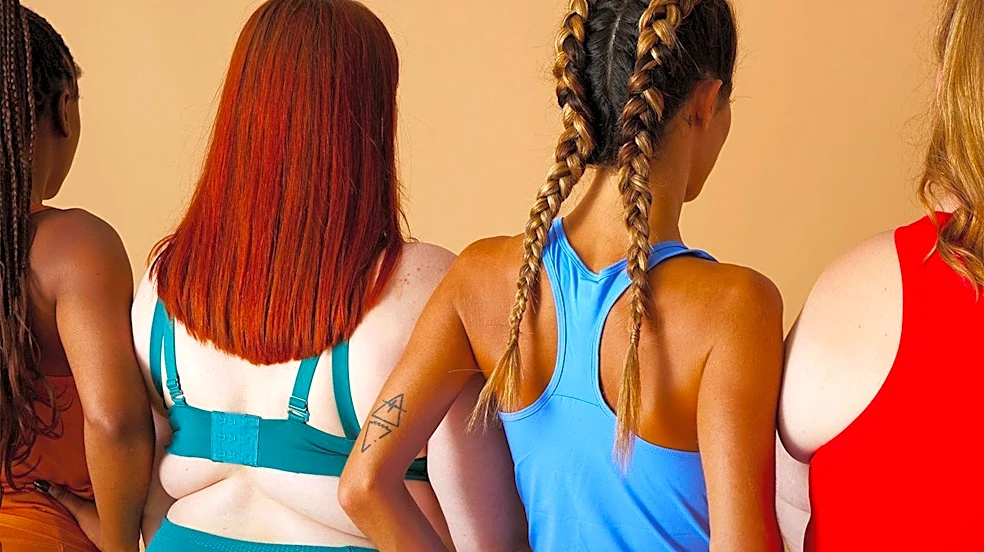
The push for size inclusivity by designers like Ester Manas, Sinéad O’Dwyer, and Karoline Vitto at events such as London Fashion Week is crucial for several reasons. It directly challenges the prevailing, often unrealistic, beauty standards perpetuated by the fashion industry, which can have significant psychological impacts on consumers, particularly young women. By advocating for diverse body types, these designers are promoting a more representative and healthier image of fashion. This movement can influence public perception of body image, encourage self-acceptance, and potentially lead to a broader shift in how clothing is designed, marketed, and consumed. The continued efforts of these designers highlight a critical social responsibility within the fashion world, aiming to create an environment where fashion is accessible and empowering for all body sizes, rather than exclusive to a select few.
What's Next?
The ongoing advocacy for size inclusivity by designers at London Fashion Week suggests a continued effort to challenge conventional fashion norms. Future developments may include increased pressure on other major fashion houses and events to adopt more inclusive sizing and representation on their runways. This could lead to more initiatives and policies within the fashion industry aimed at promoting body diversity. Consumers, particularly younger generations, are increasingly vocal about their desire for authentic representation, which may further drive demand for size-inclusive brands. The discussions initiated by designers like Karoline Vitto regarding the 'pandemic of people shrinking themselves' could also spark broader conversations about health, body image, and the ethical responsibilities of the fashion industry in shaping societal standards.
Beyond the Headlines
Beyond the immediate impact on fashion shows, the debate around size inclusivity at events like London Fashion Week touches upon deeper ethical and cultural dimensions. The fashion industry's historical emphasis on thinness has contributed to widespread body image issues and unhealthy societal pressures. The efforts of size-inclusive designers represent a significant cultural shift, challenging long-held ideals of beauty and promoting a more diverse and realistic portrayal of the human form. This movement is not just about clothing sizes; it's about fostering a more accepting and equitable society where individuals of all body types feel seen, valued, and represented. It also raises questions about the commercial viability of inclusive fashion and whether the industry will fully embrace this shift or if it will remain a niche movement championed by a few dedicated designers.