






What's Happening?
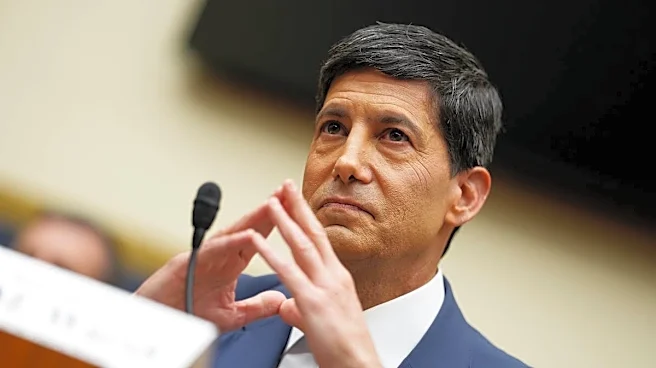
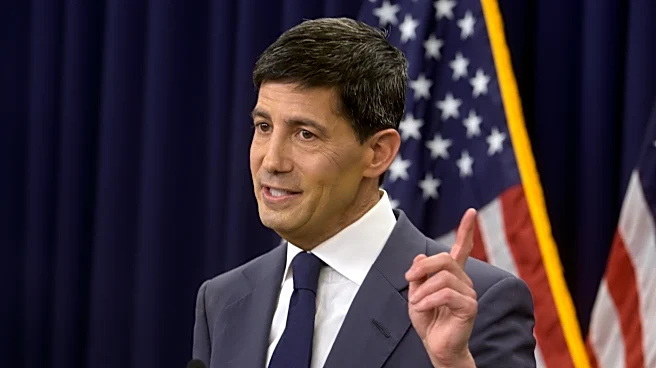
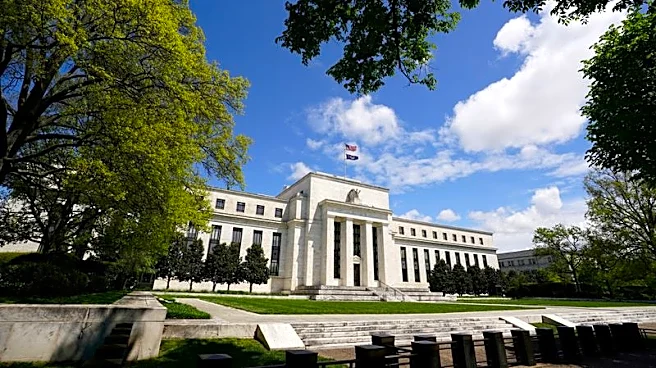
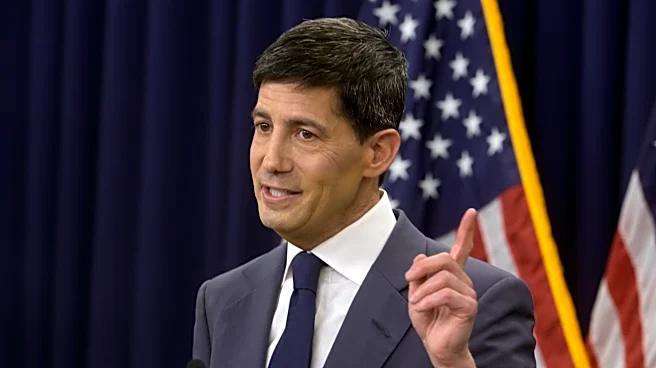
The Federal Reserve, under the leadership of its new chair, Kevin Warsh, is taking a different approach by focusing on price stability rather than the labor market. This shift has led to speculation about the Fed's future interest rate decisions, with
Wall Street divided on whether rates will be cut, raised, or left unchanged at the upcoming September meeting. Warsh's strategy includes reducing the Fed's commentary on monetary policy to allow markets to respond to real-time economic data. Despite President Trump's expectations for a rate cut, Warsh maintained the federal funds rate at 3.5% to 3.75% during the June meeting. The market anticipates potential rate hikes in September, October, and December, each by 0.25%, although some investors believe energy-driven inflation may ease, leading to stable or reduced rates.
Why It's Important?
The Federal Reserve's policy direction significantly impacts the U.S. economy, influencing borrowing costs, consumer spending, and investment decisions. Warsh's focus on price stability could lead to tighter monetary policy, affecting sectors sensitive to interest rates, such as housing and consumer finance. The uncertainty surrounding the Fed's actions creates volatility in financial markets, prompting investors to seek safer, income-generating investments like the Infrastructure Capital Equity Income ETF (ICAP). This ETF offers exposure to large-cap stocks that pay dividends, providing a hedge against market fluctuations. The Fed's decisions will be closely watched by businesses, policymakers, and investors, as they navigate the challenges of inflation and economic growth.
What's Next?
The Federal Reserve's next meeting in September will be pivotal, as markets await clarity on interest rate policy. Investors and analysts will scrutinize economic indicators, particularly inflation data, to gauge the Fed's likely course of action. The outcome will influence market sentiment and investment strategies, with potential implications for sectors reliant on consumer spending and borrowing. Stakeholders, including businesses and policymakers, will need to adapt to the evolving economic landscape shaped by the Fed's decisions.