



What's Happening?
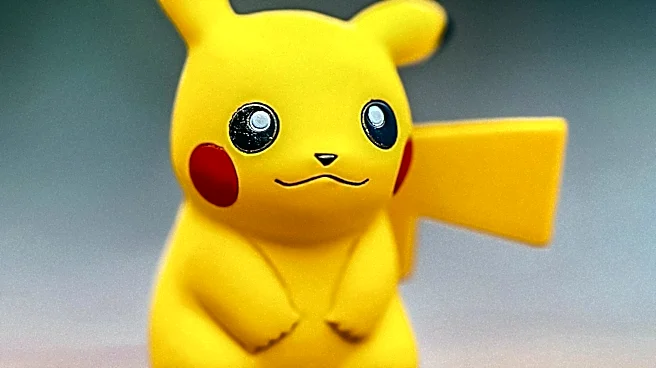
Polaroid has announced a new limited-edition camera collection in collaboration with Pokémon to celebrate the franchise's 30th anniversary. The collection features three instant cameras: a bright yellow Pikachu version of the compact Polaroid Go Generation
3, a pink, white, and blue Sylveon camera, and a larger Polaroid Now Generation 3 designed to resemble a Poké Ball. The Pikachu and Sylveon cameras are priced at $100 each, while the Poké Ball model costs $140. These cameras are existing Polaroid models re-skinned with Pokémon themes, including Poké Ball-shaped shutter buttons. In addition to the cameras, the collection includes double packs of Pikachu and Sylveon film for $25, and i-Type film with Pokémon designs for $23. Other accessories such as a Poké Ball camera case ($25), a photo album ($25), and a shoulder strap ($15) are also available. Preorders for the collection begin on August 25, with a general release on October 5, available through the Polaroid website and the Pokémon Center website in the US, UK, and Canada. All items will be sold in limited quantities.
Why It's Important?
This collaboration between Polaroid and Pokémon is a significant example of nostalgia marketing, targeting both current fans and adults who grew up with the franchise. The strategy leverages emotional connections to childhood memories, which research suggests can make consumers more willing to spend. By offering limited-edition, collectible items at accessible price points, the companies aim to capitalize on the emotional value consumers place on these brands. This approach can drive substantial sales, as adults increasingly purchase toys, collectibles, and themed products linked to their past. The collection's appeal extends beyond just the cameras to include themed film and accessories, creating a comprehensive product ecosystem that encourages multiple purchases. The limited availability further amplifies the sense of urgency and exclusivity, making these items more desirable to collectors and fans alike. This marketing tactic highlights a broader trend in consumer goods where established brands tap into nostalgia to create new revenue streams and engage a diverse demographic.
What's Next?
Preorders for the limited-edition Pokémon camera collection will open on August 25, followed by a general release on October 5. Consumers interested in acquiring these items will need to act quickly due to the limited quantities available. The collection will be sold through the Polaroid website and the Pokémon Center website in the US, UK, and Canada. Polaroid is also introducing a feature starting September 29, allowing customers to track the Pokémon silhouettes printed on the darkslides of their film packs, turning even a typically discarded item into a collectible. The success of this collection could influence future collaborations between Polaroid and other nostalgic brands, as well as encourage other companies to explore similar nostalgia-driven marketing strategies. The ongoing 30th-anniversary celebrations for Pokémon are likely to feature additional merchandise and events, further engaging its global fanbase.
Beyond the Headlines
The Pokémon x Polaroid collaboration underscores the powerful role of nostalgia in modern consumer culture. This marketing strategy taps into a psychological phenomenon where positive memories from the past influence present purchasing decisions, often leading to increased willingness to spend. For many adults, Pokémon represents a significant part of their childhood, and products like these cameras offer a tangible connection to those cherished memories. This trend reflects a broader societal shift where adults are increasingly investing in items that evoke a sense of comfort, familiarity, and playfulness from their youth. The collectibility aspect, combined with limited availability, transforms these products from mere consumer goods into cultural artifacts that hold both sentimental and potential monetary value. This phenomenon also highlights the enduring power of intellectual properties like Pokémon to transcend generations and maintain relevance through strategic brand extensions and partnerships.