





What's Happening?
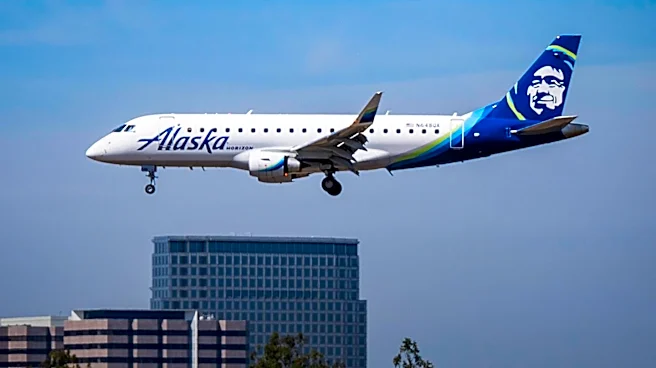
Alaska Air Group announced its continued commitment to developing Honolulu as a significant hub, despite recent acknowledgments of Hawaii being one of the weakest-performing parts of its network this year. The company is moving forward with its more than
$600 million Kahu‘ewai Hawai‘i Investment Plan. This plan includes substantial investments in aircraft upgrades, airport improvements, and technology. A key component is the construction of a nearly 13,000-square-foot Hawaiian Airlines Lounge at Daniel K. Inouye International Airport, slated to open in 2028 and accommodate approximately 200 guests. The announcement was made during the 'Alaska Accelerate 2026: The Hawaii Experience' open house at Hawaiian Airlines’ Honolulu headquarters, attended by about 240 community stakeholders. Alaska Airlines President and Chief Financial Officer Shane Tackett emphasized that Hawaii remains a crucial part of their network, with roughly a third of the company's revenue already touching the region. Hawaiian Airlines CEO Diana Birkett Rakow also expressed confidence in Hawaii's future outlook, stating that Honolulu and Seattle will continue to be massive hubs for both domestic and international traffic.
Why It's Important?
This significant investment by Alaska Air Group underscores a long-term strategic vision for the U.S. airline industry, particularly in the Pacific region. Despite short-term performance issues attributed to weather disruptions, excess industry capacity, and merger-related integration challenges, the company is prioritizing infrastructure and service enhancements. This commitment signals confidence in Hawaii's enduring appeal as a travel destination and its strategic importance as a gateway. The investments are expected to improve the travel experience for both residents and tourists, potentially boosting local economies through increased tourism and business activity. The focus on premium travel products, such as the new lounge and upgraded onboard services, aims to attract higher-paying customers, which executives believe will help subsidize competitive fares for economy travelers and local residents. This strategy could set a precedent for how major U.S. airlines navigate market fluctuations while maintaining long-term growth objectives and regional commitments.
What's Next?
Alaska Air Group anticipates an improvement in Hawaii's performance next year as merger integration efforts conclude, industry capacity stabilizes, and weather-related disruptions subside. Travelers can expect several enhancements in the near future, including a new premium security bypass experience at Honolulu in 2027, offering a dedicated check-in area and expedited TSA screening. Ongoing onboard improvements, such as new meal offerings developed with Hawaii chef Sheldon Simeon and upgraded food and beverage services, are also being rolled out. The company will continue to modernize airport lobbies, gate areas, and employee facilities across Hawaii, alongside digital technology improvements and expanded workforce development. Contract negotiations with labor groups are described as productive, with expectations for some employee groups to reach joint agreements over the coming quarters. The combined carrier is projected to remain a net job creator, though staffing levels will continue to be evaluated as integration progresses.
Beyond the Headlines
The substantial investment in Hawaii by Alaska Air Group, despite current market headwinds, highlights a broader trend in the U.S. airline industry: the strategic importance of key hubs and the willingness to invest for long-term gains over short-term fluctuations. This move also reflects a commitment to enhancing customer loyalty and experience, particularly through premium offerings and expanded loyalty programs like Huaka‘i by Hawaiian benefits and a forthcoming debit card for travel rewards. The emphasis on local artwork, island-inspired food, and natural materials in the new lounge design suggests a cultural integration strategy, aiming to resonate with the local community and enhance the Hawaiian brand identity. Furthermore, the company's approach to using premium travel revenue to maintain competitive fares for all travelers demonstrates a nuanced business model that balances profitability with accessibility, potentially influencing pricing strategies across the industry. This long-term perspective, viewing investments through a 'decades-long lens,' underscores the resilience and strategic foresight required in the highly competitive and often volatile airline sector.