





What's Happening?
The British Virgin Islands and French Polynesia have been identified as two of the world's most luxurious travel destinations, characterized by exceptionally high accommodation costs. In the British Virgin Islands, average weeknight hotel rates reach
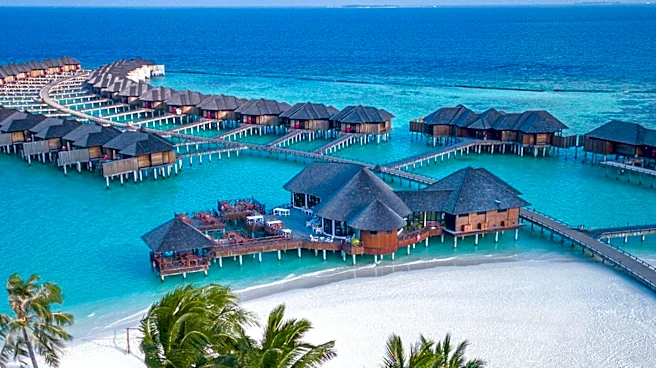
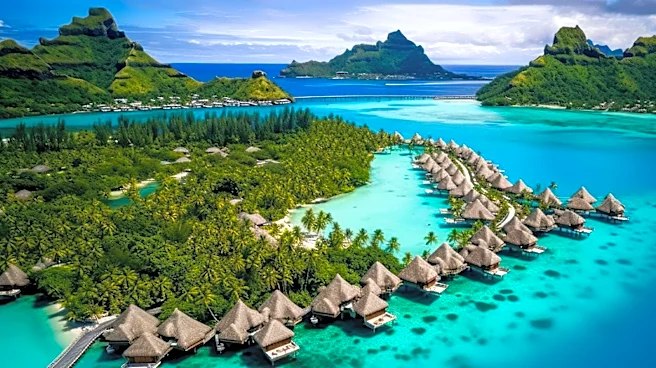
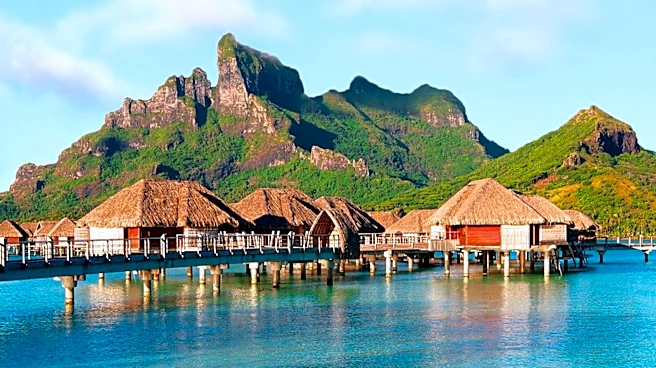
approximately $1,137, with private villas, yacht charters, and exclusive resorts further contributing to the expense. French Polynesia, particularly destinations like Bora Bora and Tahiti, sees average weeknight accommodation costs soaring to $1,382, attracting honeymooners and those seeking romantic escapes with its overwater bungalows and crystalline lagoons. Other high-ranking luxury destinations include Switzerland, known for its Alpine resorts and sophisticated cities, and various Caribbean escapes, all contributing to a global landscape of premium travel experiences.
Why It's Important?
The exorbitant costs associated with these luxury destinations highlight a significant segment of the global tourism market catering to ultra-high-net-worth individuals. For these regions, the influx of affluent travelers drives substantial economic activity, supporting local businesses, employment in the hospitality sector, and infrastructure development. However, such high prices can also create exclusivity, potentially limiting access for a broader range of tourists and raising questions about equitable development and local community integration. The demand for these premium experiences also influences global travel trends, pushing other destinations to enhance their luxury offerings and services to compete for this lucrative market segment. This concentration of wealth in specific travel locales can also lead to increased investment in high-end amenities and services, further solidifying their status as elite destinations.
What's Next?
The trend of increasing luxury travel costs in these prime destinations is likely to continue, driven by sustained demand from affluent travelers. Destinations may further invest in exclusive, high-end infrastructure and services, such as private island resorts and bespoke travel experiences, to maintain their appeal. There could also be a growing focus on personalized services and unique, immersive cultural experiences to differentiate offerings in a competitive market. Additionally, as these destinations become more exclusive, there might be a push towards sustainable luxury practices to preserve their natural beauty and cultural integrity, which are key attractions for discerning travelers. The industry may also explore new ways to cater to this segment, such as private jet travel and luxury villa rentals, offering unparalleled convenience and privacy.
Beyond the Headlines
The rise of ultra-luxury destinations like the British Virgin Islands and French Polynesia reflects broader societal trends, including increasing wealth disparity and the globalization of luxury consumption. These destinations often become symbols of status and aspiration, influencing travel desires beyond the immediate luxury market. The environmental impact of high-end tourism, particularly in fragile ecosystems like coral reefs and secluded islands, is a critical underlying concern. Balancing economic benefits with ecological preservation and ensuring that local communities genuinely benefit from this tourism, rather than being displaced or marginalized, are ongoing challenges. The pursuit of 'paradise' at a premium also raises questions about the commodification of natural beauty and cultural authenticity, prompting a need for responsible tourism development that respects both the environment and local populations.