






What's Happening?
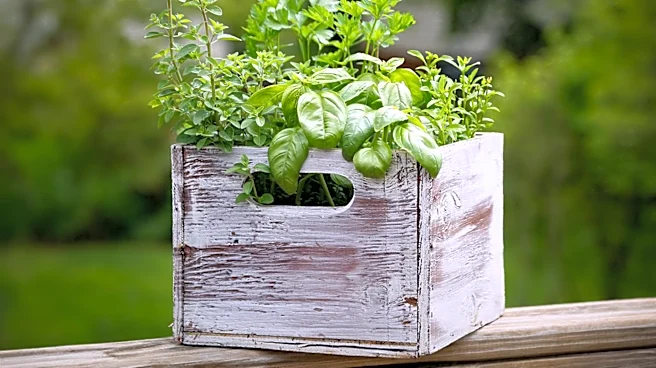
House Digest has published a guide on transforming old wooden pallets into vertical herb gardens. This DIY project is presented as a beginner-friendly option for those with limited outdoor space. The article emphasizes the importance of selecting pallets stamped
with 'HT' (heat-treated) or 'KD' (kiln-dried) to ensure they are chemical-free and safe for gardening. Pallets marked 'MB' (methyl bromide treated) should be avoided due to the toxicity of the pesticide used. The necessary materials include landscape fabric, a nail puller, and a staple gun or U-shaped nails and a hammer. The guide suggests starting with easy-to-grow herbs like mint, parsley, oregano, and dill, which can sprout from seeds in a few weeks or be purchased as plants for immediate gratification. The project allows for personalization, such as sanding and painting the wood with non-toxic, VOC-free exterior paint, and adding chalkboard paint for labeling herbs.
Why It's Important?
This initiative by House Digest promotes sustainable practices by encouraging the repurposing of materials that might otherwise end up in landfills. The creation of vertical herb gardens addresses the growing interest in urban gardening and self-sufficiency, particularly for individuals living in apartments or homes with small yards. By providing clear instructions on identifying safe pallets, the guide helps protect consumers from potentially harmful chemicals, ensuring that homegrown herbs are safe for consumption. The emphasis on easy-to-grow herbs makes gardening accessible to a wider audience, fostering a connection to food sources and potentially reducing grocery expenses. This trend aligns with broader movements towards eco-conscious living and localized food production, contributing to community resilience and environmental stewardship.
What's Next?
Individuals interested in creating their own pallet herb gardens can begin by sourcing suitable pallets from friends in construction, local warehouses, or specialized companies. The next steps involve gathering the additional materials like landscape fabric and tools, then following the detailed instructions provided by House Digest for assembly and planting. Gardeners can experiment with various herbs, considering their climate and personal culinary preferences. The project also opens avenues for community workshops or educational programs focused on sustainable gardening and DIY projects. As more people adopt such practices, there could be an increased demand for recycled materials and non-toxic gardening supplies, potentially influencing product development and availability in the market.
Beyond the Headlines
Beyond the immediate benefit of a personal herb garden, this guide touches upon deeper themes of resourcefulness and environmental responsibility. The act of transforming discarded pallets into productive gardens challenges conventional consumption patterns and highlights the value of upcycling. It also underscores the importance of informed choices regarding materials, particularly when they interact with food production, raising awareness about chemical treatments in wood products. Culturally, the rise of DIY gardening projects like this reflects a broader societal shift towards self-reliance, a desire for healthier food options, and a renewed appreciation for nature in urban settings. This simple project can foster a sense of accomplishment and connection to the natural world, promoting mental well-being and sustainable living practices.