







What's Happening?
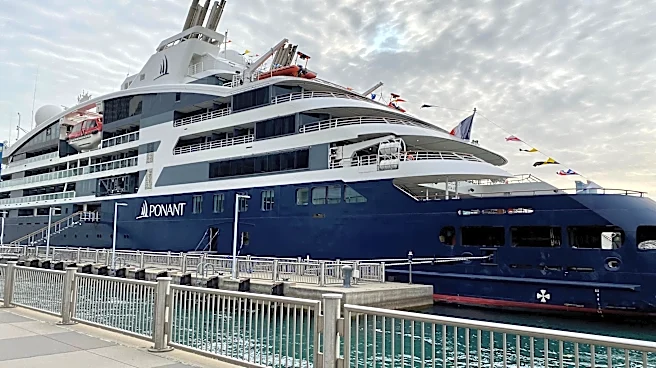
Travelers are increasingly opting for 'learning vacations' that combine educational experiences with luxury travel. These trips, offered by companies like Ponant and Smithsonian Journeys, provide lectures and activities that delve into the history, culture,
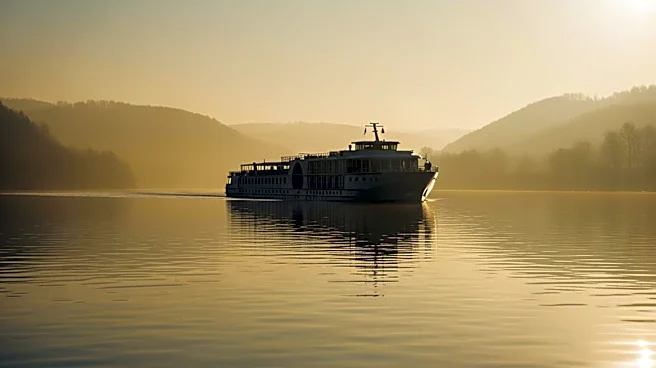
and science of destinations. For instance, on a cruise through New Zealand's fjords, travelers can learn about the region's ecological and human history from experts. This trend, known as 'skillcation,' is gaining popularity as travelers seek meaningful and enriching experiences beyond traditional sightseeing. Smithsonian Journeys has expanded its offerings to include partnerships with river cruise lines like AmaWaterways, enhancing shore excursions with cultural and historical insights.
Why It's Important?
The rise of learning vacations reflects a shift in consumer preferences towards more meaningful travel experiences. This trend could significantly impact the travel industry by increasing demand for educational and culturally immersive trips. Companies that offer these experiences may see growth as they cater to travelers seeking deeper connections with their destinations. This shift also highlights a broader societal trend towards lifelong learning and personal enrichment, suggesting that travelers value experiences that offer both leisure and intellectual engagement. As more travelers prioritize understanding the places they visit, the travel industry may need to adapt by offering more educational and culturally rich itineraries.
What's Next?
As the demand for learning vacations grows, travel companies may expand their offerings to include more diverse destinations and educational themes. This could lead to increased collaboration between travel operators and educational institutions to provide expert-led experiences. Additionally, the trend may encourage the development of new travel products that cater to niche interests, such as history, science, or art. As travelers continue to seek enriching experiences, the industry may see a rise in specialized tours and cruises that offer unique insights into the world's cultures and histories. This evolution in travel preferences could also influence how destinations market themselves, emphasizing their educational and cultural assets.