




What's Happening?
Tim Bradley, a former boxing champion, has voiced strong criticism against contemporary boxers, including Shakur Stevenson and Gervonta Davis, for what he perceives as an entitlement to Floyd Mayweather-level paydays without engaging in the high-risk,
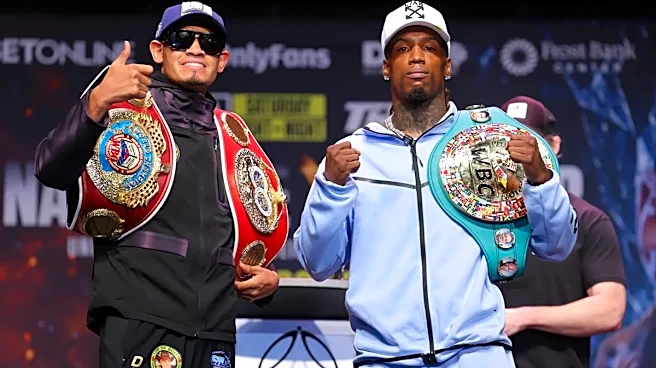
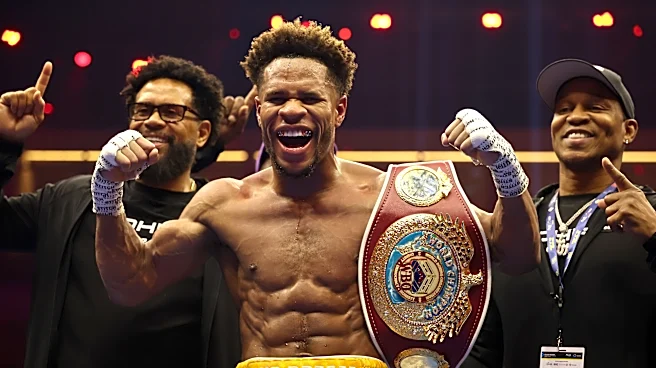
challenging fights that built Mayweather's career. Bradley's comments came in the wake of O'Shaquie Foster's victory over Emanuel Navarrete, which he highlighted as an example of a fighter taking genuine risks. Bradley praised Foster's aggressive start, in-fight adjustments, and defensive skills, contrasting this with what he described as a cautious mindset among other top fighters. He specifically called out Stevenson and Davis, suggesting they avoid difficult matchups. Bradley emphasized that Mayweather earned his substantial paydays by consistently fighting and defeating top contenders and champions, setting box office records in the process. He argued that demanding similar financial rewards without undertaking comparable challenges leads to overpaying for less competitive fights.
Why It's Important?
Bradley's critique highlights a significant issue within professional boxing: the perceived reluctance of some top fighters to engage in high-risk, high-reward matchups. This trend can diminish the sport's appeal by reducing the number of compelling, competitive fights that fans desire. When star fighters are perceived as avoiding challenging opponents, it can lead to a decline in fan engagement and trust, potentially impacting viewership and revenue for the sport as a whole. Bradley's argument suggests that the current business model, where promoters might overpay stars for easier fights, creates a cycle that discourages competitive matchups. This situation can prevent deserving contenders, like Foster, from securing the major paydays they earn through their performances, as the financial landscape is skewed towards established, yet potentially less active, stars. Ultimately, this dynamic affects the integrity of boxing, as the best fighters may not always face each other, leaving fans with unanswered questions about true divisional supremacy.
What's Next?
The ongoing debate sparked by Bradley's comments could intensify pressure on top fighters like Shakur Stevenson and Gervonta Davis to pursue more challenging opponents. If public and media sentiment aligns with Bradley's views, there might be increased demand from fans and critics for these fighters to step up and face elite competition. This could lead to more significant matchups being negotiated, potentially altering the landscape of several weight divisions. Promoters might also face pressure to balance fighter demands for high purses with the need to deliver compelling fights that satisfy the audience. The performance of fighters like O'Shaquie Foster, who take on tough challenges, could serve as a benchmark, influencing how other fighters and their teams strategize their careers. Ultimately, the future could see a shift towards a more competitive boxing environment if the sport's stakeholders prioritize legacy-defining fights over perceived 'safe' matchups, potentially leading to a resurgence in fan interest and critical acclaim.
Beyond the Headlines
Bradley's commentary touches upon deeper ethical and economic considerations within boxing. The pursuit of 'Mayweather money' without 'Mayweather challenges' raises questions about the sport's long-term health and competitive spirit. It highlights a potential disconnect between financial incentives and sporting merit. If fighters are primarily motivated by guaranteed large paychecks for less risky bouts, it could stifle the development of new rivalries and prevent the emergence of truly dominant champions who have proven themselves against the best. This situation also impacts the perception of boxing as a legitimate sport versus a business spectacle. The 'ball sits squarely in the fans’ court,' as Bradley noted, implying that fan demand for competitive fights can influence the market. If fans continue to support events with less competitive matchups, the current trend may persist. Conversely, if fans demand more challenging fights, it could force a shift in how fighters, managers, and promoters approach career development and fight selection, potentially leading to a more vibrant and competitive boxing landscape.