




What's Happening?
The electric lighting equipment manufacturing market is undergoing a significant transformation, propelled by technological innovations and evolving consumer preferences. Manufacturers are heavily investing in research and development to meet the rising
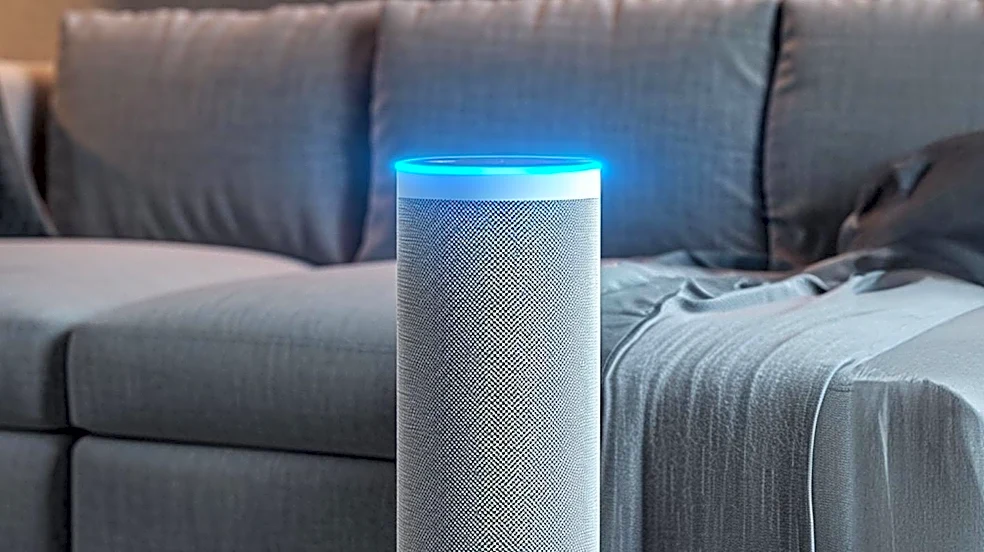
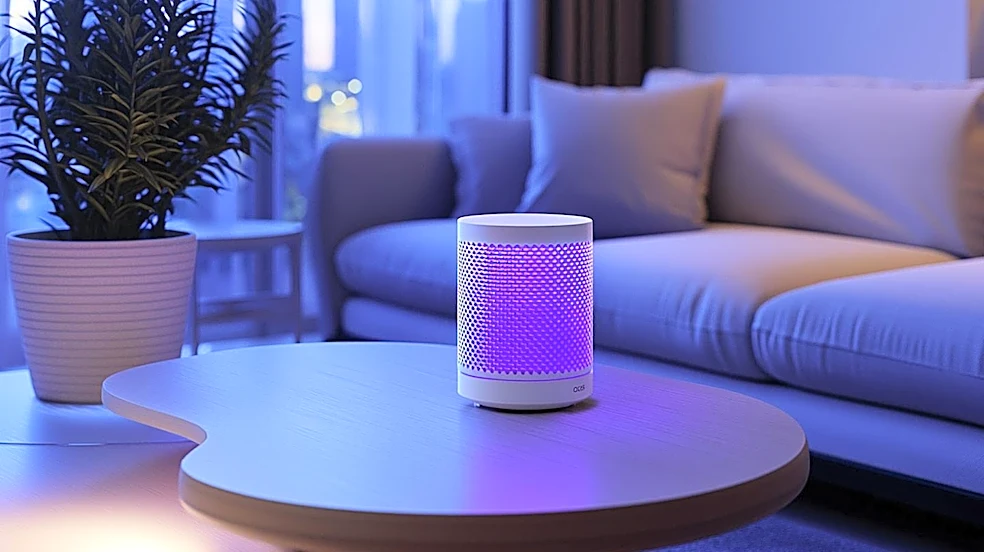
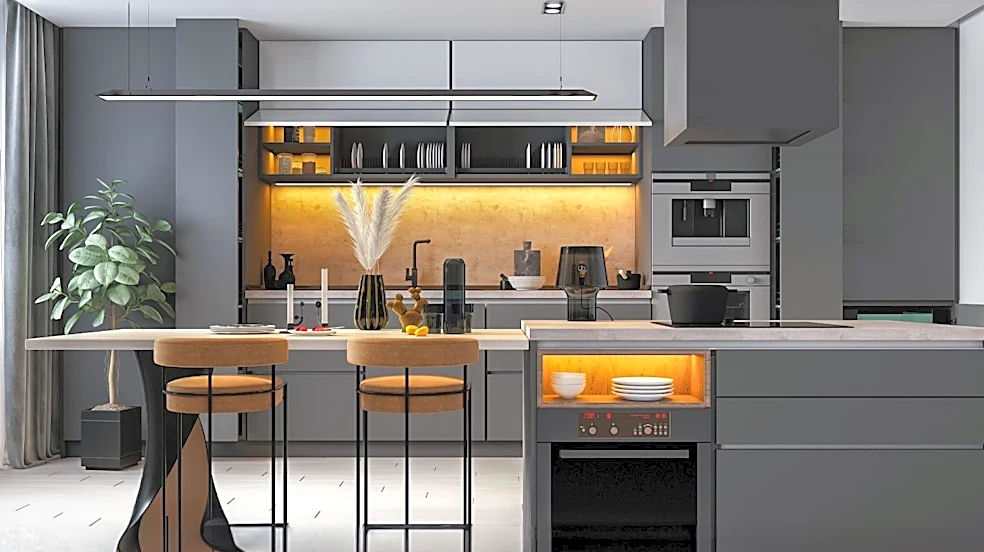
demand for energy-efficient, smart, and sustainable lighting solutions. Key innovations include advancements in LED technology, such as high-color rendering index (CRI) LEDs and tunable lighting options, which offer superior energy efficiency, longer lifespans, and decreasing manufacturing costs. The integration of Internet of Things (IoT) technology is revolutionizing lighting systems, enabling smart lighting solutions with sensors, wireless connectivity, and automation capabilities for remote management, adaptive lighting, and energy optimization. This shift is impacting residential, commercial, and industrial sectors, with consumers seeking control via smartphones and voice assistants, and businesses benefiting from improved operational efficiency and reduced energy consumption.
Why It's Important?
This transformation in the electric lighting equipment manufacturing market is crucial for several reasons. The widespread adoption of energy-efficient LED technology and IoT-enabled smart lighting systems directly contributes to energy savings and reduced operational costs across various sectors. For industries, real-time data collection and analytics facilitated by IoT integration allow for predictive maintenance and enhanced operational efficiency, supporting sustainability goals. In the residential sector, these innovations enhance convenience and energy savings for consumers, integrating seamlessly with existing smart home ecosystems. The focus on sustainable and eco-friendly materials in product development aligns with global sustainability standards and regulatory requirements, appealing to environmentally conscious consumers and driving the market towards greener products. This evolution not only improves product performance but also creates new avenues for market expansion and business models.
What's Next?
The ongoing development of smart, connected lighting solutions is expected to present substantial growth opportunities. As urban infrastructure and smart city initiatives expand, there will be an increased demand for integrated lighting systems that enhance safety, energy efficiency, and aesthetic appeal. Advancements in human-centric lighting, which supports health and well-being, are anticipated to open new application avenues in healthcare, education, and corporate environments. Companies that prioritize investment in innovative technologies and sustainable materials are well-positioned to capitalize on these emerging opportunities. Manufacturers will continue to adopt modular design principles for customizable lighting configurations, facilitating easier upgrades and maintenance. However, challenges such as high initial R&D costs, supply chain disruptions, and the need for continuous innovation to stay competitive will require ongoing attention.
Beyond the Headlines
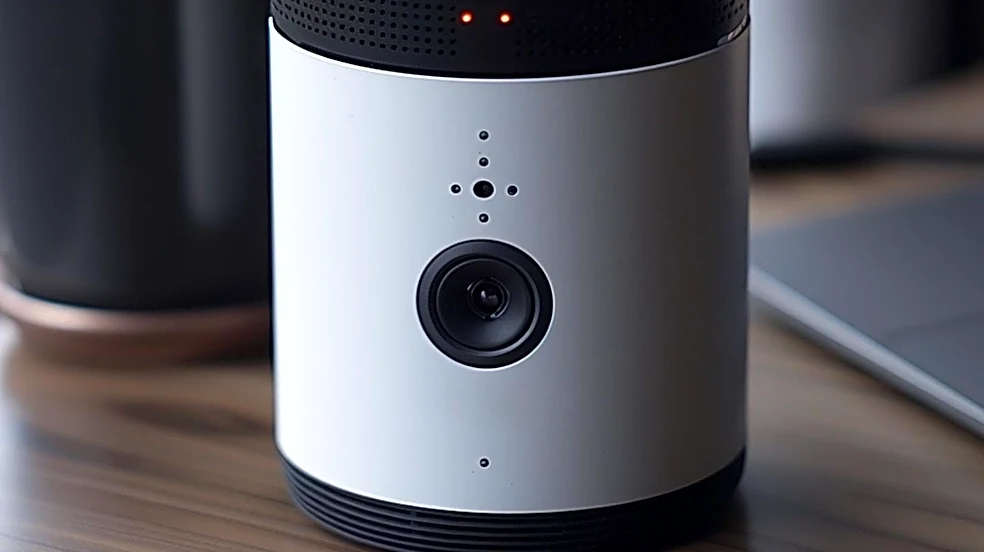
Beyond the immediate technological advancements, the shift towards smart and sustainable lighting has deeper implications for societal well-being and urban development. Human-centric lighting, designed to support health and well-being, could significantly impact productivity in workplaces and learning environments, and improve patient recovery in healthcare settings. The integration of lighting into smart city infrastructures goes beyond mere illumination, contributing to enhanced public safety, optimized resource management, and a more connected urban experience. This evolution also raises ethical considerations regarding data privacy and security in IoT-enabled lighting systems, as well as the long-term environmental impact of manufacturing and disposing of increasingly complex electronic components. The market's trajectory suggests a future where lighting is not just a utility but an intelligent, integrated component of our living and working environments.