






What's Happening?
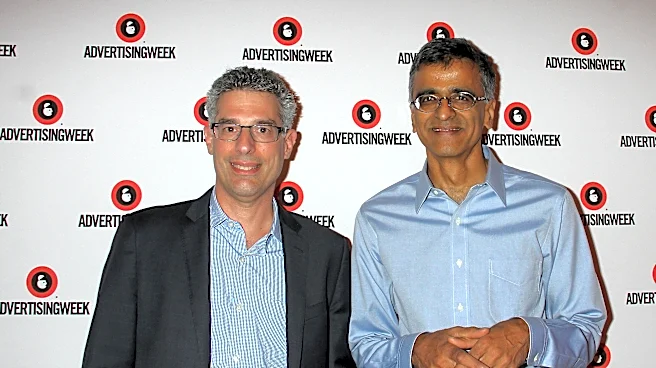
BuzzFeed, Inc. has announced the appointment of Chris Poydenis, co-founder and former Chief Revenue Officer of Influential, as its new Chief Revenue Officer. This move is part of Chairman and CEO Byron Allen's strategy to transform BuzzFeed into a free-streaming
content platform. Poydenis is joined by Jesse Batres, Influential’s former EVP and Head of National Sales and Partnerships, who will serve as President, Sales and Partnerships. Poydenis brings over a decade of experience from Influential, where he led sales teams and built relationships with agencies, brands, and Fortune 500 partners. His previous company, Influential, was sold to Publicis for $500 million in 2024. These appointments follow a challenging third quarter for BuzzFeed, which reported a 44% year-over-year revenue decline to $26 million and a widened net loss of $18.7 million. The company also underwent a restructuring in July, reducing its workforce by approximately 35% to achieve an estimated $30 million in annualized savings.
Why It's Important?
The hiring of Chris Poydenis and Jesse Batres signals a significant strategic pivot for BuzzFeed, aiming to leverage their expertise in digital media, influencer relationships, and brand partnerships to navigate its transition into a free-streaming platform. This shift is crucial for BuzzFeed as it seeks to stabilize its financial performance following a substantial revenue decline and increased net losses. The integration of BuzzFeed's content with Allen Media Group's portfolio, including the Local Now platform with its 650 free, ad-supported streaming television (FAST) channels, could create a powerful new distribution model. This move could redefine how BuzzFeed monetizes its content and engages with audiences, potentially attracting new advertisers and creators. The success of this strategy will be vital for BuzzFeed's long-term viability in a rapidly evolving digital media landscape, impacting its market position and future growth prospects.
What's Next?
BuzzFeed plans to actively recruit creators to upload their content libraries to its new platform, aiming to monetize this content through brand partnerships. The company intends to combine BuzzFeed-branded content with programming from Allen Media Group, distributing it via a connected-TV app, its website, and its mobile app. This integration will draw upon Allen's existing portfolio, which includes a vast library of movies, television shows, and documentaries. The new leadership, under Poydenis and Batres, will focus on translating Byron Allen's vision into a commercial reality, aiming to help brands achieve measurable business outcomes through meaningful engagement across various platforms and formats. BuzzFeed has deferred its full-year financial outlook as it integrates the ownership change and restructuring, indicating that the immediate focus will be on implementing these strategic changes and stabilizing operations.
Beyond the Headlines
This strategic shift by BuzzFeed highlights a broader trend in the digital media industry: the increasing importance of video-first platforms and the evolving consumption habits of audiences. As traditional advertising models face pressure, companies like BuzzFeed are exploring new avenues for revenue generation, including free-streaming and creator-driven content monetization. The emphasis on influencer relationships and brand partnerships reflects a recognition of the power of creator economies in engaging diverse audiences. This transformation could set a precedent for other digital media companies struggling with declining ad revenues, potentially leading to a more fragmented yet dynamic content ecosystem. The success or failure of BuzzFeed's new strategy will offer valuable insights into the future of digital content creation, distribution, and monetization.