



What's Happening?
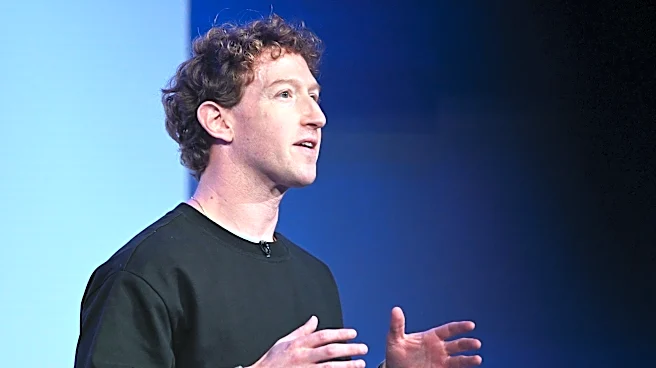
Mark Zuckerberg has released a 6,500-word manifesto outlining a positive future for artificial intelligence (AI). The essay aims to address the negative press surrounding AI, including concerns about job losses and data center impacts. Zuckerberg envisions
AI as a tool to enhance personal relationships, hobbies, and productivity. However, the manifesto has been criticized for its lack of focus on personal experience and the human element in activities like reading and hobbies. Critics argue that AI cannot replace the personal investment required in relationships and hobbies, which are essential for personal growth and satisfaction.
Why It's Important?
The manifesto highlights the ongoing debate about the role of AI in society. While Zuckerberg presents AI as a means to improve efficiency and productivity, critics emphasize the importance of personal experience and human interaction. This debate is crucial as AI continues to integrate into various aspects of life, potentially reshaping industries and personal lives. The discussion also touches on ethical considerations, such as the impact of AI on job markets and the potential for increased inequality if AI tools remain accessible only to the wealthy.
Beyond the Headlines
Zuckerberg's vision raises questions about the future of human creativity and the value of personal effort. As AI tools become more prevalent, there is a risk that the focus on productivity could overshadow the intrinsic value of personal experiences and creativity. This could lead to a society that prioritizes efficiency over personal fulfillment, potentially impacting mental health and societal well-being. The manifesto also highlights the need for a balanced approach to AI development, considering both technological advancements and their impact on human life.