



What's Happening?
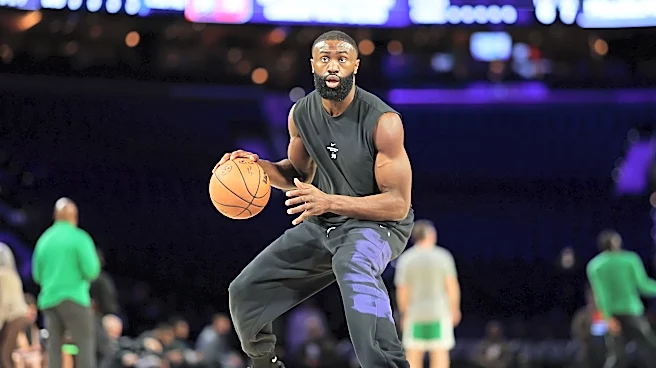
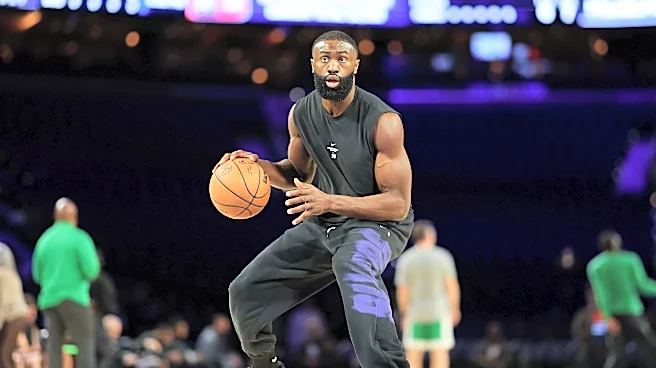
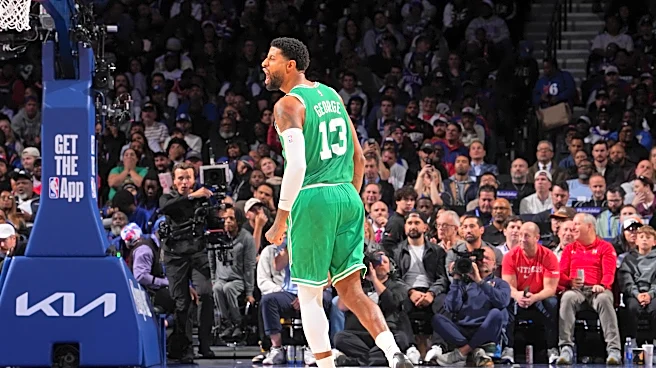
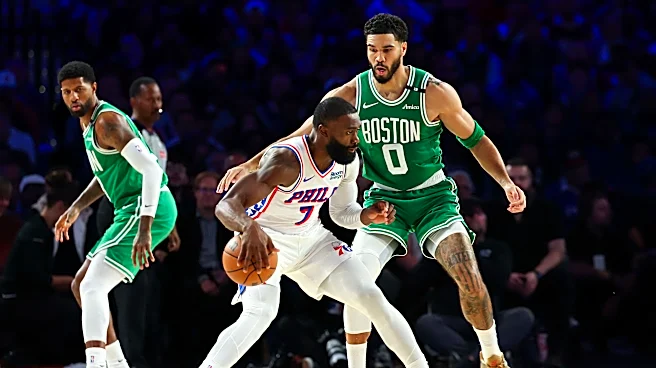
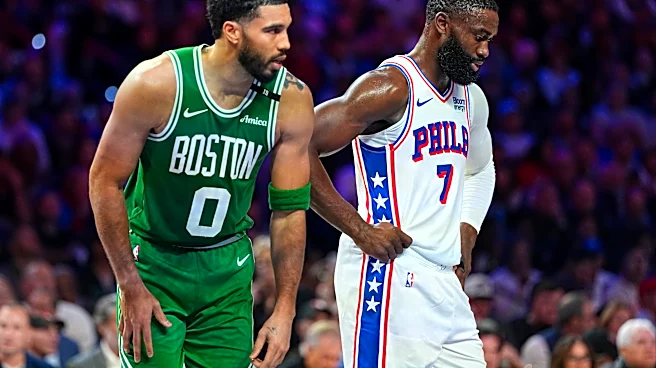
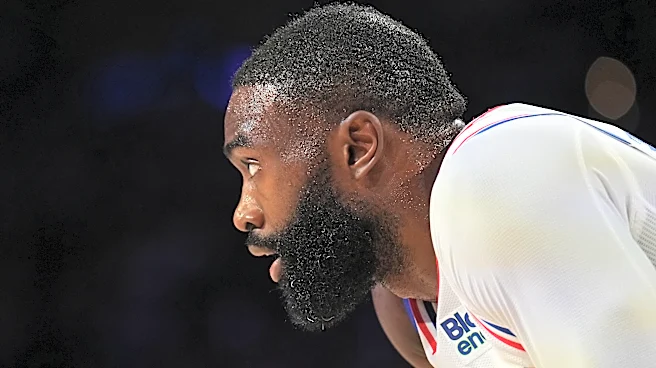
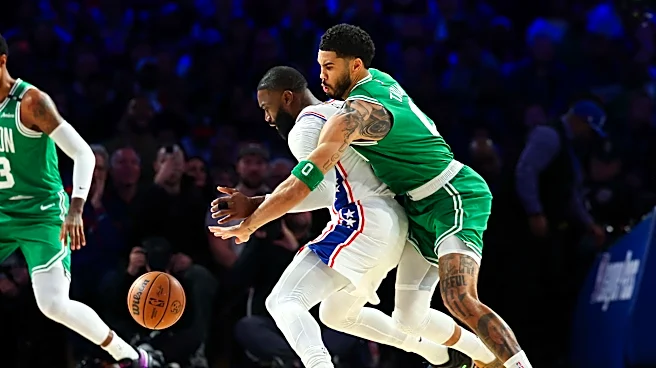
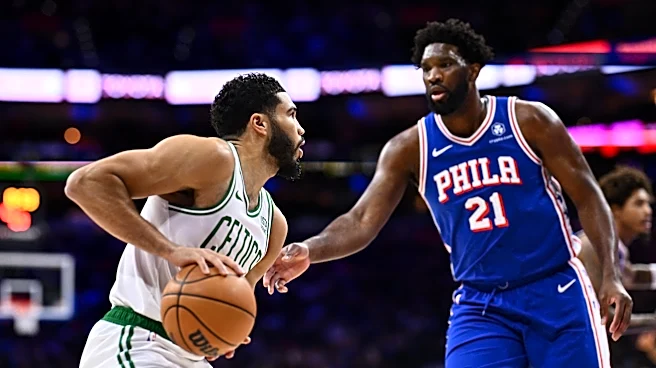
Sportswriter and podcaster Bill Simmons heavily criticized NBC for its broadcast of the pregame interaction between former teammates Jayson Tatum and Jaylen Brown during the Boston Celtics vs. Philadelphia 76ers game. Simmons stated that NBC 'f***ed it up'
by inexplicably using a split screen at the crucial moment when Tatum approached Brown. This decision resulted in the network largely missing the highly anticipated first on-court meeting between the two players as opponents. The interaction, which saw Brown seemingly ignore Tatum, was a significant point of interest due to their fractured relationship following Brown's trade to the 76ers. NBC later had to show the interaction in a replay because it was missed in real-time.
Why It's Important?
This incident highlights the critical role of broadcast production in capturing and delivering key moments in live sports, especially those with significant narrative weight. The missed interaction between Tatum and Brown was a major storyline leading up to the game, and its mishandling by NBC disappointed many viewers and drew sharp criticism from prominent sports media figures like Simmons. Such errors can impact a network's credibility and viewer satisfaction, particularly in an era where fans expect comprehensive coverage of every significant event. For the NBA, the broadcast quality of its games is crucial for maintaining fan engagement and showcasing the league's narratives, making such production missteps noteworthy.
What's Next?
NBC will likely face internal review regarding the production decision that led to missing the Tatum-Brown interaction. While immediate public apologies are rare for such incidents, broadcast teams often learn from these mistakes to prevent similar occurrences in future high-profile games. Sports media and fans will continue to discuss the missed moment, potentially influencing how networks approach split-screen usage during critical pregame or in-game interactions. For future matchups involving players with significant personal storylines, broadcasters will likely be under increased pressure to ensure all key moments are captured clearly and comprehensively, avoiding any technical or directorial errors that could detract from the viewing experience.
Beyond the Headlines
The criticism of NBC's broadcast extends beyond a simple technical error; it touches upon the evolving expectations of sports viewership in the digital age. Fans, accustomed to instant replays, multiple camera angles, and detailed analysis, demand flawless coverage of pivotal moments. This incident underscores the immense pressure on live sports broadcasters to not only capture the action but also to understand and anticipate the underlying narratives that drive viewer interest. It also reflects the power of sports personalities like Bill Simmons to influence public perception of media coverage. In a competitive media landscape, such missteps can have lasting implications for a network's reputation and its ability to retain viewers who have numerous options for sports content consumption.