



What's Happening?
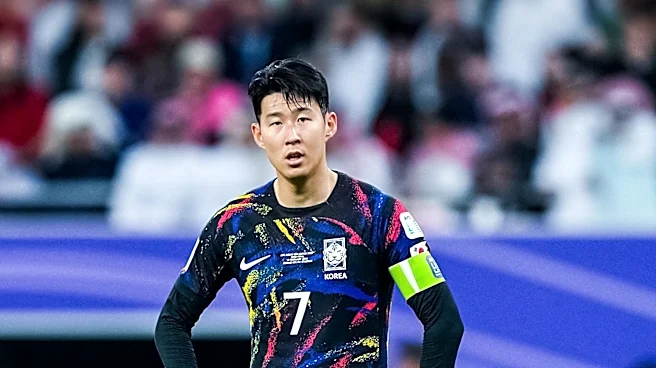
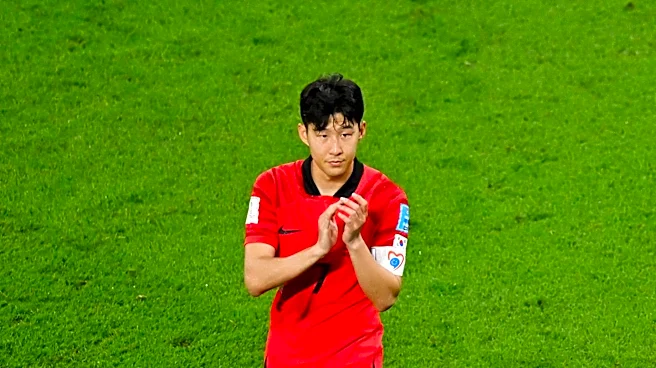
South Korean national football team captain Son Heung-min and four teammates—Lee Jae-sung, Hwang Hee-chan, Hwang In-beom, and Kim Min-jae—have issued a joint statement confirming they have resolved internal divisions within the squad. The players apologized
to fans for the concern caused by recent media reports detailing a rift within the team. Speculation about discord intensified after South Korea's early exit from the 2026 World Cup and subsequent reports of tensions, particularly between older players like Son and Lee (born in 1992) and younger players including Hwang Hee-chan, Hwang In-beom, and Kim Min-jae (born in 1996). Reports had suggested disagreements over captaincy and even threats of retirement from international play by some younger players. The joint statement, released through the Korea Football Association during a training camp in Doha, explicitly denied claims that players had threatened to quit the national team to push for demands. The players stated that their discussions stemmed from a shared desire for the national team to improve, rather than personal disagreements.
Why It's Important?
The resolution of internal conflicts within the South Korean national football team is crucial for its future performance and public perception. Persistent reports of discord could have severely undermined team morale, cohesion, and the effectiveness of coaching strategies, potentially impacting their performance in upcoming international competitions like the Asian Cup. For fans, the public apology and unified front aim to restore confidence and enthusiasm, which had been dampened by the team's disappointing World Cup exit and subsequent controversies. A unified team is better positioned to attract and retain top talent, foster a positive team environment, and ultimately achieve better results on the field. The incident also highlights the pressures and scrutiny faced by national sports teams, where internal dynamics can significantly influence national pride and sporting success.
What's Next?
Following this public reconciliation, the South Korean national team is expected to focus on upcoming friendly matches against Saudi Arabia and Qatar. Interim head coach Robert Moreno, who reportedly met with the players involved before naming them to the squad, will now aim to build a cohesive unit. The players have expressed their commitment to respecting each other's roles and responsibilities, trusting one another, and setting a positive example for future generations of Korean footballers. This unified stance is intended to allow the team to move past the recent controversies and concentrate on their collective goal of improving performance and winning matches. The team's immediate future will involve demonstrating this renewed unity and focus on the field in their upcoming fixtures.
Beyond the Headlines
The reported internal divisions within the South Korean national football team, and their subsequent resolution, offer insights into the complex dynamics of high-performance sports teams. Beyond the immediate impact on match results, such rifts can reflect broader generational differences, leadership challenges, and the intense pressure associated with representing a nation. The public nature of the dispute and its resolution underscore the significant role of media and public opinion in national sports. The players' decision to issue a joint statement and apologize suggests an understanding of their responsibility not just as athletes, but as public figures. This event could serve as a case study in sports psychology and team management, emphasizing the importance of open communication and conflict resolution for sustained success and maintaining public trust in national sporting institutions.