






What's Happening?
The 10-year Treasury yield has climbed to 4.7%, marking its highest level since January 2025. This increase is attributed to rising oil prices, which have reached $100 per barrel due to escalating conflicts in the Middle East. The 30-year yield also rose
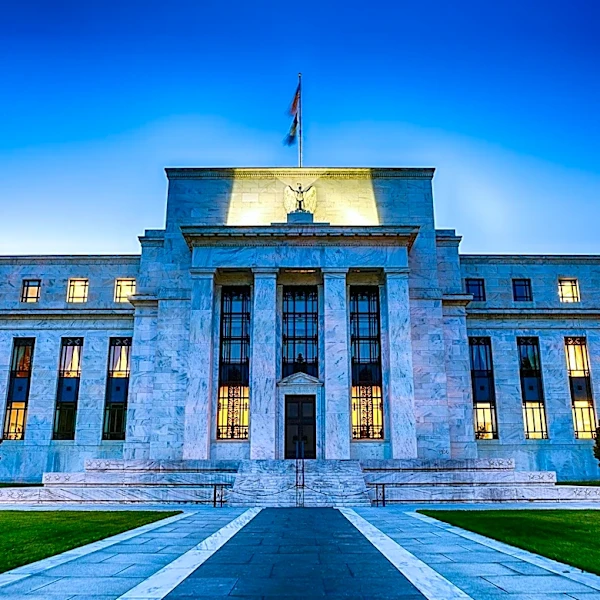
to 5.19%, its highest since May, maintaining a stretch above 5% not seen since 2007. These developments have raised concerns about inflation and mounting debt, as higher energy costs could impact consumer prices and slow progress toward the Federal Reserve's 2% inflation target. Despite these challenges, the stock market remains resilient, buoyed by earnings growth and low volatility.
Why It's Important?
The rise in Treasury yields is significant as it influences mortgage and loan rates, impacting consumer borrowing costs. The increase in oil prices could reignite inflation, potentially prompting the Federal Reserve to reconsider its current stance on interest rates. This situation poses a challenge for economic stakeholders, as higher borrowing costs could dampen consumer spending and investment. Additionally, the geopolitical tensions contributing to rising oil prices add uncertainty to the global economic outlook, affecting investor confidence and market stability.
What's Next?
Investors and policymakers will closely monitor economic data for signs of inflationary pressures and potential shifts in monetary policy. The Federal Reserve's response to these developments will be critical, as any indication of a rate hike could further influence market dynamics. Stakeholders will also watch for geopolitical developments in the Middle East, as continued conflict could exacerbate oil price volatility and inflation concerns.