



What's Happening?
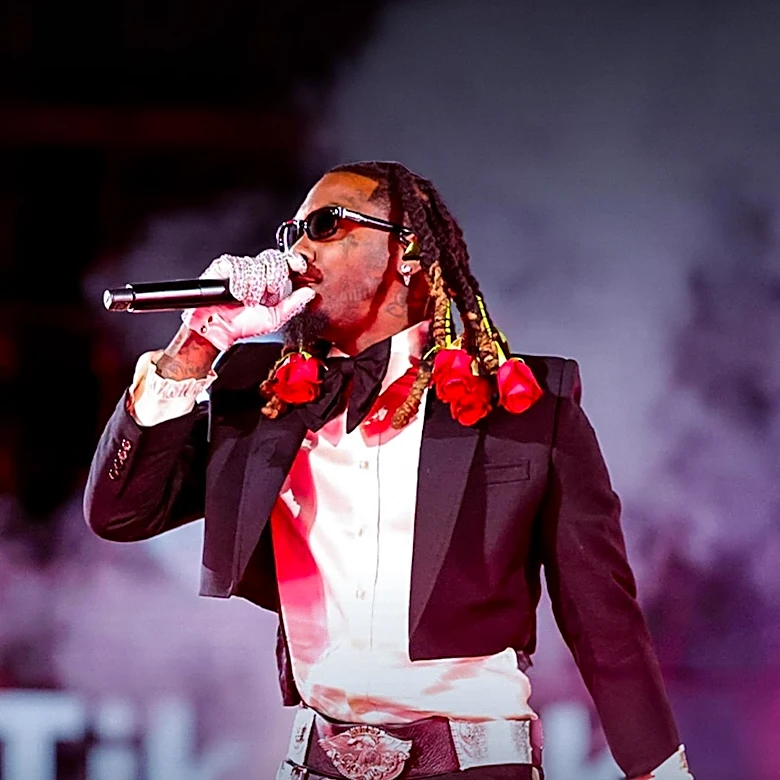
Marc Brownstein, the bassist for the acclaimed electronic jam band The Disco Biscuits, has announced a series of free and heavily discounted DJ shows under his DJ Brownie alias. This decision comes directly after the cancellation of his previously scheduled
tour dates with former STS9 bassist David Murphy. The original tour was abruptly canceled due to unexpectedly low advanced ticket sales, a situation Brownstein candidly attributed to a confluence of factors including high prices, persistent inflation, exorbitant ticket fees, and an increasingly overcrowded market, which he termed 'Blue Dot Fever.' Despite this significant setback, Brownstein quickly pivoted, expressing a strong commitment to his dedicated fanbase and adhering to the philosophy that 'The Show. Must. Go. On.' He has successfully rebooked almost all of the canceled shows, transforming them into 'Fan Appreciation Week' events where entry will be entirely free for attendees. He explicitly encourages those attending to support the venues by purchasing food and drinks, and also mentioned the possibility of putting out a tip jar to help offset costs. The run of these newly announced free shows is set to kick off on August 15 in Albany, NY, followed by subsequent dates in Buffalo, NY, Portland, ME, Brattleboro, VT, and a single discounted show in Asbury Park, NJ, demonstrating his resolve to connect with his audience.
Why It's Important?
Marc Brownstein's decision to offer free DJ sets after a tour cancellation is highly significant for the music industry, particularly for artists navigating the current economic climate and evolving fan engagement models. His candid explanation of 'Blue Dot Fever'—attributing low sales to inflation, high ticket prices, and an oversaturated market—provides a rare, direct, and transparent insight into the profound challenges faced by touring musicians and venues in the contemporary landscape. This bold move highlights a growing tension between the escalating costs of live entertainment and audience affordability, a critical issue for many concertgoers. By making these shows free, Brownstein is consciously prioritizing fan access and community building over immediate revenue generation, a strategic approach that could foster long-term loyalty and significant goodwill among his fanbase. It also serves as a direct challenge to the conventional ticketing model, especially regarding the often-criticized exorbitant fees that add substantial costs to concert tickets. His personal reflection on the early days of The Disco Biscuits, playing to small crowds, underscores a deep-seated belief in the importance of showing up for the fans, regardless of initial turnout, a sentiment that resonates strongly within the jam band community and beyond.
What's Next?
Marc Brownstein's 'Fan Appreciation Week' of free DJ Brownie shows will immediately commence, starting on August 15 in Albany, NY, and continuing through the announced dates across the Northeast. The success and reception of these free events will be closely watched by both Brownstein and other artists, as it could potentially provide a viable model for engaging fans in a challenging economic environment. Brownstein explicitly hopes that by removing financial barriers to entry, attendance will be strong, thereby demonstrating to venues that fans are willing to show up when costs are not prohibitive. He will rely on venue support through food and drink sales, and potentially tip jars and merchandise sales, to make these events financially viable for all parties involved. The outcome of this innovative experiment could significantly influence future touring strategies for artists, particularly those in the independent and jam band scenes, potentially leading to more flexible pricing models or alternative revenue streams that prioritize fan accessibility. This initiative could spark broader conversations within the music industry about sustainable touring practices and the critical importance of fan accessibility in a rapidly changing market.
Beyond the Headlines
Marc Brownstein's 'Blue Dot Fever' explanation and subsequent decision to offer free shows delve into deeper economic and ethical considerations within the live music industry. His transparency about the financial struggles of touring, even for established artists, sheds critical light on the precarious nature of the business, which has been exacerbated by persistent inflation and market saturation. This bold move challenges the prevailing commercial model that often places significant financial burdens on fans through high ticket prices and various fees. By consciously prioritizing the fan experience and community connection over immediate profit, Brownstein is making a powerful statement about the intrinsic value of music and the fundamental artist-fan relationship. It raises profound questions about the long-term sustainability of current touring practices and whether a return to more accessible, community-focused events might be a necessary and beneficial evolution for the industry. This initiative could inspire a widespread re-evaluation of how artists and venues can adapt to economic pressures while simultaneously maintaining a vibrant, accessible, and thriving live music culture, emphasizing loyalty, shared experience, and artistic integrity over pure transactional value, fostering a more equitable ecosystem for all.