


What's Happening?
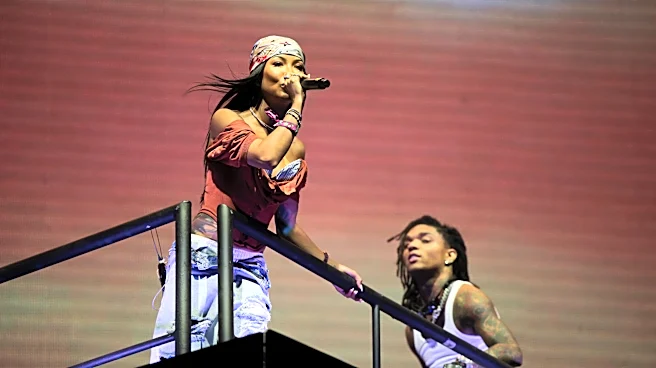
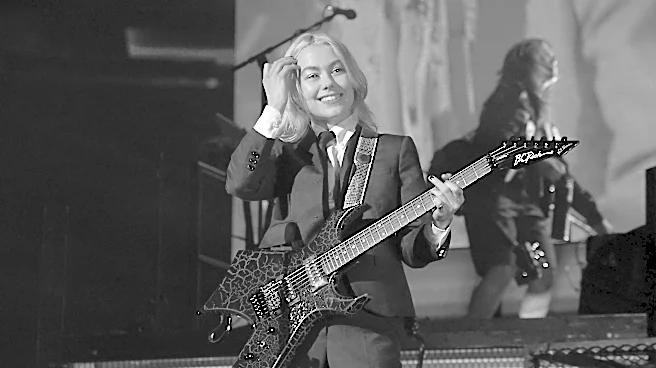
Phoebe Bridgers has implemented a strict no-phone policy at her recent arena concerts, including her 'Lost Tour' in the U.S. and upcoming shows in the UK and Europe. This policy prohibits fans from using their phones for filming or photography during
performances. As a direct result, fans have begun creating and sharing artwork to capture their concert experiences, with Bridgers herself highlighting some of these artistic interpretations. Olivia MacDonald from Massachusetts, for instance, drew standout moments from a Boston show, focusing on the 'feeling' of the performance rather than a literal snapshot. Anna Meyer from New York similarly created a time-lapse drawing of Bridgers playing the piano. This artistic response is seen by fans as a more cathartic and engaging way to remember the events, fostering deeper connections and conversations among the audience.
Why It's Important?
This no-phone policy by Phoebe Bridgers represents a significant shift in the live music experience, challenging the prevalent culture of immediate digital documentation. By removing the distraction of phones, Bridgers aims to encourage a more present and immersive experience for concert-goers. This initiative could influence other artists and venues to reconsider their policies on phone usage, potentially leading to a broader trend of 'unplugged' events. For fans, it fosters a unique form of engagement, moving beyond passive consumption to active, creative interpretation. The artwork generated not only serves as personal mementos but also as a collective expression of the concert's emotional impact, sparking community interaction and shared artistic endeavors. This approach also subtly critiques the reliance on AI and digital tools for visual creation, emphasizing the value of human-made art.
What's Next?
Phoebe Bridgers is set to continue her 'Lost Tour' in the UK and Europe, where the no-phone policy will remain in effect. This will likely lead to a continued outpouring of fan-created artwork from these international dates, further solidifying the trend. The success and fan reception of this policy could prompt other artists to experiment with similar restrictions, potentially leading to a wider adoption of phone-free zones at concerts. Additionally, Bridgers has partnered with PLUS1 for her European tour, dedicating a portion of ticket sales to organizations supporting those affected by sexual assault and violence. This philanthropic element, combined with the unique concert experience, could set a new standard for artist engagement with both their audience and social causes.
Beyond the Headlines
The no-phone policy at Phoebe Bridgers' concerts touches upon deeper societal implications regarding technology, presence, and artistic expression. In an era dominated by instant gratification and digital sharing, this policy encourages a return to mindful engagement and personal reflection. It highlights the distinction between capturing a 'moment in time' with a camera versus capturing a 'feeling' through art, suggesting that the latter can foster more profound and lasting memories. This movement also subtly challenges the pervasive influence of AI in creative fields, advocating for the unique value of human creativity and interpretation. The communal aspect of fans sharing their artwork creates a unique subculture, fostering a sense of belonging and shared experience that transcends the typical concert-goer dynamic.