





What's Happening?
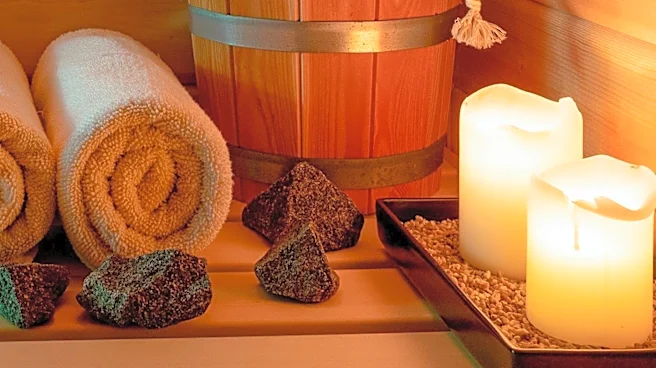
Infrared saunas are gaining popularity in gym and recovery environments due to their ability to operate at lower ambient air temperatures compared to traditional saunas, making them potentially more tolerable after intense workouts. While some studies
suggest benefits like reduced subjective muscle soreness and improved recovery of certain performance measures after resistance exercise, the overall scientific evidence for post-exercise heat remains mixed. A 2023 study involving 16 male basketball players found that 20 minutes in an infrared sauna at approximately 43 ± 5°C led to less severe muscle soreness and better perceived recovery 14 hours later, along with a smaller fall in countermovement-jump performance. However, a 2015 study on physically active men showed no significant recovery differences after strength training with far-infrared sauna use, though one jumping-performance measure was better after maximal endurance exercise. Researchers emphasize that while infrared saunas may help with perceived soreness and relaxation, they should not be marketed as a shortcut to faster muscle repair, which fundamentally relies on sleep, nutrition, hydration, and rest.
Why It's Important?
The growing interest in infrared saunas for muscle recovery highlights a significant trend in the fitness and wellness industries towards optimizing post-exercise routines. For athletes and regular gym-goers, any tool that can genuinely aid recovery is valuable, potentially leading to more consistent training and improved performance. However, the mixed scientific evidence underscores the importance of critical evaluation of health claims. Over-reliance on unproven methods could divert attention and resources from fundamental recovery practices. The distinction between feeling less sore and actual accelerated muscle tissue repair is crucial for consumers and professionals alike, influencing product development, marketing strategies, and personal recovery protocols. This also impacts how gyms and wellness centers invest in and promote recovery technologies.
What's Next?
Further rigorous and larger-scale studies are needed to definitively establish the efficacy of infrared saunas for muscle recovery across diverse populations and exercise types. As research progresses, clearer guidelines for optimal usage, including temperature, duration, and frequency, may emerge. The fitness industry will likely continue to integrate infrared saunas, but with a greater emphasis on evidence-based recommendations. Consumers can expect more nuanced marketing that differentiates between subjective comfort and scientifically proven physiological benefits. Hybrid saunas, offering both infrared and traditional heating styles, may also become more prevalent, providing flexibility for users to choose based on their preferences and evolving scientific understanding.
Beyond the Headlines
The debate surrounding infrared saunas for muscle recovery reflects a broader challenge in the wellness industry: balancing anecdotal benefits and perceived comfort with robust scientific evidence. This situation encourages consumers to be discerning and to prioritize foundational recovery elements like nutrition, sleep, and proper training load. It also prompts a discussion about the ethics of marketing wellness products based on preliminary or mixed research findings. The emphasis on 'feeling less sore' versus 'faster muscle repair' highlights the psychological component of recovery, where comfort and relaxation play a significant role in an individual's readiness to train again, even if the underlying biological repair isn't accelerated. This underscores the holistic nature of recovery, encompassing both physical and mental well-being.