



What's Happening?
Seven Equity Group, a New York investment firm specializing in repositioning distressed retail properties, has reportedly been selected to purchase the vacant San Francisco Centre Mall. This acquisition follows a second auction for the property, which
drew bids from various parties. The mall, previously owned and operated by Unibail-Rodamco-Westfield and Brookfield Properties, was foreclosed upon by bondholders after the former owners defaulted on a $558 million mortgage during the pandemic. The property was initially auctioned to a local partnership of Presidio Bay and Prado Group in March, but that deal fell through due to an impasse in negotiations with bondholders and the San Francisco Unified School District. The school district leases approximately 75,000 square feet of land beneath the property, an arrangement that generates low seven-figures in recurring revenue for the city and was recently extended from 2043 to 2082. Seven Equity Group, led by Ray Falack, focuses on assets valued between $50 million and $150 million and has recently acquired other San Francisco properties.
Why It's Important?
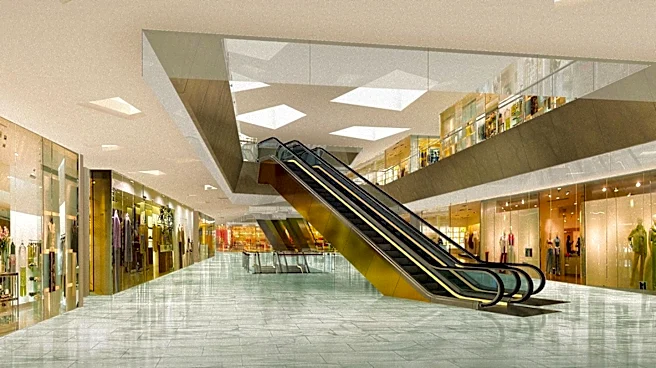
The acquisition of the San Francisco Centre Mall by Seven Equity Group is a significant development for downtown San Francisco, which has experienced a hollowing out during the pandemic. The mall, connected to BART and situated near Union Square, has been described by city officials and neighbors as a 'black hole' for the area. Its revival is seen as a pivotal step in revitalizing one of the city's most important commercial stretches. The successful redevelopment of this major retail space could attract new businesses, increase foot traffic, and contribute to the economic recovery and vibrancy of downtown San Francisco. The previous failure to close a deal highlighted the complexities involved, including negotiations with the San Francisco Unified School District regarding the land lease. A successful transformation could serve as a model for other distressed urban retail properties across the U.S., demonstrating how strategic investment can breathe new life into struggling commercial centers.
What's Next?
Seven Equity Group will now proceed to close the deal with the current owners, a collection of bondholders. The vacant mall is reportedly valued at around $130 million, and the buyer will need to finance this amount in addition to hundreds of millions more for redevelopment costs. City officials and local stakeholders are looking for a strong vision for a mixed-use development that is active, vibrant, and serves as a regional destination, aligning with the city's goal for a 24/7 downtown. The firm's expertise in repositioning distressed retail suggests a potential transformation of the property into a dynamic space that could include various uses beyond traditional retail. The success of this project will likely influence future investment and development strategies for similar large-scale urban properties in San Francisco and other major U.S. cities facing similar challenges.
Beyond the Headlines
The sale of the San Francisco Centre Mall underscores the ongoing challenges and opportunities within the U.S. retail real estate market, particularly in urban centers impacted by shifting consumer behaviors and the lingering effects of the pandemic. The emphasis on a 'mixed-use development' reflects a broader trend in urban planning to create more resilient and diverse commercial spaces that integrate retail, residential, office, and entertainment components. This approach aims to mitigate the risks associated with over-reliance on single-use properties and foster more dynamic, community-oriented environments. The involvement of the San Francisco Unified School District as a significant landowner also highlights the intricate web of public and private interests that often shape major urban development projects, where long-term lease agreements can play a crucial role in the feasibility and structure of such deals. The outcome of this redevelopment could set a precedent for how cities adapt their commercial landscapes to post-pandemic realities.