






What's Happening?
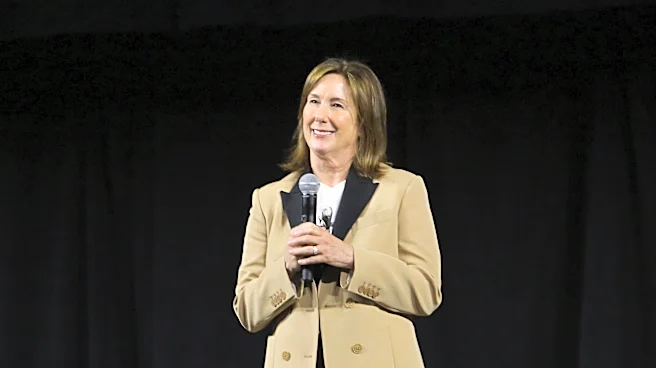
Former Lucasfilm president Kathleen Kennedy recently discussed her 14-year tenure leading the studio at Bloomberg’s Screentime conference. Kennedy, who stepped down earlier this year, acknowledged the intense criticism she faced from Star Wars fans regarding
many of her decisions. She expressed some relief at relinquishing the demanding position, recognizing the immense challenge of overseeing George Lucas's legacy. Kennedy stated that not every project in the film industry can be a flawless success, emphasizing her approach of learning from both successes and failures to inform future productions. She remains convinced that Disney's acquisition of Lucasfilm was the correct decision, aligning with George Lucas's own wishes and viewing Star Wars as an ideal fit for Disney. Addressing fan reactions, Kennedy highlighted the difficulty of balancing the expectations for a 50-year-old franchise with the need to create new and original content. She stressed the importance of listening to fans without allowing it to become a 'referendum,' while also supporting filmmakers with clear creative visions.
Why It's Important?
Kathleen Kennedy's reflections offer significant insight into the complexities of managing a beloved, long-standing franchise like Star Wars under a major corporate entity like Disney. Her comments underscore the delicate balance between fan expectations, creative innovation, and commercial viability in modern Hollywood. The intense fan backlash she experienced highlights a growing trend where established franchises face heightened scrutiny from dedicated fanbases, potentially influencing creative decisions and studio leadership. Her emphasis on supporting filmmakers' creative visions while acknowledging fan input speaks to the ongoing debate within the entertainment industry about artistic integrity versus audience demand. This dynamic impacts how studios approach sequels, reboots, and new entries in established universes, affecting production strategies, marketing, and ultimately, box office performance and streaming viewership. The discussion also touches upon the broader implications of corporate acquisitions on creative output and brand management within the entertainment sector.
What's Next?
While Kennedy has stepped down, her reflections may influence future leadership at Lucasfilm and other major studios managing legacy franchises. The ongoing challenge of balancing fan expectations with creative innovation will persist, likely shaping upcoming Star Wars projects and other major cinematic universes. Studios will continue to navigate how to introduce new narratives and characters while respecting established lore and satisfying existing fanbases. This could lead to more nuanced approaches in creative development, potentially involving greater transparency or different engagement strategies with fan communities. The industry will likely observe how Lucasfilm's post-Kennedy era evolves, particularly in its approach to storytelling and fan relations, as it seeks to maintain the franchise's cultural relevance and commercial success. Future projects will serve as a test of how well the studio can integrate new visions while honoring the past, a challenge Kennedy herself highlighted.
Beyond the Headlines
The discourse surrounding Kathleen Kennedy's tenure at Lucasfilm extends beyond mere film production, touching upon broader cultural phenomena such as the power of fan communities in the digital age and the evolving relationship between creators and consumers. The 'lightning rod' effect she experienced reflects a societal shift where audiences, empowered by social media, can exert significant pressure on creative industries. This raises ethical questions about the extent to which creative freedom should be influenced by audience demands and the potential for online discourse to become overly critical or even toxic. Furthermore, Kennedy's experience highlights the immense pressure on executives tasked with preserving and expanding cultural touchstones, often becoming symbols of perceived changes or missteps. This situation underscores the complex interplay of business, art, and public sentiment in shaping contemporary entertainment landscapes, prompting deeper consideration of leadership roles in managing cultural heritage within commercial enterprises.