
What's Happening?
A shortcut leading to Gillette Stadium in Foxborough, Massachusetts, has been reopened to the public after Rodman Ford, a local dealership, had blocked access. The dealership initially used a tow truck
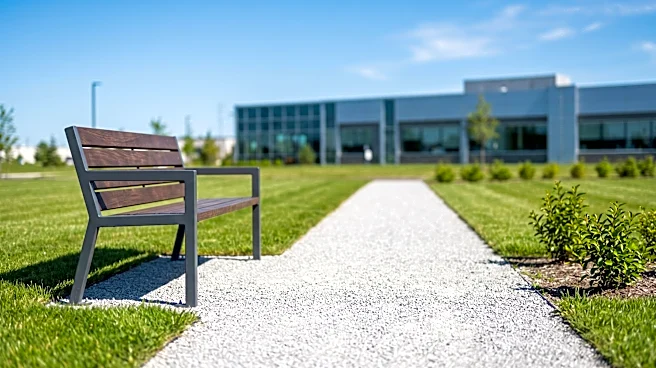
to prevent pedestrians from using the path, which is an access road for moving hundreds of cars to their back lot. Emily Zimmerman, Rodman Ford's Operations Manager, acknowledged that the communication regarding the closure was poor and that the action could have appeared "hostile or petty." The dealership is now working to improve the path by clearing debris, adding trash cans and benches, and plans to rename it in honor of Don Rodman, the company's founder who passed away in 2019. They are also engaging with residents who rent out parking lots to stadium-goers, asking them to discourage fans from using the path before the stadium opens.
Why It's Important?
This incident highlights the ongoing tension between private property rights and public access, particularly in areas surrounding major event venues like Gillette Stadium. The initial closure caused frustration among visitors, underscoring the importance of clear communication and community engagement from businesses. For Rodman Ford, the swift reversal and commitment to improving the path demonstrate an understanding of public relations and community goodwill, which are crucial for local businesses. The situation also sheds light on the informal infrastructure that often develops around large venues, where shortcuts and alternative routes become ingrained in public behavior. The dealership's efforts to formalize and enhance the path, while also seeking cooperation from local residents, represent a proactive approach to managing these complex interactions.
What's Next?
Rodman Ford plans to proceed with improvements to the shortcut, including clearing debris, installing trash cans, and adding benches. The path will also be renamed in honor of Don Rodman. The dealership will continue to communicate with residents who rent out parking spaces to stadium visitors, encouraging them to advise fans against using the path before the stadium officially opens. This collaborative approach aims to manage pedestrian traffic more effectively and prevent future conflicts. The success of these measures will depend on public cooperation and the effectiveness of the dealership's ongoing community engagement efforts. The situation could serve as a model for other businesses located near high-traffic public venues.
Beyond the Headlines
The incident at Gillette Stadium reveals deeper implications regarding urban planning, pedestrian access, and corporate social responsibility. In areas with high foot traffic, informal pathways often emerge as practical routes for the public, even if they traverse private land. When these routes are suddenly blocked, it can lead to significant public inconvenience and resentment. Rodman Ford's response, moving from an "insensitive" block to community engagement and path improvement, illustrates a shift towards recognizing and accommodating public needs while protecting business operations. This case could influence how other businesses and event venues manage pedestrian flow and access, emphasizing the value of proactive planning and transparent communication to foster positive community relations and avoid public backlash.