




What's Happening?
The Ministry of Tourism and Wildlife in Kenya, in collaboration with the Centum Foundation, has initiated a strategic partnership to raise Sh130 million (approximately $1 million USD) over five years. This funding is earmarked for transforming Mount Kenya into
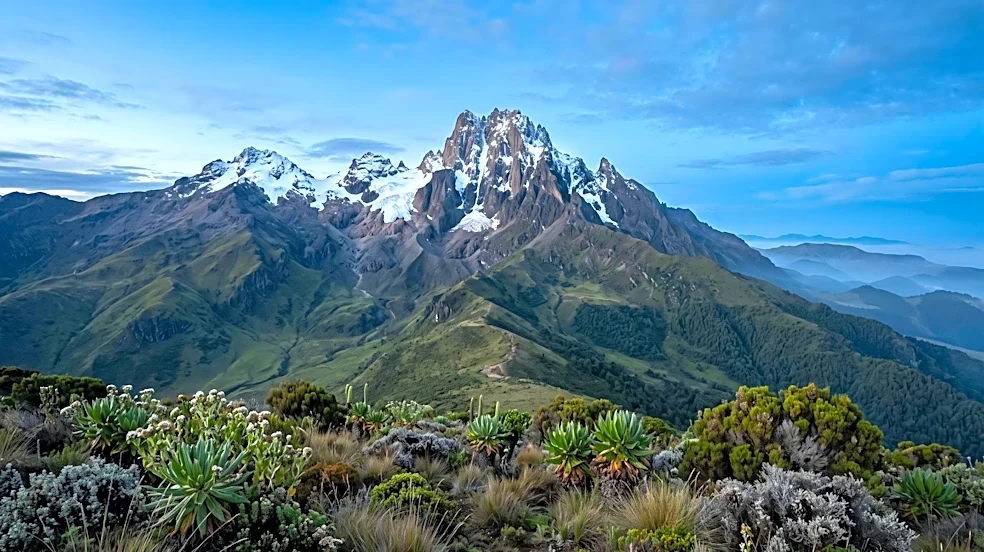
a globally competitive adventure tourism destination. The agreement, formalized by Tourism and Wildlife Cabinet Secretary Rebecca Miano and the Centum Foundation, also involves the Kenya Wildlife Service (KWS) and the Kenya Tourism Board (KTB). The initiative, known as the Friends of Mount Kenya Initiative, aims to upgrade tourism infrastructure, enhance safety and rescue capabilities, improve visitor facilities, support conservation efforts, and create economic opportunities for local communities. Initial interventions will focus on practical aspects such as mountain connectivity, trail marking, sanitation, emergency response, visitor information, and the development of guides and porters, with larger infrastructure investments planned for later stages. Mount Kenya is Africa's second-highest mountain and a UNESCO World Heritage Site, supporting over seven million people through its water catchment.
Why It's Important?
This initiative is crucial for Kenya's tourism sector as it seeks to diversify its offerings beyond traditional wildlife safaris, which have historically dominated the industry. By positioning Mount Kenya as a premier adventure tourism destination, the country aims to attract a higher-spending demographic of visitors, similar to those drawn to peaks in Tanzania, Nepal, and South America. The economic projections are significant: raising annual visitation to 100,000 could generate between Sh4.4 billion and Sh6.6 billion in annual tourism expenditure, create 5,300 to 7,800 direct and indirect jobs, and produce Sh660 million to Sh1.05 billion in government revenue. Additionally, small and medium-sized enterprises could see revenues between Sh890 million and Sh1.55 billion annually. Beyond economic benefits, the initiative emphasizes the conservation of Mount Kenya's critical water catchment, which is vital for the water supply, agriculture, and energy generation for over seven million people, underscoring its importance for national economic security and environmental stewardship.
What's Next?
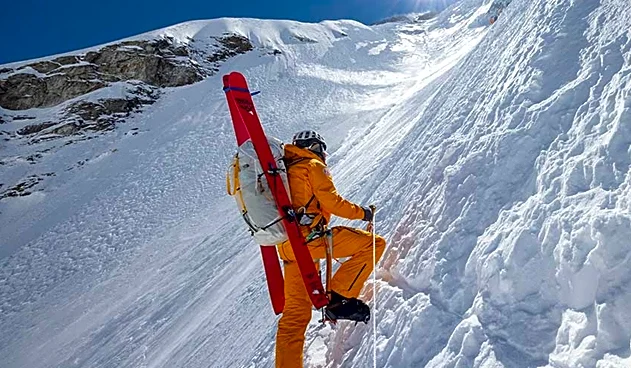
The Friends of Mount Kenya Initiative will proceed with its five-year plan, starting with practical interventions in mountain connectivity, trail marking, sanitation, emergency response, visitor information, and guide and porter development. The Centum Foundation will lead resource mobilization, program coordination, governance, and impact reporting, while the Ministry of Tourism and Wildlife will provide strategic policy leadership. KWS will support the identification and implementation of priority interventions within its conservation mandate, and KTB will focus on destination positioning and international tourism promotion. An annual Friends of Mount Kenya Summit is planned to attract investment and showcase progress. The initiative will also leverage Kenyan mountaineer Martin Mumo's planned 2027 Mount Everest expedition, for which he serves as a program ambassador, to raise global awareness of Mount Kenya and mobilize strategic partnerships and investment. The partners caution that the projected economic outcomes are potential long-term results, contingent on sustained investment, market growth, and further validation.
Beyond the Headlines
The partnership between the Kenyan government and the Centum Foundation highlights a growing trend in developing nations to leverage natural assets for sustainable economic growth while simultaneously addressing conservation needs. This initiative goes beyond mere tourism promotion; it integrates environmental protection, community empowerment, and infrastructure development into a comprehensive strategy. The focus on adventure tourism, a rapidly expanding segment of the global travel industry, indicates a strategic shift towards attracting visitors who often seek more immersive and physically engaging experiences, potentially leading to longer stays and higher spending. The involvement of a local mountaineer like Martin Mumo as an ambassador also adds a cultural and inspirational dimension, connecting national aspirations with global achievements. This model could serve as a blueprint for other regions looking to balance economic development with the preservation of natural heritage, fostering a sense of national pride and international recognition for their unique landscapes.