
What's Happening?
Singapore-based Bitcoin mining company Poolin has filed for Chapter 11 bankruptcy protection in New Jersey, along with its U.S. affiliates Lonestar Dream Inc. and Lonestar Taproot LLC. The filing, dated
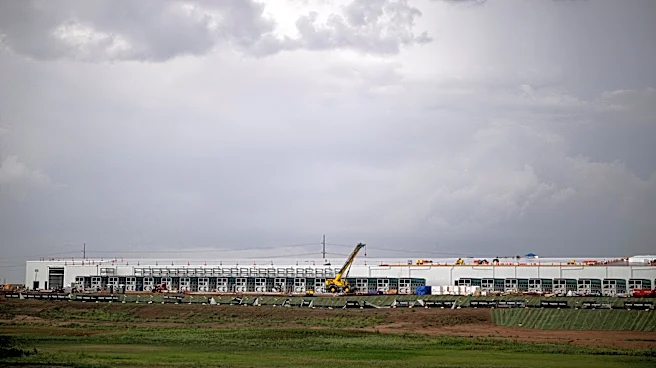
July 22, 2026, comes as the company seeks court approval to sell its Texas mining properties for $52 million. Poolin's financial troubles began in 2022 when it froze customer withdrawals, issuing IOU tokens to thousands of wallet users. The company has listed liabilities of approximately $173.1 million, with $163.7 million tied to unsecured IOUs. The bankruptcy case focuses on selling Texas assets rather than reviving mining operations. Poolin has entered into asset purchase agreements with Thor CALAP LLC for a $52 million stalking-horse bid, which includes $15 million for the Pyote property and $37 million for Tarbush power rights and equipment. The sale process involved contacting over 335 potential buyers, resulting in 28 confidentiality agreements and several expressions of interest.
Why It's Important?
The bankruptcy of Poolin highlights the volatility and financial risks associated with the cryptocurrency mining industry. Once a major player, Poolin's decline underscores the challenges faced by mining companies, particularly those that relocated operations following China's 2021 mining ban. The company's financial woes, exacerbated by the 2022 market crash, have left thousands of creditors in limbo. The outcome of the bankruptcy proceedings and asset sale will significantly impact these creditors, as well as the broader cryptocurrency market. The case also reflects the ongoing struggles of the industry to secure stable operations amid fluctuating market conditions and regulatory changes.
What's Next?
The court-supervised auction of Poolin's Texas assets will determine the recovery for creditors. The process will involve competing bids, sale expenses, and administrative claims, with the final distribution dependent on court approval of the liquidation plan. The outcome will be closely watched by stakeholders in the cryptocurrency industry, as it may set precedents for future bankruptcy cases involving digital asset companies. Additionally, the sale could attract interest from other cryptocurrency miners and tech companies looking to expand their operations in the U.S.