

What's Happening?
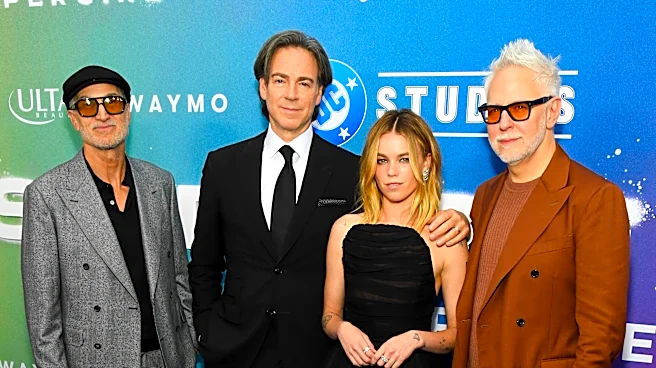
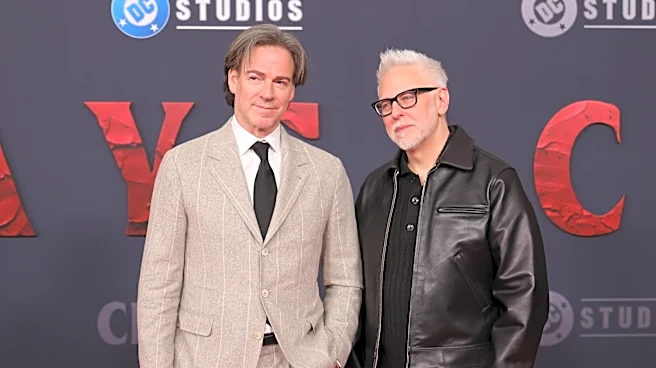
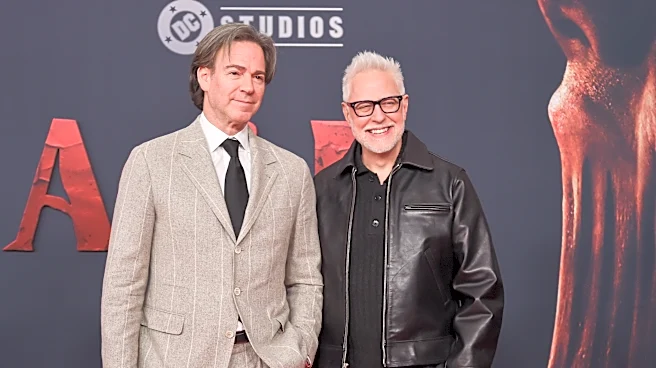
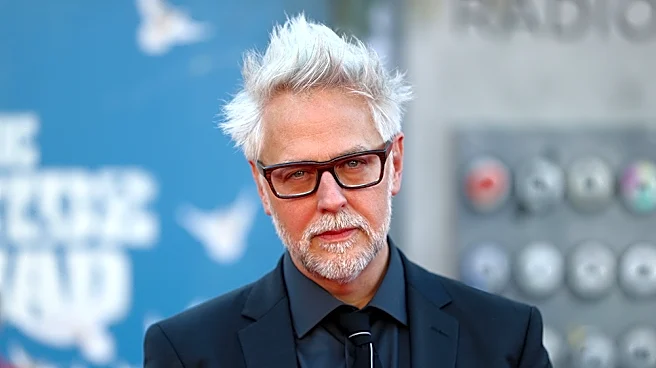
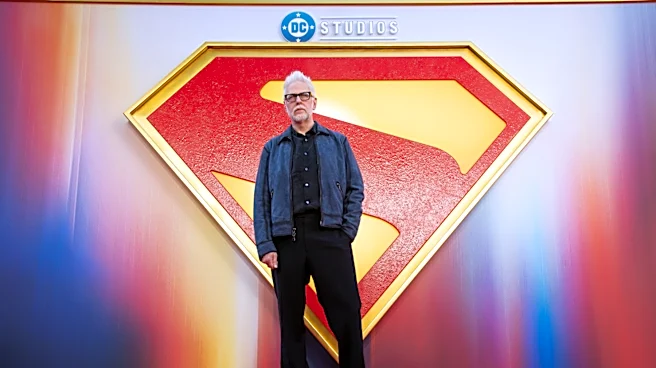
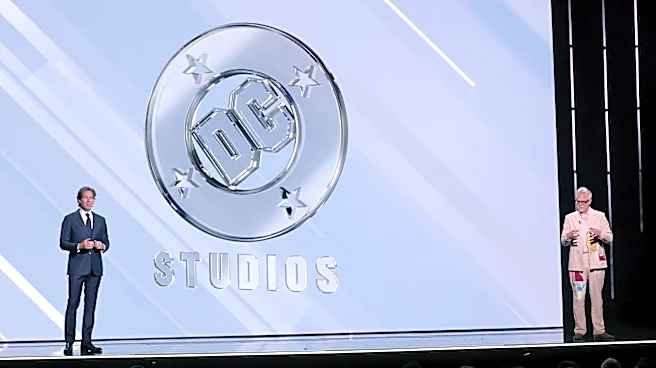
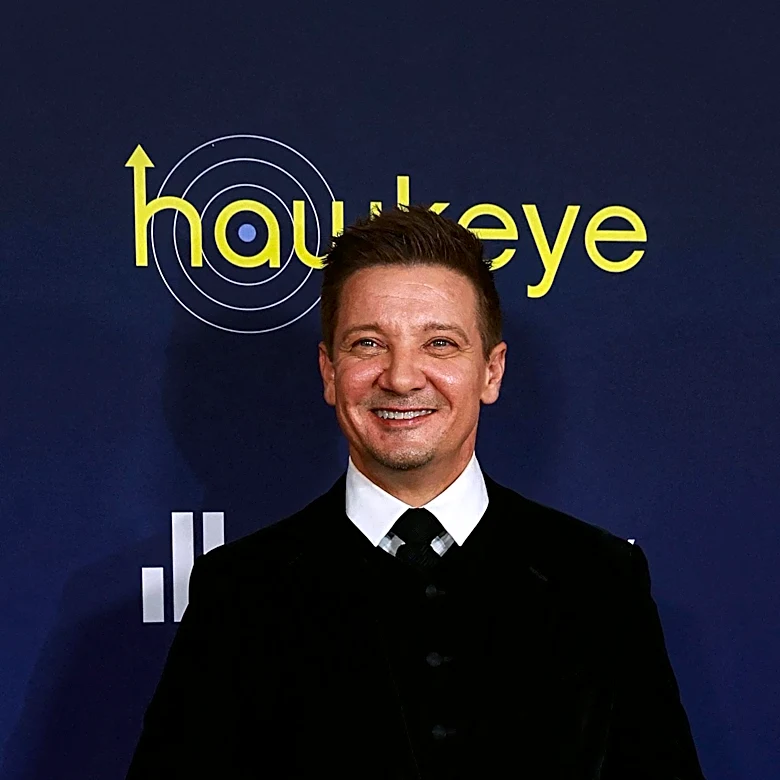
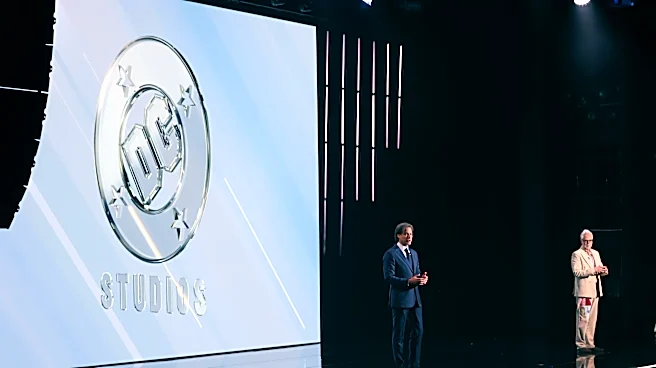
James Gunn and Peter Safran have stepped down from their roles as co-CEOs of DC Studios following Skydance's acquisition of Warner Bros. Discovery. Jeremy Latcham, a veteran producer from Marvel Studios, has been appointed as the new President and Chief
Creative Officer of DC Studios, effective December 1, 2026. Gunn and Safran had been in their positions for four years, aiming to unify DC's creative vision and compete with the Marvel Cinematic Universe. During their tenure, they oversaw hits like 'Superman' but also faced challenges with films such as 'Supergirl' and 'Clayface.' Gunn's final project, the 'Superman' sequel 'Man of Tomorrow,' is slated for release next year. Latcham will now lead DC's film, television, and animation slate, reporting to Dana Goldberg and Josh Greenstein, Co-Chairs of Skydance Motion Picture Group.
Why It's Important?
This leadership change at DC Studios marks another significant shift in the creative direction of one of Hollywood's major superhero franchises. The departure of James Gunn and Peter Safran, who were brought in specifically to revitalize the DC brand, indicates ongoing challenges in establishing a consistent and successful cinematic universe. The appointment of Jeremy Latcham, known for his work on successful Marvel films like 'The Avengers' and 'Guardians of the Galaxy,' signals Skydance's intent to bring a proven track record of franchise building to DC. This move is crucial for DC Studios as it seeks to find a stable creative path and consistently deliver content that resonates with audiences, especially given the mixed success of previous DC films. The industry will be watching closely to see if Latcham can replicate his Marvel success and provide the much-needed stability and clear vision for DC's future.
What's Next?
Jeremy Latcham will assume his new role on December 1, 2026, and will be tasked with developing a new strategy for DC's film, television, and animation projects. His immediate challenge will be to either build upon the foundation laid by Gunn and Safran or steer the studio in a completely new direction. This transition will likely involve a re-evaluation of ongoing projects and the development of new content that aims to appeal to DC's passionate fanbase while also attracting broader audiences. The success of Latcham's leadership will be critical for DC Studios to establish itself as a formidable competitor in the superhero genre. Stakeholders, including fans, investors, and industry observers, will be anticipating his initial moves and strategic announcements regarding the future of the DC universe.
Beyond the Headlines
The frequent leadership changes at DC Studios highlight a persistent struggle within the entertainment industry to manage and expand established intellectual properties, particularly in the superhero genre. The challenge extends beyond creative vision to include navigating corporate mergers, evolving audience preferences, and the intense competition from other franchises. The appointment of a Marvel veteran like Latcham could be seen as an attempt to import a successful formula, but it also raises questions about originality and the unique identity of the DC universe. This situation underscores the immense pressure on studio executives to deliver consistent hits and build cohesive cinematic universes, often under intense scrutiny from both fans and financial markets. The long-term implications could influence how other studios approach their own franchise development and leadership structures.