





What's Happening?
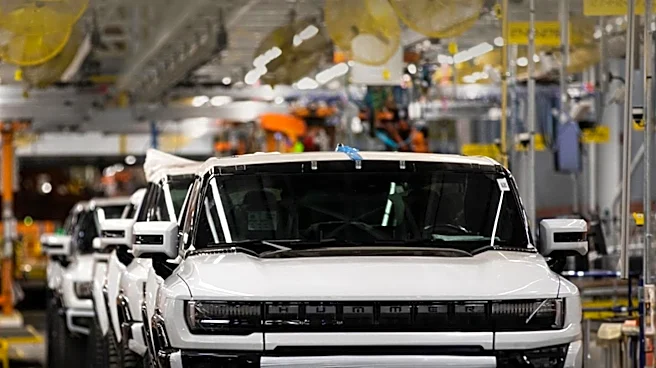
Dearborn, Michigan, stands as a prime example of an American town whose development was intrinsically linked to a major automotive manufacturer, the Ford Motor Company. Henry Ford began developing land around the Rouge River in the early 1900s, establishing
an industrial complex that integrated raw material processing with automobile manufacturing. This massive operation attracted thousands of workers, leading to the rapid growth of the town with new homes, roads, and businesses. The influx of immigrants and workers from America's South fostered a diverse community. Today, Dearborn maintains a strong Middle Eastern presence and heritage, reflecting the diverse workforce that contributed to its growth. The city's identity and economy remain deeply intertwined with the automotive industry, particularly Ford's operations.
Why It's Important?
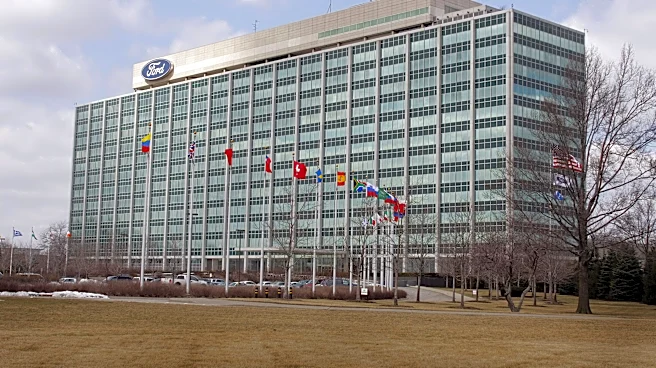
The story of Dearborn highlights the profound economic and social impact that a single major industry, like automotive manufacturing, can have on a community. Ford Motor Company not only provided jobs but also shaped the urban landscape, demographic makeup, and cultural fabric of Dearborn. This model of industrial-led town development was common in the early 20th century, creating centers of prosperity but also demonstrating the vulnerabilities of economies heavily reliant on a single employer. The continued presence of Ford in Dearborn, including its World Headquarters, signifies the enduring legacy of the automotive industry in Michigan and its ongoing contribution to local employment and economic activity. The diversity fostered by the influx of workers also showcases how industrial growth can lead to rich cultural tapestries within American cities.
What's Next?
Dearborn's future will likely continue to be influenced by the evolution of the automotive industry, particularly as Ford Motor Company navigates the transition to electric vehicles and new mobility solutions. The city will need to adapt to potential shifts in manufacturing processes, workforce demands, and economic diversification strategies to ensure continued prosperity. While the automotive industry remains a cornerstone, ongoing efforts to attract other businesses and industries could help strengthen Dearborn's economic resilience. The city's unique cultural heritage, shaped by its industrial past, will also continue to be a defining characteristic, influencing community development and local initiatives.
Beyond the Headlines
The narrative of Dearborn extends beyond mere economic dependency; it illustrates the complex interplay between industry, urbanization, and cultural identity. The town's growth around Ford's operations created a distinct social structure and a diverse community, demonstrating how industrial centers can become melting pots of different traditions and life experiences. This historical context offers valuable lessons for contemporary urban planning and economic development, particularly in regions seeking to revitalize or diversify their industrial bases. It also raises questions about the long-term sustainability of single-industry towns and the importance of fostering economic resilience and social cohesion in the face of industrial change. The enduring legacy of Ford in Dearborn is a testament to the transformative power of American manufacturing.