






What's Happening?
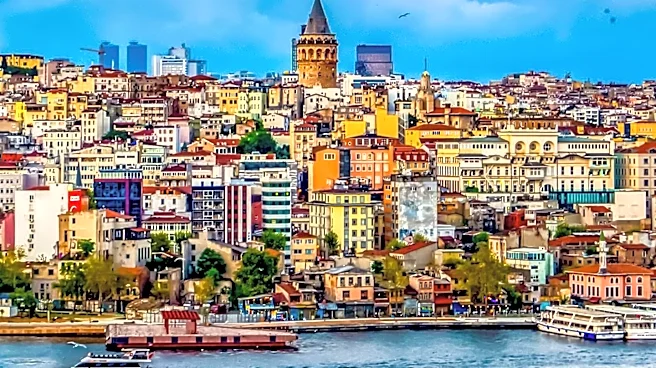
Istanbul, a city known for its waterways and diverse neighborhoods, provides a rich tapestry of experiences for visitors. Areas like Kuzguncuk on the Asian side exemplify this diversity, featuring a mosque, church, and synagogue in close proximity, alongside
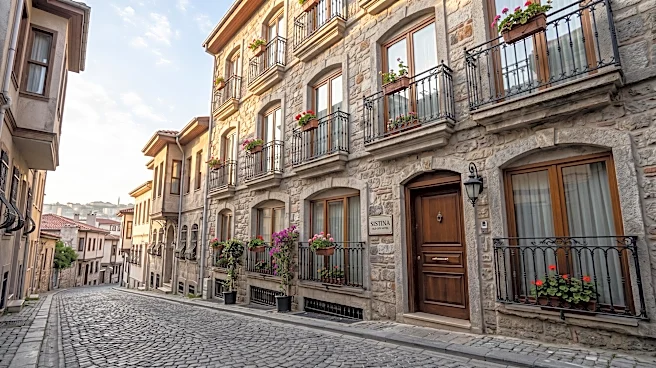
a community vegetable garden. Locals frequently recommend exploring the city via its extensive ferry system, which offers scenic and affordable rides across the Bosphorus. An Istanbulkart can be used for convenient and economical travel on these ferries, treating the Bosphorus as a primary thoroughfare. For accommodations, options range from budget-friendly choices like Kennedy Apart Hotel Kumkapı to highly-rated establishments such as Sistina Old City Hotel in the Fatih district. The city also offers various tours, including excursions to Cappadocia and free walking tours led by knowledgeable guides like Hakan, who provide insights into Istanbul's history and daily life. These tours often cover key historical sites such as the Hagia Sophia and the Blue Mosque, while also venturing into less-touristed local spots.
Why It's Important?
The emphasis on local experiences and public transportation, particularly ferries, highlights a sustainable and authentic approach to tourism in Istanbul. This strategy benefits local businesses and communities by encouraging visitors to explore beyond typical tourist traps, fostering a deeper cultural exchange. The coexistence of different religious sites in neighborhoods like Kuzguncuk underscores Istanbul's historical role as a melting pot of cultures and religions, offering a powerful message of interfaith harmony. For the tourism industry, promoting diverse accommodation options, from budget to luxury, broadens the city's appeal to a wider range of travelers. The availability of free walking tours, led by local experts, enhances the visitor experience by providing in-depth historical and cultural context, which can lead to higher satisfaction and positive word-of-mouth, ultimately boosting Istanbul's reputation as a premier travel destination.
What's Next?
Future developments in Istanbul's tourism sector are likely to continue focusing on enhancing authentic local experiences and sustainable travel. There may be an increased promotion of lesser-known neighborhoods and local markets to distribute tourist traffic more evenly across the city. Tour operators and local guides will probably expand their offerings to include more specialized tours, such as culinary explorations in areas like Kadıköy, which is renowned for its food scene. Efforts to integrate public transport, especially ferries, into comprehensive tourist itineraries could also be amplified, making it easier for visitors to navigate the city like locals. Additionally, as the city continues to attract a global audience, there might be further investment in diverse accommodation types and services catering to various traveler preferences, ensuring Istanbul remains a competitive and appealing destination.
Beyond the Headlines
The promotion of Istanbul's local life and diverse cultural fabric goes beyond mere tourism; it reflects a broader narrative of urban identity and community resilience. The presence of a mosque, church, and synagogue in one neighborhood, coupled with a community vegetable garden, symbolizes a harmonious blend of tradition and modernity, and a commitment to shared public spaces. This cultural mosaic offers a counter-narrative to global trends of homogenization, showcasing Istanbul's unique ability to preserve its historical layers while evolving as a contemporary metropolis. The encouragement of ferry travel not only provides a practical means of transport but also connects visitors to the city's intrinsic relationship with the Bosphorus, a geographical feature that has shaped its history and continues to define its character. This deep engagement with the city's natural and cultural heritage fosters a more profound and meaningful travel experience, moving beyond superficial sightseeing to genuine cultural immersion.