



What's Happening?
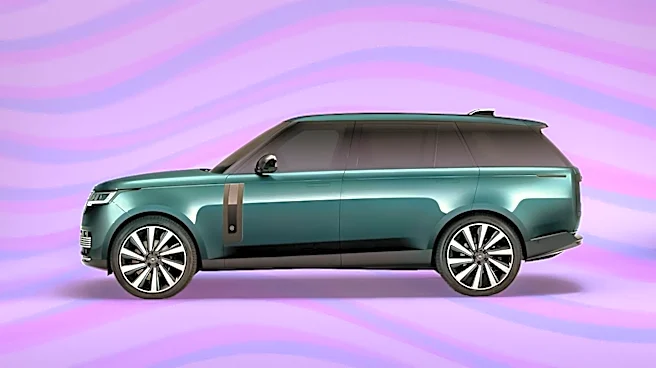
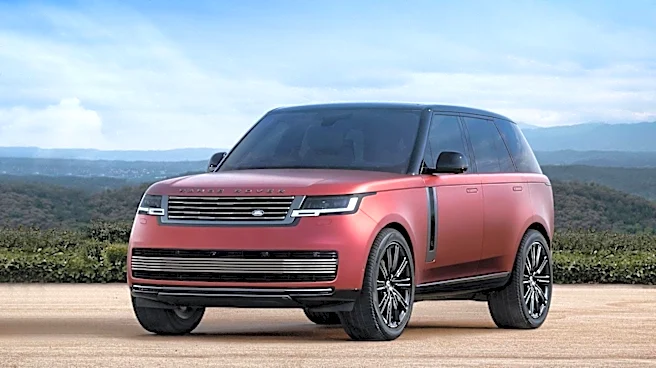
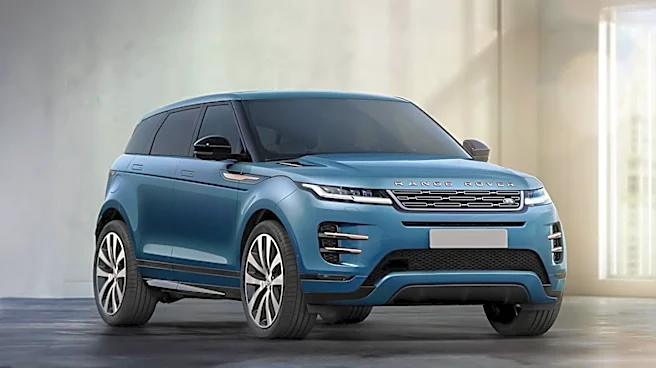
Range Rover has unveiled its first fully electric vehicle, the Range Rover Electric, marking a significant shift in the brand's over five-decade history. The new model boasts a powerful 550 horsepower and an estimated 600 kilometers (approximately 373
miles) of WLTP range. It features a dual-motor setup, providing all-wheel drive, and can accelerate from 0 to 100 km/h (0 to 62 mph) in 4.5 seconds. The vehicle is equipped with a substantial 118.5 kWh battery, utilizing an 800-volt electrical architecture. Orders for the Range Rover Electric are now open in Spain, with a starting price of 163,250 euros. The company emphasizes that despite its electric powertrain, the vehicle retains the brand's renowned off-road capabilities, including a wading depth of up to 90 centimeters and the ability to tackle 45-degree inclines. The development process involved over 1.5 million kilometers of testing in extreme conditions, from -40 degrees Celsius in Sweden to the intense heat of the Dubai desert.
Why It's Important?
The introduction of an all-electric Range Rover is a pivotal moment for the luxury SUV market and the broader automotive industry. It signals a strong commitment from a prominent luxury brand to electrification, potentially accelerating the adoption of electric vehicles in the high-end segment. This move could influence other luxury automakers to expedite their electric offerings, intensifying competition and innovation in EV technology. For consumers, it provides a premium electric option that combines environmental consciousness with established luxury and off-road performance. The vehicle's impressive range and rapid charging capabilities address key concerns for potential EV buyers, making electric travel more practical for longer journeys. Furthermore, the emphasis on maintaining off-road prowess demonstrates that electrification does not necessarily mean a compromise on traditional vehicle strengths, which could appeal to a wider range of buyers and challenge existing perceptions about electric vehicles.
What's Next?
Following the opening of orders in Spain, the Range Rover Electric is expected to roll out to other international markets. The company will likely focus on fulfilling initial orders and scaling production to meet anticipated demand. Future developments may include expanding the range of available trims and customization options beyond the initial SE, HSE, Autobiography, and SV variants, as well as the limited First Edition. Range Rover will also continue to highlight the vehicle's advanced thermal management system, ThermAssist, which can reduce energy consumption for heating and extend range. The brand's commitment to filing approximately 300 patents related to the battery, motors, and thermal management suggests ongoing innovation and potential for future enhancements in electric vehicle technology. The success of this model will be closely watched as a benchmark for luxury electric SUVs.
Beyond the Headlines
The Range Rover Electric's debut extends beyond mere product launch; it represents a significant cultural and technological shift within the automotive sector. By electrifying an iconic off-road vehicle, Range Rover is challenging the long-held notion that electric powertrains are primarily suited for urban or on-road driving. This could pave the way for more rugged and adventure-oriented electric vehicles, broadening the appeal of EVs to demographics previously unaddressed. The extensive testing in extreme environments underscores a commitment to durability and performance, which is crucial for overcoming skepticism about electric vehicle reliability in challenging conditions. Moreover, the high price point positions the Range Rover Electric as a status symbol, potentially influencing luxury consumers to embrace electric mobility as a premium choice, thereby accelerating the broader market's transition away from fossil fuels. This move also highlights the increasing convergence of luxury, sustainability, and advanced technology in modern vehicle design.