




What's Happening?
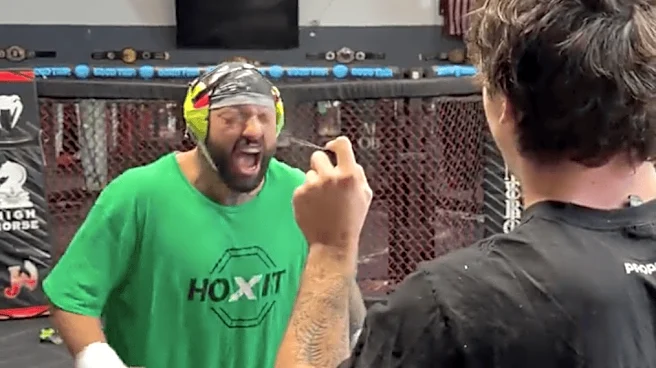
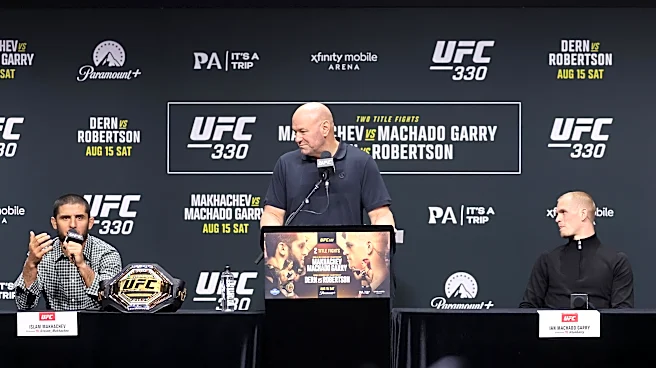
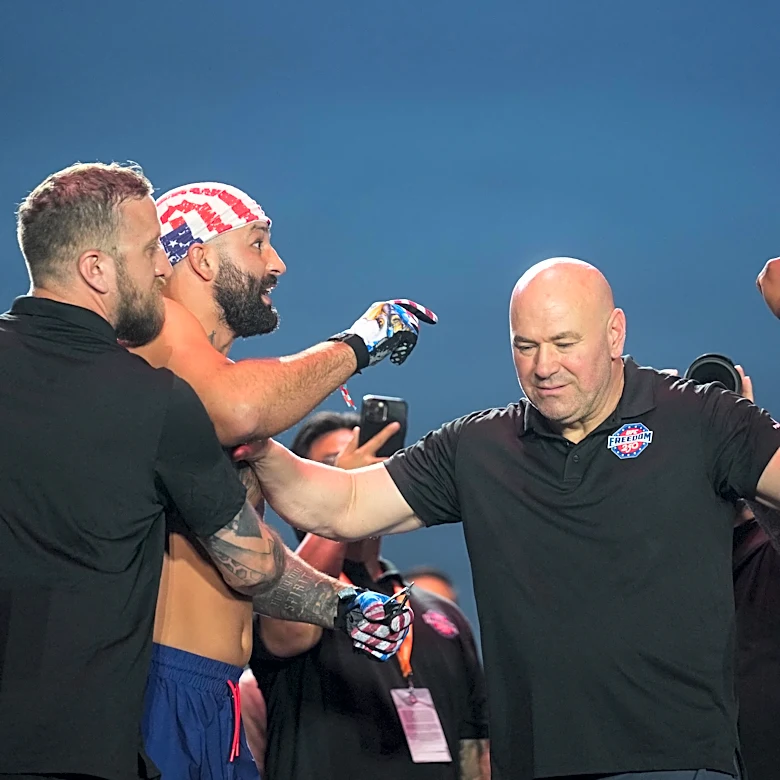
UFC CEO Dana White has admitted to intentionally scheduling tougher opponents for heavyweight contender Josh Hokit due to his personal dislike of Hokit's controversial statements. White revealed this during an appearance on The Jim Rome Show, stating
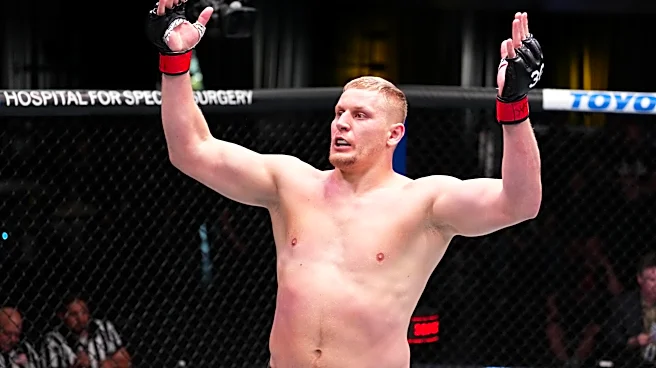
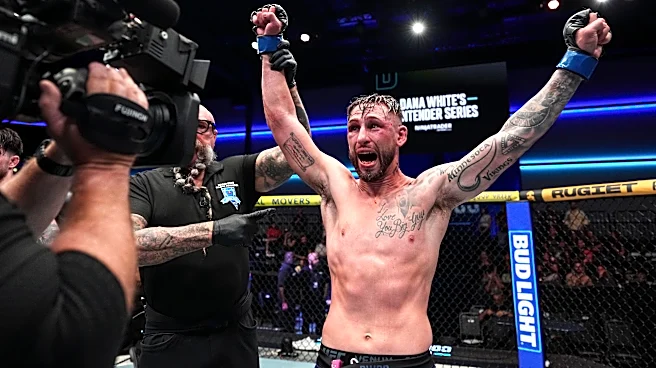
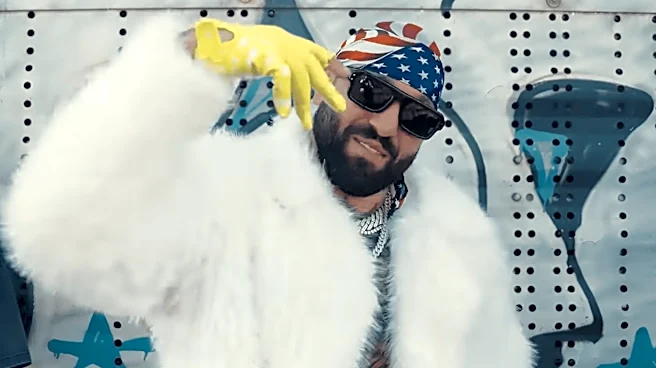
that he "didn't like some of the things he said" and consequently "might've thrown some tough guys at him." Despite these challenges, Hokit has earned a title shot against undisputed Heavyweight champion Ciryl Gane at UFC 334, scheduled for November 14, 2026, at Madison Square Garden. Hokit secured this opportunity by winning his first four UFC fights, including victories over Curtis Blaydes and Derrick Lewis. White's disdain for Hokit's personality began with his post-fight interviews, particularly after Hokit made offensive remarks about WNBA star Brittney Griner and later called former First Lady Michelle Obama a man. White has publicly condemned Hokit's comments, stating he "hated that kind of nonsense."
Why It's Important?
This admission from Dana White raises significant questions about fairness and impartiality in fighter matchmaking within the UFC. The CEO's personal feelings influencing opponent selection could be seen as a potential conflict of interest, impacting the career trajectory of fighters. While Hokit ultimately succeeded despite the perceived disadvantage, it highlights the power dynamics within the promotion and the potential for subjective factors to play a role in a fighter's path. This situation also sparks debate about free speech versus professional conduct in sports. White's strong disapproval of Hokit's comments, particularly those targeting public figures, reflects a broader concern within sports organizations about maintaining a certain public image and preventing controversial statements from overshadowing the sport itself. It underscores the tension between a fighter's right to express themselves and the organization's desire to control narratives and protect its brand.
What's Next?
Josh Hokit is set to challenge Ciryl Gane for the undisputed Heavyweight championship at UFC 334 on November 14, 2026. This title fight will be a major test for Hokit, who has overcome the challenges White admittedly placed in his path. The outcome of this fight will determine the future of the heavyweight division and could further elevate Hokit's profile, regardless of White's personal feelings. Following the fight, it will be interesting to observe how White's public stance on Hokit evolves, especially if Hokit secures the championship. The UFC may need to navigate the ongoing tension between its CEO's personal views and the success of one of its top athletes. This situation could also lead to further discussions within the MMA community about the transparency and objectivity of matchmaking processes.
Beyond the Headlines
The controversy surrounding Dana White's matchmaking decisions and Josh Hokit's provocative statements delves into deeper ethical and professional considerations. It brings to light the extent to which a promoter's personal biases can, or should, influence the competitive environment of a sport. While White's candor is notable, it opens a Pandora's Box regarding the integrity of the sport's competitive structure. Furthermore, Hokit's use of his platform for controversial remarks highlights the ongoing struggle in sports between athlete expression and organizational control. It forces a re-evaluation of where the line is drawn for acceptable public discourse from athletes, especially when their views are deemed offensive by significant portions of the audience or by the leadership of their sport. This dynamic could influence future policies on fighter conduct and media engagement within the UFC and other sports organizations.