






What's Happening?
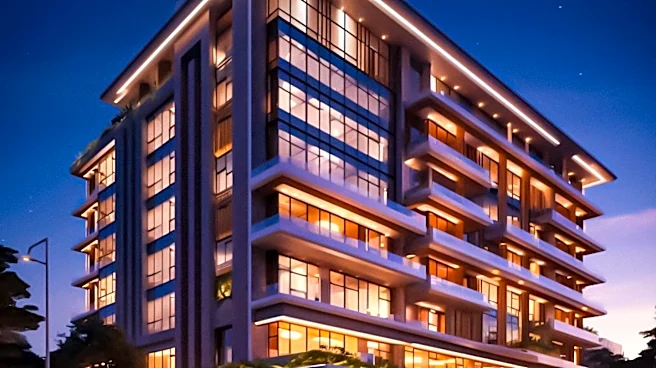
The branded residence sector, once a niche offering, has expanded significantly, growing by over 160% in the past decade to become a prominent asset class in global prime real estate. These residences are typically apartments, penthouses, or villas developed
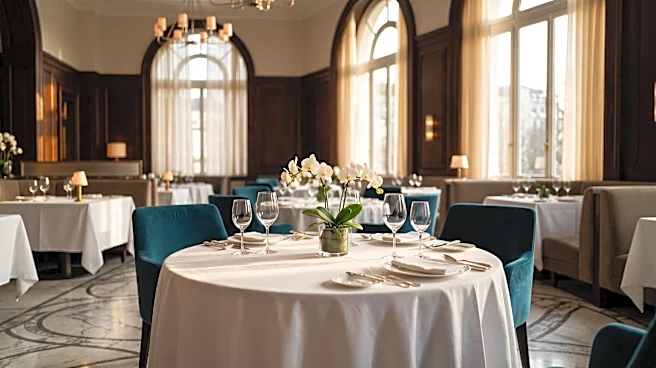
in partnership with recognized luxury brands. The sector primarily operates under two models: residential units within or adjacent to five-star hotels (e.g., Four Seasons, Ritz-Carlton) and high-density towers or private estates carrying the intellectual property and design standards of non-hospitality luxury brands, such as automotive marques (Bugatti, Porsche) and fashion houses (Armani/Casa, Fendi Casa). A key characteristic is professional operational stewardship, where the brand enforces rigorous construction standards, oversees spatial layouts, and manages long-term facility operations to ensure consistent service and maintenance. This model has attracted high-net-worth individuals and family offices globally, with the United States historically dominating the sector in urban centers like New York and Miami, and resort areas such as Aspen and Hawaii.
Why It's Important?
The rise of branded residences signifies a significant shift in the luxury real estate market, offering a de-risked investment for developers and a high-value proposition for buyers. Branded schemes command an average international price premium of 25% to 35% over comparable unbranded luxury homes, with this uplift potentially exceeding 40% in emerging markets. For developers, aligning with an internationally recognized brand accelerates sales absorption timelines and mitigates financing risks. High-net-worth buyers benefit from enhanced international visibility and liquidity in secondary resale markets, as brand prestige acts as a proxy for build quality and legal security. Additionally, complete on-site management, security, and maintenance eliminate the administrative burden of owning multi-jurisdictional private homes. When placed into managed rental pools, these residences achieve superior average daily rates and higher occupancy levels, supported by the parent brand’s global reservation networks and loyal clientele. This evolution reflects a growing demand for seamless, serviced urban living among the affluent.
What's Next?
The branded real estate sector is poised for further specialization, driven by expanding global high-net-worth wealth and the demand for integrated, serviced living. Future developments are expected to incorporate biological wellness integrations, sustainable ESG engineering, and bespoke private member amenities. While the United States has historically been a stronghold, the global center of gravity has shifted, with the Middle East, particularly Dubai, emerging as a highly concentrated hub for branded residential developments. Institutional focus is now pivoting towards underserved prime markets with deep private wealth but historically scarce branded residential supply. Australia, for instance, is experiencing a defining era in its luxury sector, with domestic wealth propelling demand from equity-rich downsizers seeking turnkey, fully serviced apartments. This indicates a continued geographic expansion and diversification of the branded residence model beyond traditional luxury markets, with ongoing innovation in amenities and sustainability features.
Beyond the Headlines
The phenomenon of branded residences extends beyond mere luxury housing; it represents a deeper societal trend towards curated experiences and outsourced lifestyle management for the ultra-wealthy. The integration of non-hospitality brands, such as automotive and fashion houses, into residential development blurs the lines between product and lifestyle, offering residents an extension of their personal brand and values. This trend highlights a desire for not just high-quality living spaces, but also for the prestige, services, and community associated with established luxury brands. The emphasis on professional operational stewardship and consistent service delivery reflects a premium placed on convenience, security, and a hassle-free ownership experience. Furthermore, the sector's move towards biological wellness integrations and sustainable engineering points to an evolving understanding of luxury, where well-being and environmental consciousness are becoming integral components of high-end living, influencing design, technology, and service offerings.