





What's Happening?
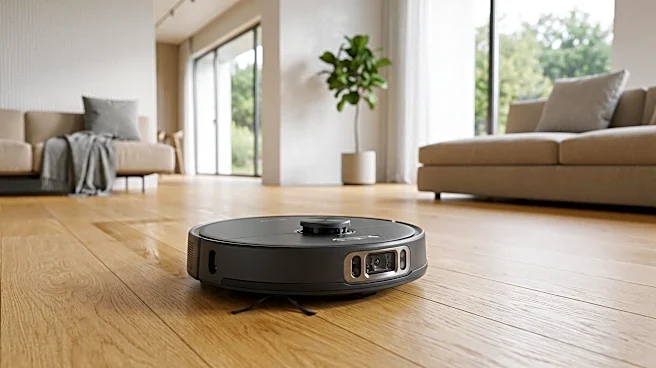
The smart home market is rapidly expanding, offering a variety of gadgets designed to enhance home automation, save energy, and reduce costs for U.S. consumers. These devices range from the SwitchBot Curtain 3, which automates curtain openings for natural
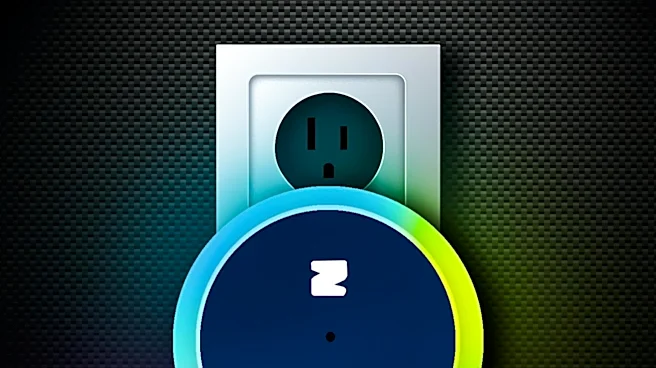
light, to the ecobee Smart Thermostat Premium, providing whole-home climate control that learns user routines and monitors air quality. Other innovations include the Rachio 3 Smart Sprinkler Controller, which uses local weather data to optimize irrigation and prevent water waste, and the Kasa Smart Wi-Fi Plug with Energy Monitoring, which identifies 'hidden energy drains' from appliances. These gadgets aim to transform daily hassles into seamless operations, allowing homeowners to manage their living spaces more efficiently without constant intervention.
Why It's Important?
The proliferation of energy-saving smart home gadgets holds significant importance for U.S. households and the broader economy. For consumers, these devices offer tangible financial benefits through reduced electricity and water bills, making home ownership more affordable. The ability to monitor and control energy usage also empowers individuals to make more informed decisions about their consumption habits. From an industry perspective, the growing demand for these products fuels innovation and competition within the smart home technology sector, creating jobs and driving economic growth. Furthermore, by promoting energy efficiency and responsible resource management, these gadgets contribute to national sustainability goals, lessening the strain on power grids and water supplies, and reducing the overall carbon footprint of residential areas.
What's Next?
The smart home market is expected to continue its rapid evolution, with future developments likely focusing on greater integration, enhanced AI capabilities, and improved interoperability between devices from different manufacturers. We can anticipate more sophisticated energy monitoring and management systems that offer predictive analytics and personalized recommendations. The trend towards devices that operate without requiring constant user input, such as self-adjusting thermostats or automated lighting, will likely accelerate. Additionally, there may be an increased emphasis on security and privacy features as more personal data is collected and processed by these systems. The expansion of subscription-free models for outdoor cameras and other devices also suggests a consumer preference for one-time purchases over recurring costs, which could influence future product offerings.
Beyond the Headlines
The deeper implications of widespread smart home gadget adoption extend to lifestyle changes and environmental impact. These devices are not just about saving money; they are reshaping daily routines, offering unprecedented convenience and control over one's living environment. The shift towards automated energy management could foster a greater collective awareness of resource consumption, potentially leading to more sustainable behaviors on a larger scale. However, there are also concerns regarding the environmental footprint of manufacturing and disposing of these electronic devices, as well as the potential for increased electronic waste. Furthermore, the reliance on interconnected systems raises questions about cybersecurity vulnerabilities and the potential for system failures to disrupt essential home functions, highlighting the need for robust security protocols and reliable infrastructure.