






What's Happening?
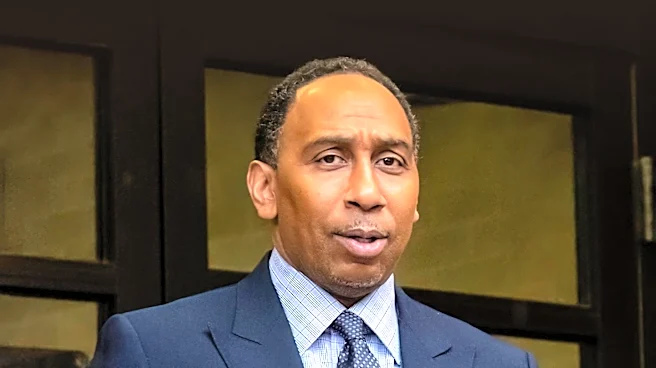
Jason Whitlock has weighed in on the ongoing controversy involving Stephen A. Smith, Cari Champion, and Jemele Hill, following a dispute over an edited YouTube video of Smith's three-hour interview with Champion and Hill. Smith publicly accused the hosts
of cutting footage, claiming his presence significantly boosted their platform. Whitlock took to social media to mock Smith's involvement, using offensive language and adding fuel to the already heated situation. Hill clarified that the missing footage was a minor editing mistake in the video version, assuring that the full, unedited conversation was available on podcast audio platforms. Smith, however, expressed feeling unappreciated for his time and the viewership he brought to their channel.
Why It's Important?
This incident highlights the volatile nature of digital sports media and the intense rivalries that can emerge between prominent personalities. The dispute, initially about editing, quickly escalated into a public 'media war' involving personal attacks and accusations of ingratitude. This is significant because it exposes the pressures and expectations within the sports commentary landscape, where content rights, viewership numbers, and personal brand building are paramount. The involvement of figures like Whitlock further amplifies these conflicts, turning production disagreements into major public spectacles. It also raises questions about professional conduct, the ethics of content creation, and the impact of social media on inter-personal relationships within the industry.
What's Next?
The fallout from this controversy is expected to continue, with fans and media observers closely watching for further reactions from Stephen A. Smith, Cari Champion, Jemele Hill, and Jason Whitlock. Smith has indicated he will demand full, unedited recordings for future appearances, suggesting a shift in how he approaches collaborations. The ongoing public debate may lead to further exchanges on social media or other platforms, potentially impacting the professional relationships and public images of those involved. This situation could also prompt broader discussions within the sports media industry about content ownership, editing practices, and the responsibilities of hosts and guests in collaborative projects.
Beyond the Headlines
This controversy delves into the deeper complexities of media production, intellectual property, and the often-unseen power dynamics at play in high-profile collaborations. It underscores how easily a technical issue can morph into a personal and professional conflict, especially when egos and public reputations are involved. The use of social media as a battleground for these disputes reveals the unfiltered and immediate nature of modern communication, where nuanced discussions can quickly devolve into inflammatory exchanges. Furthermore, it highlights the ethical considerations surrounding content editing and the importance of transparency in media, particularly when dealing with established figures whose words carry significant weight and influence public perception.