




What's Happening?
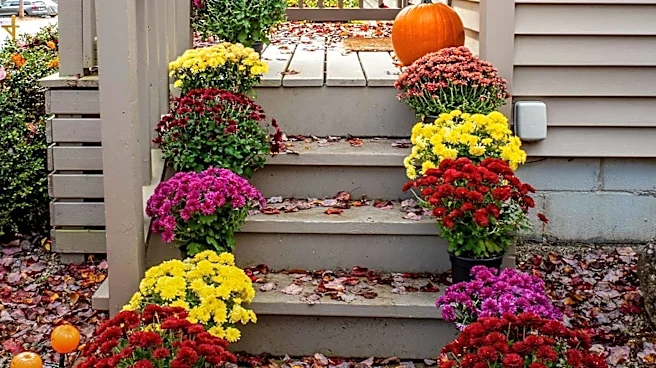
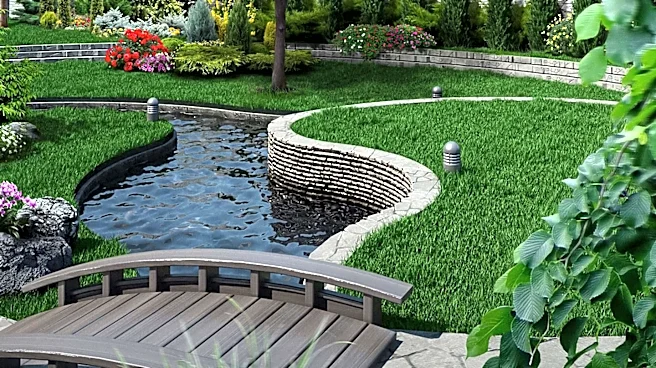
Gardening enthusiasts are exploring creative and affordable ways to transform small garden spaces into vibrant outdoor oases. This trend focuses on maximizing limited areas, such as urban gardens, patios, or balconies, by incorporating innovative design
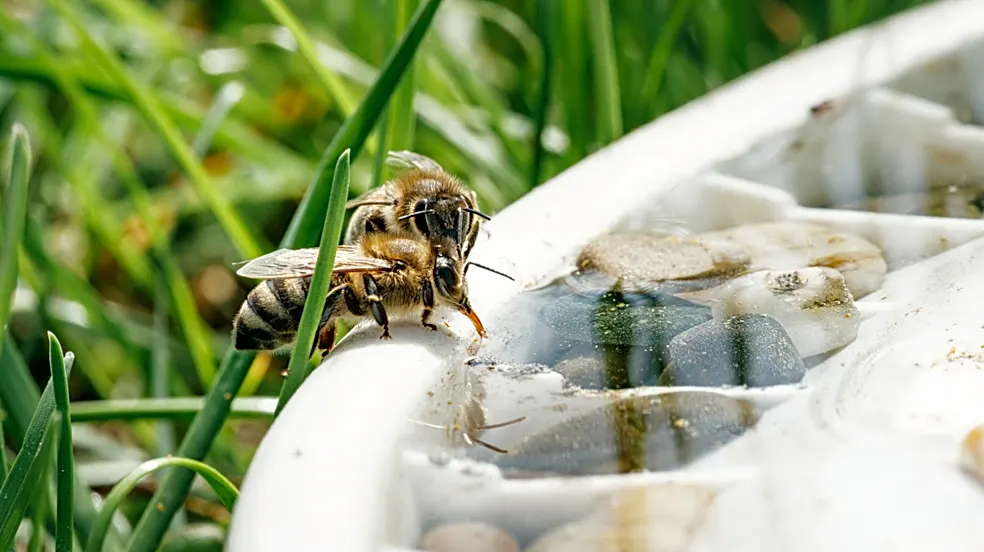
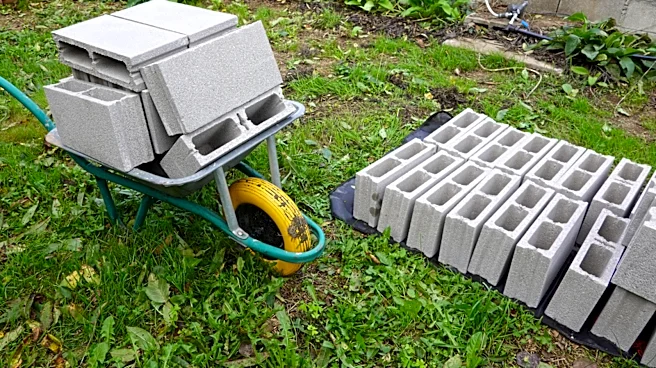
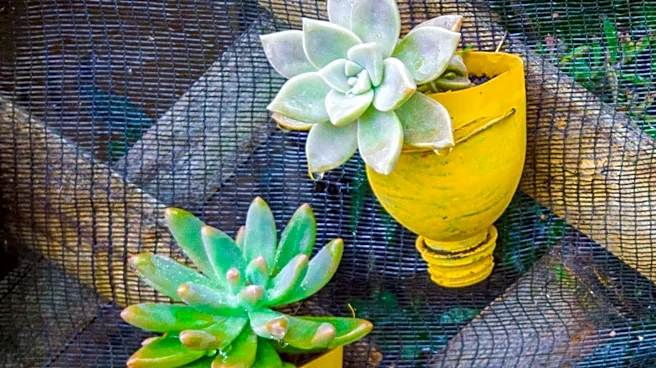
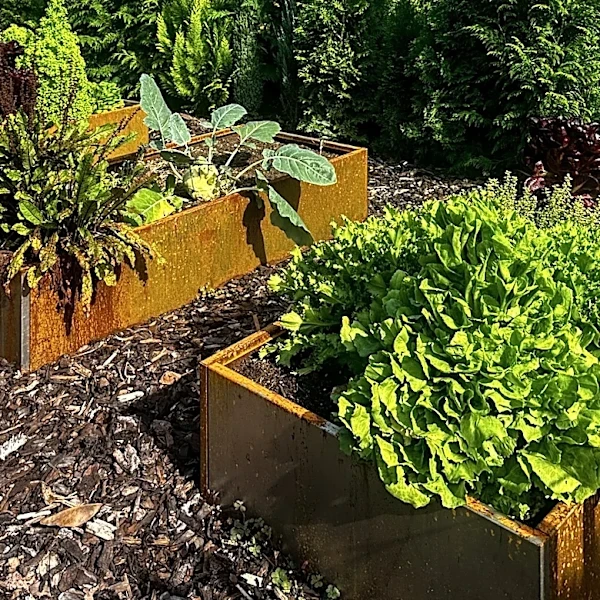
solutions. Key strategies include utilizing vertical gardening techniques, repurposing vintage furniture as planters, and adding decorative elements like string lights and bird baths. For instance, a DIY herb garden planter allows for year-round access to fresh herbs, while an old clawfoot bathtub can be transformed into a distinctive garden feature. The emphasis is on infusing personality into compact spaces, making gardening accessible to individuals with varying levels of expertise, from beginners to those undertaking more elaborate DIY projects. Plant choices that attract wildlife, such as the Honeycomb Butterfly Bush, are also popular for enhancing biodiversity in these smaller settings. The movement highlights the potential for even the most modest outdoor areas to become functional and aesthetically pleasing extensions of the home.
Why It's Important?
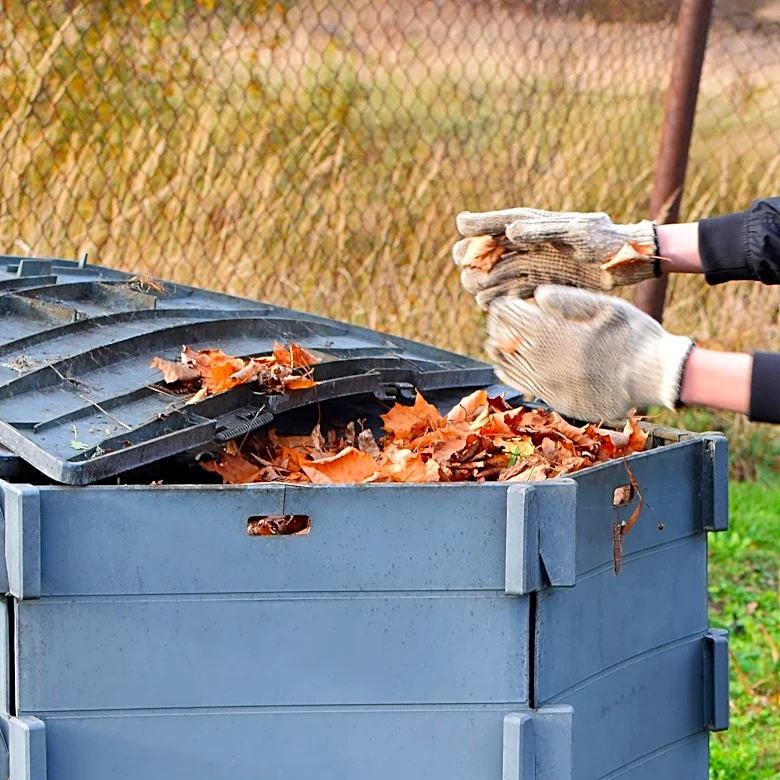
The focus on budget-friendly small garden transformations is important for several reasons, particularly in urbanized areas where space is at a premium. It democratizes gardening, making it accessible to a wider demographic who may not have large yards or significant financial resources for elaborate landscaping. This trend promotes sustainability by encouraging the repurposing of materials and the cultivation of plants that support local ecosystems, such as those attracting pollinators. For individuals, engaging in gardening, even on a small scale, offers mental and physical health benefits, providing a creative outlet and a connection to nature. Economically, the demand for affordable gardening solutions and repurposed items can stimulate local markets for DIY supplies, vintage goods, and specialized plants. It also fosters a sense of community among gardeners who share tips and ideas for optimizing small spaces. The movement underscores a broader shift towards more mindful and resource-efficient living, demonstrating that significant impact can be achieved through small, incremental changes.
What's Next?
Looking ahead, the trend of transforming small gardens with budget-friendly methods is likely to continue evolving with increased innovation in space-saving designs and sustainable practices. We can anticipate a rise in demand for modular gardening systems, multi-functional planters, and smart irrigation solutions tailored for compact areas. There will likely be more community-driven initiatives and online platforms dedicated to sharing DIY gardening hacks, plant swaps, and upcycling projects. Educational resources focusing on urban gardening, vertical farming, and container gardening techniques are also expected to expand, catering to a growing interest in self-sufficiency and localized food production. Furthermore, as environmental consciousness increases, there may be a greater emphasis on selecting native plant species and creating pollinator-friendly habitats within these small garden spaces, further integrating ecological benefits into urban landscapes. The market for repurposed and vintage items suitable for garden decor is also poised for growth, driven by both aesthetic preferences and sustainability goals.
Beyond the Headlines
Beyond the immediate benefits of creating beautiful and functional small gardens, this trend reflects deeper societal shifts towards sustainability, resourcefulness, and a re-evaluation of urban living. It challenges the traditional notion that extensive land is required for meaningful gardening, promoting a more inclusive and adaptable approach to green spaces. Ethically, it encourages conscious consumption by advocating for the repurposing of materials and reducing waste. Culturally, it fosters a renewed appreciation for nature and biodiversity within urban environments, potentially leading to more green initiatives in city planning and community development. The emphasis on DIY and creative problem-solving also empowers individuals, fostering a sense of accomplishment and connection to their immediate surroundings. This movement subtly redefines 'luxury' in outdoor living, shifting it from expansive, manicured lawns to thoughtfully designed, sustainable, and personalized green sanctuaries, regardless of size.