


What's Happening?
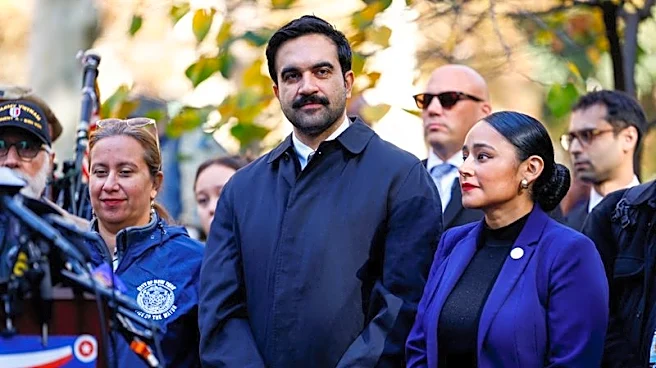
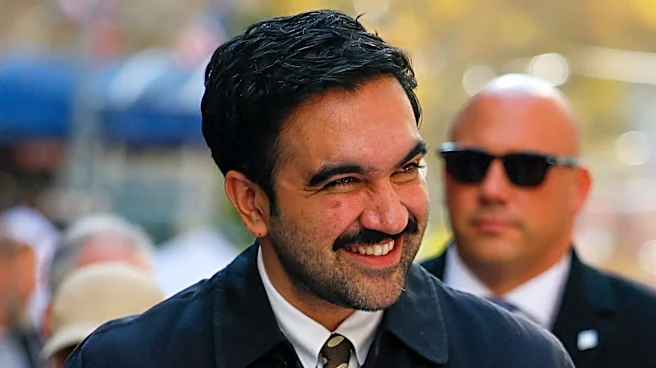
New York City Mayor Zohran Mamdani sustained a torn Achilles tendon while playing in a friendly soccer match between City Hall staff and the New York City press corps. The incident occurred on Thursday night, and Mayor Mamdani appeared on crutches and in a walking
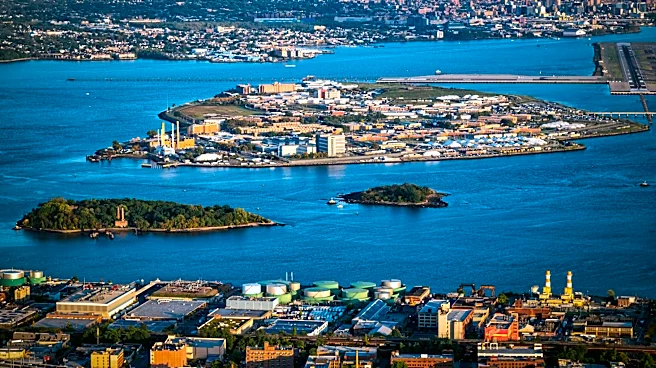
boot at a news conference on Friday, where he announced the plan to close Rikers Island. He admitted that he did not properly stretch before the game, attributing the injury to forgetting his age at 35. Mamdani scored a goal shortly before the injury occurred in the match, which his team won 10-5. He anticipates being in a boot for six to eight weeks and expects to return to playing soccer in approximately nine months. Medical experts note that Achilles tendon ruptures are common among middle-aged adults participating in sports activities.
Why It's Important?
While seemingly a personal injury, the mayor's Achilles tear could have minor implications for his immediate work schedule and public engagements. Being on crutches and in a walking boot for several weeks may limit his mobility and participation in certain in-person events or site visits that require extensive movement. This could necessitate adjustments to his daily routine and how he conducts official duties, potentially relying more on virtual meetings or delegating certain physical tasks. For a public figure, physical presence and active engagement are often key components of leadership, and a significant injury can temporarily alter that dynamic. Furthermore, the incident serves as a relatable moment for many, highlighting the common risks associated with physical activity, especially for those who may not adequately prepare. It also briefly shifted public attention from policy announcements to a personal health matter, offering a glimpse into the mayor's life outside of official duties.
What's Next?
Mayor Mamdani will be in a walking boot for the next six to eight weeks, which will likely require him to adjust his schedule and public appearances to accommodate his limited mobility. He will continue to perform his mayoral duties, though potentially with modifications to his physical presence at events. Following the initial recovery period, he will undergo rehabilitation, with a projected return to soccer in about nine months. In the short term, the mayor's office will likely make logistical arrangements to ensure his injury does not impede critical city business, such as the ongoing discussions and legislative processes related to the Rikers Island closure plan. Public engagements may be adapted to be less physically demanding, or he may rely more on virtual platforms or designated representatives for certain events.
Beyond the Headlines
Beyond the immediate physical impact, Mayor Mamdani's injury subtly underscores the human element of public office. It serves as a reminder that even high-profile leaders are susceptible to common ailments and accidents, fostering a degree of relatability with the general public. In a broader sense, it highlights the increasing emphasis on wellness and work-life balance, even for demanding roles like that of a mayor. The incident could also spark informal conversations about the importance of physical preparation and injury prevention, particularly as many individuals, including those in demanding professions, seek to maintain active lifestyles. While not directly impacting policy, such personal events can occasionally humanize political figures, potentially influencing public perception in subtle ways by showcasing their personal challenges alongside their professional responsibilities.