



What's Happening?
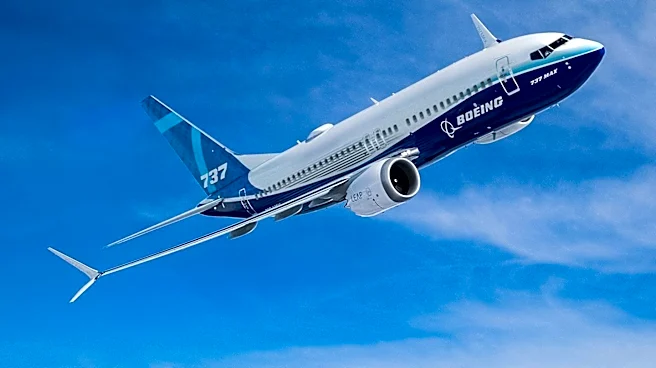
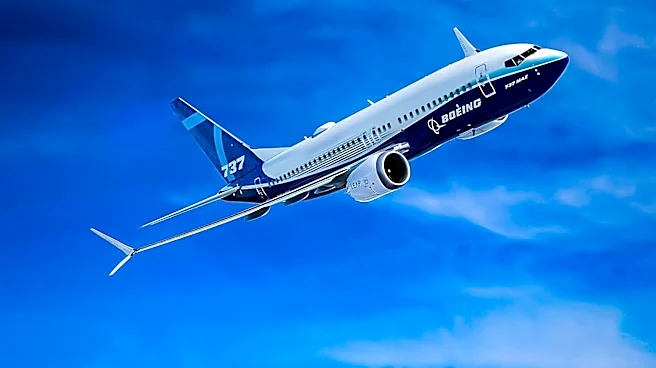
Boeing President and CEO Kelly Ortberg announced in September 2026 that stabilizing 737 production at a rate of 47 aircraft per month is taking longer than anticipated. The primary bottleneck identified is the supply of wings, which Boeing has not been
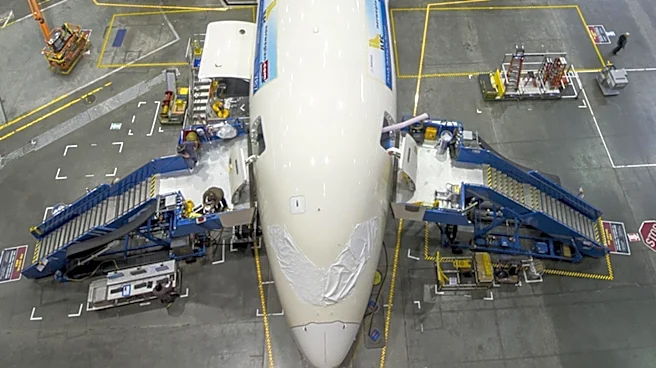
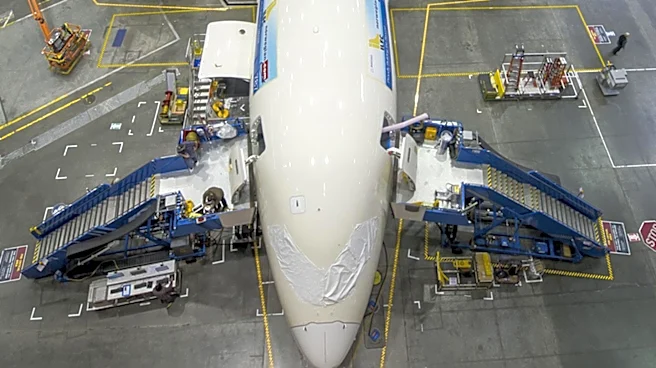
able to produce fast enough to sustain the higher production rate. This comes after Boeing passed the FAA’s capstone review in May 2026, clearing the way for the increase to 47 units per month. The FAA had previously capped 737 production at 38 aircraft per month in January 2024 following a door plug incident on an Alaska Airlines 737 MAX 9. The FAA approved an increase to 42 aircraft per month in October 2025, and Boeing is now working towards the 47-per-month target, with plans to reach 52 by early 2027 and an ultimate ambition of 63 per month. To support these goals, Boeing invested approximately $1 billion in a fourth 737 assembly line, known as the North Line, at its Everett factory, which loaded its first aircraft on July 6, 2026.
Why It's Important?
The challenges in Boeing's 737 production rate have significant implications for the U.S. aerospace industry and global aviation. Production rates directly impact Boeing's revenue, as airlines typically pay for the bulk of an aircraft upon delivery. Delays mean deferred payments, affecting the company's cash flow and financial performance. Furthermore, a stable and increasing production rate is crucial for Boeing to meet its substantial backlog of orders, including 1,363 737 MAX 10s. Supply chain issues, particularly with critical components like wings, highlight the interconnectedness and fragility of modern manufacturing processes. The inability to consistently feed the assembly lines at the desired pace can lead to inefficiencies, increased costs, and potential penalties for delayed deliveries. This situation also affects airlines waiting for new aircraft, impacting their fleet expansion plans and operational capacities. The FAA's oversight and approval processes underscore the regulatory environment that governs aircraft manufacturing, emphasizing safety and quality control as paramount.
What's Next?
Boeing aims to stabilize its 737 production at 47 aircraft per month in the coming months, with a target of reaching 52 per month by early 2027. The North Line at the Everett factory is expected to provide the additional capacity needed to achieve these higher rates. However, while the Everett factory's production certificate now covers the 737, Boeing must complete the final stages of an FAA audit before it can accelerate production and deliver aircraft built on this new line. Until the audit is finished, aircraft can be built but not delivered. The company's long-term ambition is to reach a production rate of 63 737s per month, with studies even considering 70. The success of these plans hinges on resolving the current supply chain bottlenecks, particularly concerning wing production, and successfully navigating the remaining FAA certification processes for the new assembly line.
Beyond the Headlines
The ongoing production challenges at Boeing extend beyond immediate financial and operational impacts, touching upon broader themes of industrial resilience and global supply chain management. The reliance on a complex network of suppliers means that a single bottleneck, such as wing production, can ripple through the entire manufacturing process. This situation underscores the need for robust supply chain strategies, including diversification and vertical integration, to mitigate risks. The FAA's stringent oversight, particularly after the 2024 door plug incident, highlights the critical balance between production efficiency and safety. This regulatory scrutiny can influence design, manufacturing processes, and quality control standards across the aerospace industry. Furthermore, the investment in new assembly lines, like the North Line, reflects a long-term commitment to meeting demand but also signifies the substantial capital expenditure required to scale up production in a highly regulated and technically demanding sector. The ability of major manufacturers like Boeing to overcome these hurdles will serve as a benchmark for industrial recovery and growth in a post-pandemic global economy.