







What's Happening?
Fast-food chains, restaurants, and retailers are increasingly reversing their decade-long trend of implementing extensive automation, such as touchscreen kiosks, self-checkout machines, and QR-code menus. This shift comes as businesses recognize that
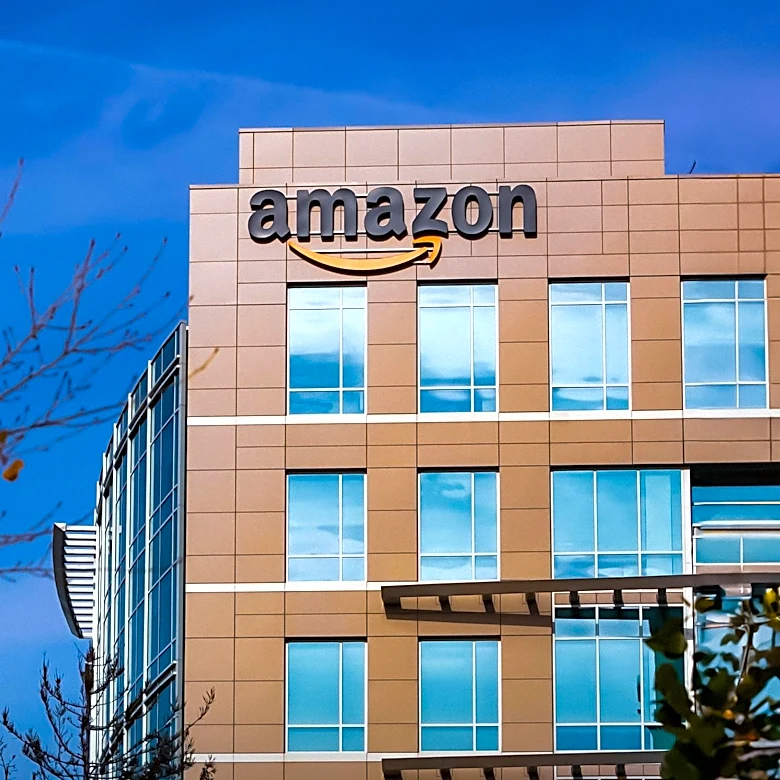
these technologies have alienated both customers and employees. Consumers have expressed frustration with issues like excessive choices on kiosks, frequent malfunctions at self-checkout, and the impersonal nature of digital ordering. Companies like Starbucks are investing in additional staff and store redesigns to foster a more welcoming atmosphere, while McDonald's is training employees in hospitality. &pizza, which previously expanded AI-powered ordering systems, has removed them due to a 'disconnect' with customers. Walmart, Target, Costco, and Amazon have also scaled back or closed automated services, acknowledging that human interaction enhances the customer experience and reduces issues like theft.
Why It's Important?
This reversal signifies a critical re-evaluation of the role of technology in customer service and the retail experience. For years, automation was seen as a primary driver for cost savings and efficiency. However, the current trend indicates that an overreliance on machines can negatively impact customer satisfaction, brand loyalty, and employee morale. Businesses are realizing that human interaction remains a valuable, often irreplaceable, component of the service industry. This shift could lead to a renewed focus on hiring and training customer-facing staff, potentially creating more job opportunities in the retail and hospitality sectors. It also highlights the importance of balancing technological advancement with the human element, suggesting that technology should augment, rather than replace, personal connections in commercial settings. The move away from excessive automation could also influence consumer expectations, leading to a preference for businesses that offer more personalized service.
What's Next?
In the immediate future, more retailers and food service establishments are likely to follow suit, scaling back on self-service technologies and investing in human capital. This could manifest as increased hiring for customer service roles, enhanced employee training programs focused on hospitality, and store redesigns aimed at creating more inviting environments. The industry may see a hybrid approach emerge, where technology is used strategically to support human interactions rather than replace them entirely. For example, mobile ordering might continue, but with a greater emphasis on efficient human hand-off and personalized service. This trend could also spur innovation in technology that genuinely enhances human interaction, rather than diminishing it. Long-term, this could lead to a more balanced integration of technology and human labor in the service sector, with a greater appreciation for the unique value that human employees bring to the customer experience.
Beyond the Headlines
The rejection of excessive automation by consumers and businesses points to a deeper societal yearning for human connection in an increasingly digital world. The initial push for self-service was driven by efficiency and cost-saving motives, but it overlooked the psychological and social aspects of commerce. The 'overworked consumer' phenomenon, where customers are tasked with performing labor previously done by employees, has led to widespread dissatisfaction. This trend suggests that while technology can streamline processes, it cannot fully replicate the nuanced social exchanges that define human interaction. The resurgence of human-centric service could foster a greater sense of community and personal engagement in public spaces, counteracting the isolation that can sometimes accompany technological advancement. It also raises questions about the ethical implications of automation and the importance of preserving human roles in industries where personal connection is valued.