
What's Happening?
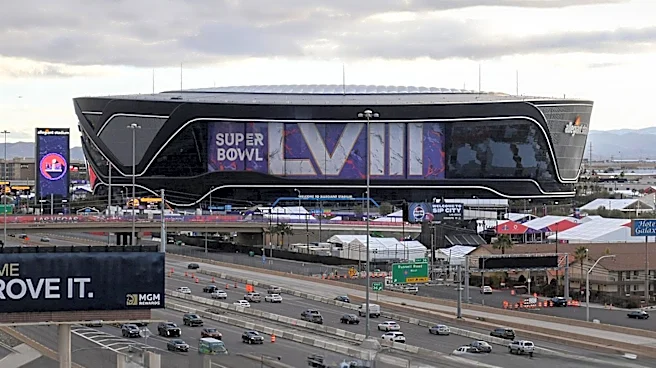
IMAX, a global leader in entertainment technology, has announced a partnership with ESPN, The Walt Disney Company, and the NFL to broadcast Super Bowl 61 live in IMAX theaters. This historic event, scheduled
for Sunday, February 14, 2027, will mark the first time the Super Bowl is presented in the IMAX format. The telecast will be available across hundreds of IMAX locations in the United States and select international markets, including Australia, New Zealand, and Brazil. This collaboration represents the largest live event in IMAX's history. The four-hour event will encompass ESPN's main Super Bowl game telecast, Jay-Z's halftime performance, and pregame and postgame coverage. Tickets for this unique viewing experience are expected to go on sale in January 2027, with pricing yet to be disclosed. Ken Potrock, president of major event integration for The Walt Disney Company, highlighted the collaboration as taking the shared experience of watching the Super Bowl to a 'historic new scale.' In addition to IMAX theaters, the championship game will also be available on ESPN channels, Disney+, and Disney's broadcast network ABC.
Why It's Important?
This partnership signifies a significant shift in how major live sporting events are consumed, offering a premium, immersive viewing experience beyond traditional television and streaming platforms. For IMAX, it represents a substantial expansion of its content offerings into live sports, potentially attracting a new demographic of viewers to its theaters. The NFL and ESPN stand to benefit by reaching a broader audience and enhancing the Super Bowl's appeal through IMAX's superior audio and visual technology. This move could set a precedent for other major sporting events to explore similar theatrical releases, creating new revenue streams for sports leagues and entertainment technology companies. It also underscores the growing trend of experiential viewing, where the communal aspect and enhanced presentation quality become key differentiators in a crowded media landscape. The collaboration leverages the strengths of each partner: IMAX's technological prowess, ESPN's broadcast rights, and the NFL's massive fan base, creating a unique value proposition for consumers.
What's Next?
Following this announcement, the immediate next steps will involve IMAX, ESPN, and the NFL finalizing logistical details for the February 2027 broadcast. This includes coordinating the technical aspects of live transmission to hundreds of theaters globally and developing marketing strategies to promote ticket sales, which are slated to begin in January 2027. The success of this Super Bowl broadcast in IMAX theaters could pave the way for future collaborations on other major sporting events or live entertainment spectacles. Stakeholders will closely monitor ticket sales and audience reception to gauge the viability of this new distribution model. If successful, it could prompt other sports leagues and broadcasters to explore similar partnerships, potentially leading to a new era of live event cinema. The pricing strategy for tickets will also be a key factor in determining accessibility and overall success, as it will influence consumer willingness to pay for the enhanced experience.
Beyond the Headlines
This initiative extends beyond a simple broadcast deal; it represents a strategic move to redefine the communal viewing experience in an increasingly fragmented media environment. In an era where home entertainment systems are highly advanced, offering a compelling reason for audiences to gather in theaters for a live event is crucial. The IMAX experience, with its large screens and immersive sound, aims to replicate and amplify the stadium atmosphere, offering a unique social event for fans. This could also have long-term implications for the future of cinema, potentially diversifying its revenue streams beyond traditional film releases and positioning theaters as venues for a wider array of live content. Furthermore, it highlights the ongoing convergence of sports, technology, and entertainment, where companies are constantly seeking innovative ways to engage audiences and create memorable experiences. The partnership could also influence how future media rights deals are structured, potentially including provisions for theatrical distribution.