





What's Happening?
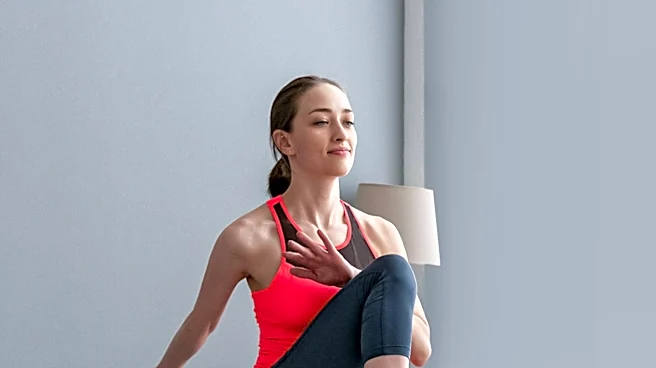
High-Intensity Interval Training (HIIT) is experiencing a resurgence in popularity, particularly for home gym enthusiasts. This training method, characterized by short bursts of intense exercise followed by brief recovery periods, is proving to be an
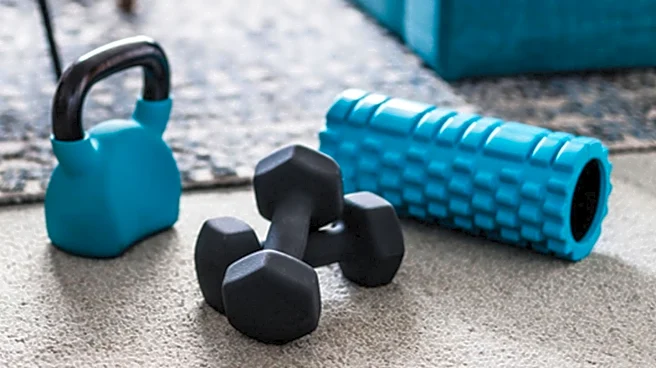
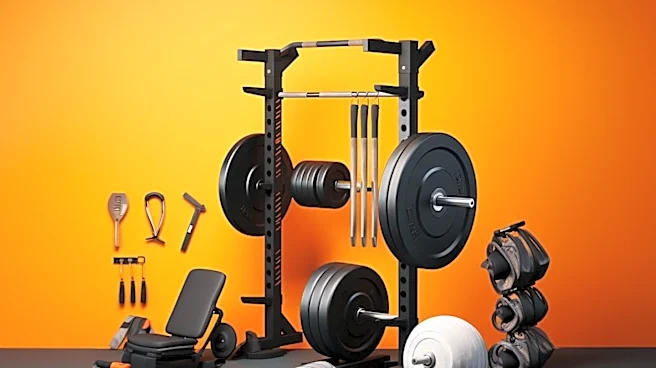
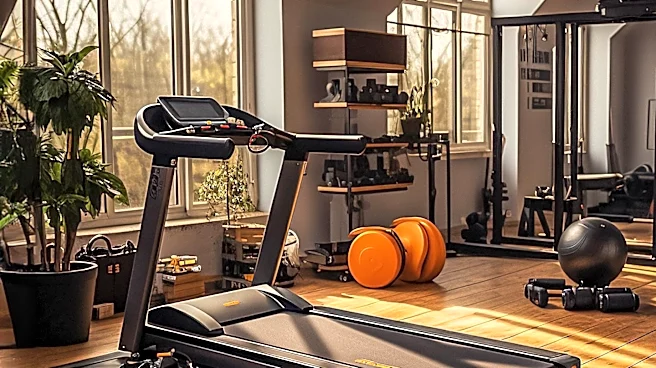
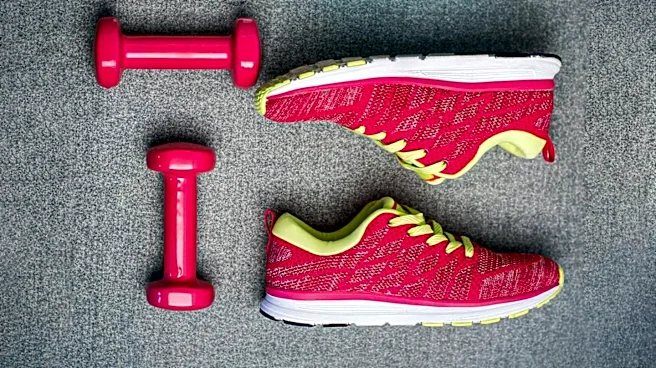
effective solution for individuals with limited time. The convenience of home gyms eliminates travel time, waiting for equipment, and the need for specific class schedules, making it easier to integrate workouts into busy daily routines. Many home gym setups, especially those built around versatile free weights and multi-functional equipment, are well-suited for HIIT workouts. The focus is shifting from solely calorie burning to improving overall fitness, including cardiovascular health, metabolic function, and the ability to sustain effort when fatigued. This approach allows for significant physical benefits in shorter timeframes, making fitness more accessible.
Why It's Important?
The growing adoption of home gyms and HIIT training has significant implications for the U.S. fitness industry and public health. For individuals, it offers a practical way to maintain physical activity despite demanding schedules, potentially leading to improved health outcomes and reduced healthcare costs in the long run. The emphasis on versatile, space-saving equipment also impacts consumer spending patterns within the fitness market, favoring companies that produce adjustable dumbbells, multi-functional benches, and compact strength machines. This trend democratizes fitness, making it less dependent on expensive gym memberships or specialized facilities. Furthermore, the focus on 'healthspan' – the period of life spent in good health – rather than just 'lifespan' highlights a broader societal shift towards proactive wellness and preventative health measures, which home-based HIIT can effectively support.
What's Next?
The continued evolution of home fitness is likely to see further innovation in equipment design, with a focus on even greater versatility and smart technology integration. We can anticipate more personalized HIIT programs delivered through apps and online platforms, adapting to individual fitness levels and available equipment. The market for compact, high-quality home gym equipment is expected to expand, with manufacturers competing to offer durable and efficient solutions. Additionally, as more people experience the benefits of time-efficient workouts, there may be a sustained shift in how fitness is perceived and pursued, potentially leading to a decrease in traditional gym memberships and an increase in home-based fitness solutions. The integration of recovery and mobility practices within these home routines will also become more prominent, ensuring a holistic approach to fitness.
Beyond the Headlines
Beyond the immediate benefits of convenience and efficiency, the rise of home gyms and HIIT training reflects a deeper cultural shift towards self-sufficiency and personalized well-being. It challenges the traditional notion that effective fitness requires external validation or a dedicated commercial space. This movement empowers individuals to take greater control over their health journeys, fostering a sense of agency and adaptability. The emphasis on 'the workout you have time to complete is more valuable than the perfect workout you never get around to starting' underscores a pragmatic approach to health that prioritizes consistency over idealized, often unattainable, fitness goals. This mindset can lead to more sustainable fitness habits and a broader understanding of what constitutes a 'good' workout, moving beyond mere exhaustion to focus on long-term physical capability and resilience.