

What's Happening?
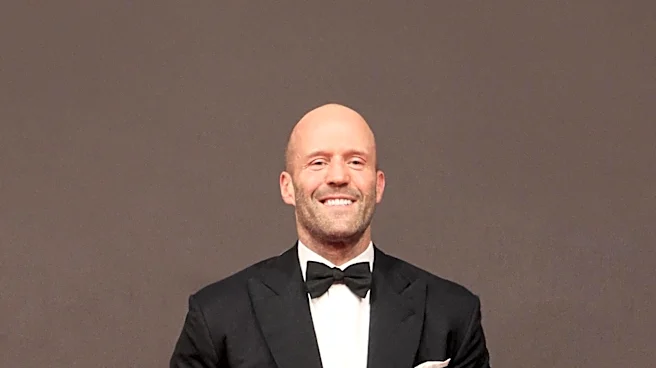
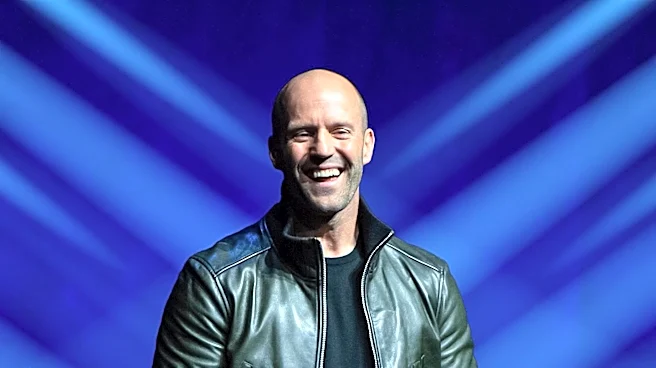
Jason Statham, known for his action film roles, lent his voice to the character Sgt. Waters in the original 'Call of Duty' game, which debuted in 2003. This detail is part of a broader trend where numerous high-profile actors have contributed their vocal
talents and likenesses to the highly successful video game franchise. Over the years, the 'Call of Duty' series has featured a diverse cast of actors, often in roles that might go unnoticed by many players. Other notable actors who have voiced characters in the franchise include Josh Duhamel as Technical Sergeant William Pierson in 'Call of Duty: WWII,' Evangeline Lilly as Savannah Mason-Meyer in 'Call of Duty: Black Ops 4,' and Kevin Spacey as the main villain Jonathan Irons in 'Call of Duty: Advanced Warfare.' The involvement of such prominent figures highlights the increasing crossover between the entertainment industries of film and video games.
Why It's Important?
The participation of actors like Jason Statham in video game franchises such as 'Call of Duty' underscores the growing legitimacy and cultural impact of the gaming industry. This trend helps to bridge the gap between traditional Hollywood entertainment and interactive digital media, attracting a wider audience to video games. For actors, it offers new avenues for work and expands their professional portfolios beyond film and television. For game developers, securing well-known voices can enhance character depth, improve player immersion, and serve as a significant marketing tool, drawing in fans of the actors themselves. This collaboration also reflects the substantial financial success and production values now common in the video game sector, allowing for budgets that can attract top-tier talent. The involvement of established actors can elevate the perceived quality of a game, making it more appealing to both casual and dedicated gamers.
What's Next?
The trend of high-profile actors lending their voices and likenesses to video games is likely to continue and expand. As the gaming industry continues its rapid growth and technological advancements, the demand for sophisticated storytelling and character development will increase, making the involvement of experienced actors even more valuable. Future 'Call of Duty' titles and other major game franchises are expected to continue recruiting well-known talent to enhance their narratives and character portrayals. This could lead to more integrated performances, where actors not only provide voices but also motion capture for realistic character movements and expressions. The ongoing convergence of film, television, and gaming suggests that actors may increasingly view video game roles as a significant and respected part of their careers, further blurring the lines between these entertainment mediums.
Beyond the Headlines
The integration of Hollywood actors into video games like 'Call of Duty' signifies a deeper cultural shift in how interactive media is perceived. Once considered a niche hobby, gaming has evolved into a mainstream entertainment powerhouse, commanding budgets and audiences comparable to blockbuster films. This collaboration challenges traditional hierarchies in entertainment, where film and television were often seen as superior art forms. The involvement of actors like Jason Statham lends artistic credibility to video games, encouraging a broader acceptance of gaming as a legitimate storytelling medium. It also raises questions about the future of performance, as actors adapt their craft to the unique demands of interactive narratives and digital character embodiment. This trend could also influence acting schools and training programs to include modules on voice acting and motion capture for video games, preparing future generations of performers for a more diverse entertainment landscape.