









What's Happening?
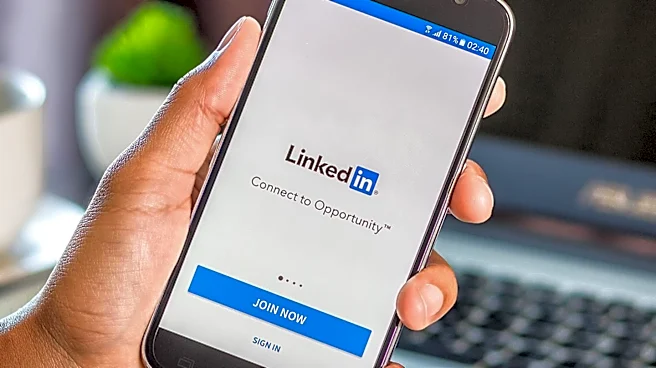
LinkedIn has been increasingly populated with AI-generated content, raising concerns about the authenticity and quality of posts on the platform. According to data from Pangram, an AI detection firm, 41% of long-form and 30% of short-form LinkedIn posts were
likely AI-generated between April and June. This trend has prompted some users, including Steven Bartlett, a prominent creator and host of 'The Diary of a CEO,' to revert to human-written content. Bartlett's company, FlightStory, decided to stop using AI for LinkedIn posts after noticing the prevalence of what they termed 'AI slop'—content that appears polished but lacks substance. LinkedIn has been promoting AI tools to enhance post quality, but the company acknowledges the rise of low-effort AI content and is taking steps to address it. Meanwhile, a Gartner survey revealed that half of the 1,539 U.S. respondents preferred doing business with companies that do not use AI in their messaging.
Why It's Important?
The shift away from AI-generated content on LinkedIn highlights a growing demand for authenticity in digital communication. As AI tools become more prevalent, users and businesses are becoming wary of content that lacks a human touch. This trend could influence how companies approach their digital marketing strategies, emphasizing the value of genuine, human-created content. The skepticism towards AI-generated messaging also reflects broader concerns about the role of AI in business and communication, potentially impacting how companies integrate AI into their operations. For LinkedIn, maintaining user trust and engagement may require balancing AI's benefits with the need for authentic interactions.
What's Next?
LinkedIn's response to the proliferation of AI-generated content will be crucial in shaping the platform's future. The company may need to implement stricter guidelines or develop new tools to help users distinguish between AI-generated and human-written content. As users like Steven Bartlett continue to advocate for authenticity, LinkedIn could see a shift in user behavior, with more individuals and companies opting for human-generated posts. This trend might also influence other social media platforms facing similar challenges with AI content. The ongoing debate about AI's role in communication is likely to prompt further discussions about ethical and practical implications for businesses and users alike.