




What's Happening?
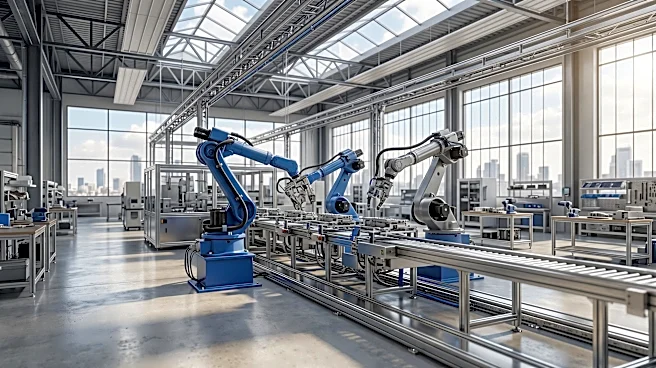
The U.S. economy is experiencing a divergence between headline GDP growth, largely driven by massive AI-related capital expenditures (CapEx), and the deteriorating financial health of American consumers. According to Lance Roberts, while AI CapEx has
stimulated economic activity, it has also contributed to increased costs. This, combined with a significant oil price spike due to the Iran crisis, has led to an inflationary shock for households. Gasoline prices have surged by 34.2%, and September energy inflation reached 20.4%. Headline CPI stands at 3.7%, while core CPI is 2.6%. The critical issue is that real average hourly earnings are not keeping pace with inflation, forcing households to allocate more income to essential expenses and leaving less for discretionary spending. This situation is leading to 'demand destruction,' where consumers maintain spending by accumulating credit card debt and tapping investment accounts, an unsustainable practice.
Why It's Important?
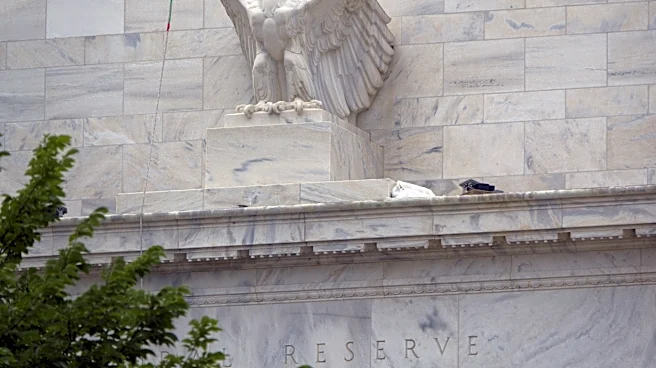
This economic dynamic is significant because consumer spending accounts for approximately 70% of the U.S. economy. The current strength in headline GDP is primarily attributed to business investment rather than robust consumer activity, indicating a fragile foundation. The reliance on AI CapEx to prop up economic figures means that once this investment boom moderates, the underlying consumer weakness could become much more apparent. This scenario presents a serious dilemma for the Federal Reserve. Typically, elevated inflation would necessitate higher interest rates to cool the economy. However, if consumers are already experiencing demand destruction and business investment begins to slow, the Fed might be compelled to cut rates instead of raising them to prevent a deeper economic downturn. The risk is that inflation is silently eroding consumer purchasing power, with AI spending merely providing a temporary buffer, potentially leading to a recession when that support diminishes.
What's Next?
The moderation of CapEx growth is anticipated in 2027, or potentially sooner, which could expose the hidden consumer weakness. When this occurs, the Federal Reserve will face a critical decision regarding interest rates. If consumer demand continues to be destroyed by inflation and business investment slows, the Fed may need to consider cutting rates to stimulate the economy, despite ongoing inflationary pressures. This potential shift in monetary policy would mark a significant departure from traditional responses to inflation. The economic landscape could see increased recession risks as the temporary support from AI spending fades, making the consumer's financial health a central concern for policymakers and investors alike.
Beyond the Headlines
The current economic situation highlights a deeper structural issue where technological advancements, while driving investment and GDP, may not translate into broad-based prosperity for the average American consumer. The distinction between 'good inflation' (driven by a strong economy with rising wages) and 'bad inflation' (surging prices without corresponding wage increases) is crucial. The reliance on debt and depletion of savings to maintain consumption points to a growing economic inequality and vulnerability among households. This trend could lead to long-term shifts in consumer behavior, potentially fostering a more cautious spending environment even after inflationary pressures subside. The ethical implications of an economy where headline growth masks widespread financial strain for the majority of the population warrant closer examination, as it could exacerbate social and economic disparities.