






What's Happening?
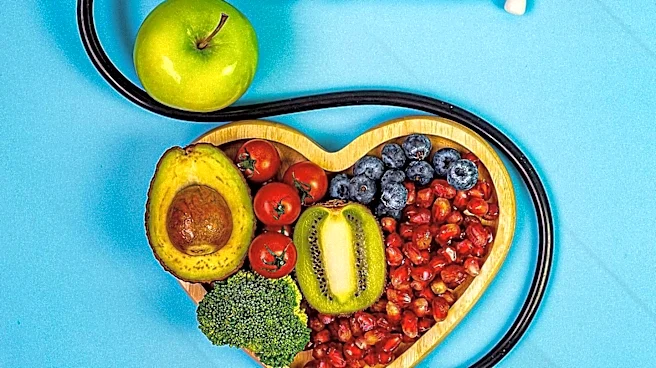
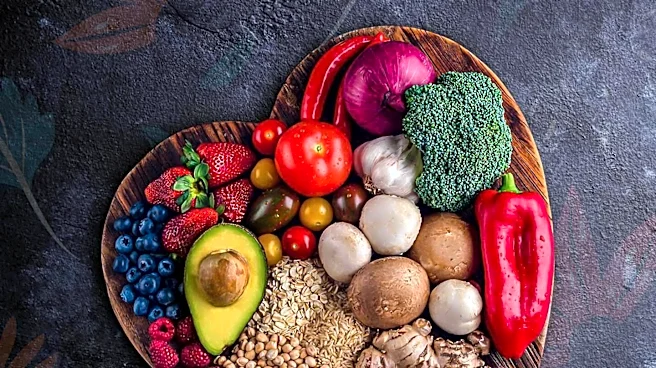
Experts emphasize that improving gut health naturally involves adopting sustainable eating and lifestyle habits, rather than relying on restrictive diets or supplements. A varied diet rich in plant foods, including vegetables, fruits, whole grains, legumes,
nuts, and seeds, is crucial. These foods provide dietary fiber and plant compounds that support the gut microbiome. Gradual increases in fiber intake, adequate hydration, regular physical activity, sufficient sleep, and stress management are also key components. Fermented foods like yogurt with live cultures and kefir can be beneficial additions, but their effects depend on the specific product and individual tolerance. The focus is on building consistent habits that support digestion and overall well-being, rather than seeking quick fixes or 'gut resets.'
Why It's Important?
The health of the gut, encompassing digestive system function and the gut microbiome, plays a significant role in overall well-being. A healthy gut contributes to efficient digestion, nutrient absorption, and proper bowel movements. The gut microbiome, a community of microorganisms, aids in breaking down food components, supports the intestinal barrier function, interacts with immune processes, and influences metabolism. Maintaining gut health can help mitigate common digestive issues such as bloating, gas, constipation, and diarrhea. By promoting a diverse and balanced gut environment through diet and lifestyle, individuals can enhance their energy levels, cognitive function, and reduce the risk of chronic diseases. This approach underscores the interconnectedness of diet, lifestyle, and physiological health, highlighting the importance of holistic self-care.
What's Next?
Individuals are encouraged to gradually incorporate more plant-based foods into their diet, focusing on variety and personal tolerance. This includes adding berries or bananas to breakfast, incorporating beans or lentils into meals, and choosing whole grains. Increasing fiber intake should be done slowly to avoid discomfort, accompanied by increased fluid intake. Exploring fermented foods like sauerkraut or kimchi can also be beneficial. For persistent digestive symptoms, seeking professional medical evaluation is advised, as diet and lifestyle changes alone may not address underlying conditions. The emphasis will continue to be on sustainable, long-term habits rather than temporary dietary restrictions or unproven supplements, with medical consultation for any concerning or persistent symptoms.
Beyond the Headlines
The growing understanding of the gut-brain connection reveals deeper implications for mental and emotional health. Stress and sleep disruption can significantly impact digestive sensations and symptom severity, particularly for individuals with conditions like IBS. This highlights the importance of holistic well-being, where mental health practices like stress reduction and consistent sleep routines are as vital as dietary choices for gut health. Furthermore, the gut microbiome's influence on hormone metabolism, particularly estrogen, suggests complex interactions that are still being researched. This evolving scientific understanding underscores that gut health is not merely about digestion but is a foundational pillar for immune function, metabolic regulation, and potentially even hormonal balance, moving beyond a purely digestive focus to a broader systemic impact.