






What's Happening?
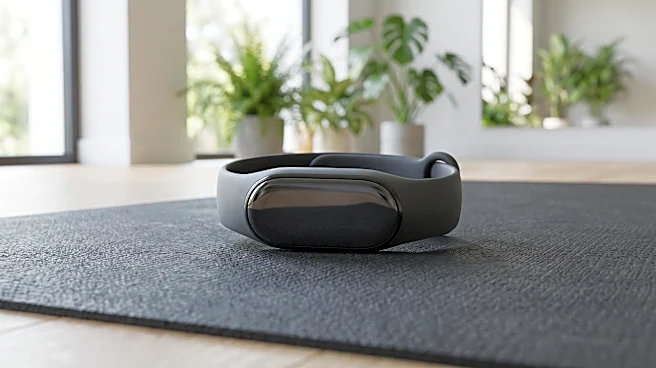
The User Guide for the Circular Ring 2 explicitly advises users not to sync their data while sleeping. This recommendation is in place because syncing data during sleep will interrupt the recording of sleep data, potentially leading to incomplete or inaccurate
sleep analysis. The Circular Ring 2 is designed to track various metrics, including sleep quality score, total sleep duration, sleep stages (deep and REM), heart rate average, and temperature variation. Data synchronization typically occurs when the companion app is opened, connecting via Bluetooth Low Energy to conserve battery. Users can also manually trigger data syncing by swiping down on the home page of the app. The device is intended for 24/7 wear to continuously track metrics, but this specific instruction highlights a critical operational detail for maintaining data integrity during sleep tracking. The guide emphasizes that proper setup and adherence to usage instructions are crucial for accurate data collection and device longevity.
Why It's Important?
This instruction is important for users of wearable health technology, particularly those relying on devices like the Circular Ring 2 for comprehensive sleep monitoring. Accurate sleep data is vital for individuals seeking to understand and improve their sleep patterns, which directly impacts overall health and well-being. Interrupting sleep data recording by syncing can lead to skewed insights, potentially misguiding users in their health management efforts. For manufacturers, it underscores the need for clear user guidelines to manage expectations and ensure the utility of their products. In the broader context of the health tech industry, it highlights the ongoing challenge of balancing user convenience (e.g., automatic syncing) with data accuracy, especially for continuous monitoring functions. Users who disregard this advice may find their sleep analysis features less effective, diminishing the value proposition of the device for its primary health tracking purposes.
What's Next?
Users of the Circular Ring 2 will need to adjust their habits to ensure they do not initiate data syncing during their sleep periods. This likely means ensuring the companion app is closed or not actively refreshing data overnight. Device manufacturers may consider implementing features that automatically prevent syncing during detected sleep periods or provide more prominent in-app warnings if a user attempts to sync while the device is actively recording sleep. Future updates to the Circular Ring 2's firmware or app could potentially introduce smarter syncing protocols that minimize interruption, such as batch syncing data only when the user is awake or in a non-sleep state. Additionally, user education campaigns from the manufacturer might reinforce this specific guideline to prevent common user errors that compromise data quality. The broader wearable tech market may also see other manufacturers refine their syncing mechanisms to avoid similar data integrity issues during critical monitoring phases.
Beyond the Headlines
The directive against sleep syncing touches upon the intricate balance between user experience, technological capability, and data integrity in the rapidly evolving wearable tech market. While the convenience of real-time data access is often a selling point, this scenario illustrates that continuous, uninterrupted data collection for specific metrics like sleep requires careful management. It also highlights a potential area for innovation in wearable technology: developing more intelligent, context-aware syncing algorithms that can differentiate between active and passive data collection periods. Ethically, manufacturers have a responsibility to provide clear, actionable advice to ensure users derive accurate health insights from their devices. Legally, misinterpretation or lack of adherence to such guidelines could lead to user dissatisfaction or even health-related concerns if decisions are made based on flawed data. This situation underscores the ongoing need for robust user education and intuitive design in personal health monitoring devices.