








What's Happening?
ITC has announced that it maintained plastic neutrality for the fifth consecutive year in FY26, aligning with extended producer responsibility (EPR) requirements. The company also reported achieving 100% plastic collection since FY22. These efforts are
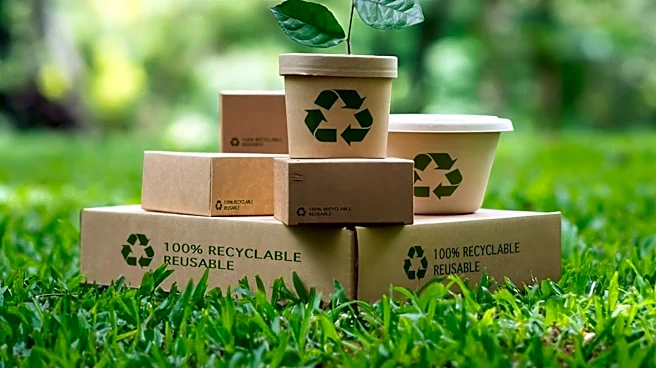
part of ITC's broader sustainability goals, which include a target for 100% recyclable plastic packaging by 2030. The company's Sustainability 2.0 framework outlines several strategic interventions, with circularity being a key focus alongside decarbonization and nature-based solutions. While ITC confirmed its sustained plastic neutrality and collection rates, specific details regarding the tonnage of plastic packaging placed on the market, collected, recycled, or reused were not disclosed in the FY26 report. The company's commitment to plastic neutrality and recyclable packaging underscores its dedication to environmental stewardship and compliance with evolving sustainability standards.
Why It's Important?
ITC's sustained plastic neutrality and ambitious targets for recyclable packaging are significant for several reasons. Firstly, they demonstrate a proactive approach to environmental responsibility, which can enhance brand reputation and consumer trust in an increasingly eco-conscious market. Secondly, by aligning with EPR requirements, ITC is positioning itself favorably within a regulatory landscape that is increasingly scrutinizing corporate environmental impact. This commitment can mitigate future regulatory risks and potential financial penalties associated with plastic waste. Furthermore, the focus on 100% recyclable packaging by 2030 could drive innovation within the packaging industry, encouraging suppliers and competitors to adopt more sustainable practices. This shift could lead to a reduction in virgin plastic consumption and a more circular economy for packaging materials, benefiting the environment and potentially creating new market opportunities for sustainable packaging solutions.
What's Next?
Looking ahead, ITC is expected to continue its efforts towards achieving its 2030 target of 100% recyclable plastic packaging. This will likely involve ongoing investment in research and development for sustainable packaging materials and technologies, as well as collaboration with suppliers to ensure the availability of recyclable options. The company will also need to maintain its 100% plastic collection rate and potentially expand its collection infrastructure to support its growing packaging volumes. Stakeholders, including environmental groups and investors, will likely monitor ITC's progress closely, expecting transparent reporting on its packaging footprint and recycling achievements. The success of ITC's initiatives could also influence other major corporations to adopt similar ambitious sustainability goals, further accelerating the transition towards a more circular economy in the packaging sector.
Beyond the Headlines
ITC's sustained plastic neutrality and ambitious packaging goals reflect a broader global trend towards corporate accountability for environmental impact. This commitment goes beyond mere compliance, signaling a strategic shift towards integrating sustainability into core business operations. The emphasis on circularity highlights a recognition that waste is a design flaw, and that materials should be kept in use for as long as possible. This approach has deeper implications for supply chain management, requiring greater collaboration and transparency from raw material sourcing to end-of-life management. Furthermore, by setting such targets, ITC contributes to shifting consumer expectations, making sustainable packaging a more mainstream demand. This could ultimately lead to a systemic change in how products are designed, produced, consumed, and disposed of, fostering a more sustainable industrial ecosystem.