





What's Happening?
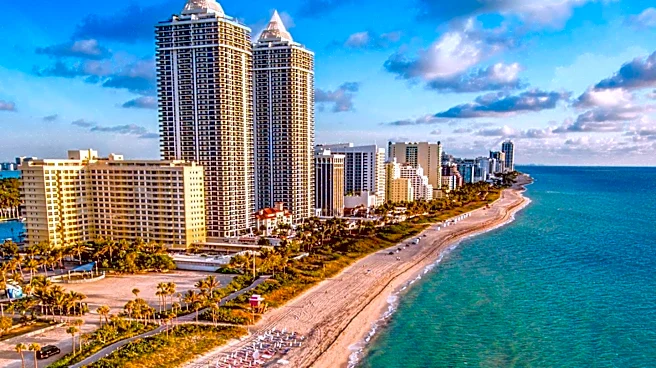
Miami residents have a wide array of choices for weekend getaways, ranging from nearby Florida destinations to international locales. Within Florida, options include the Florida Keys, offering experiences from solar-powered floating bungalows in Key Largo
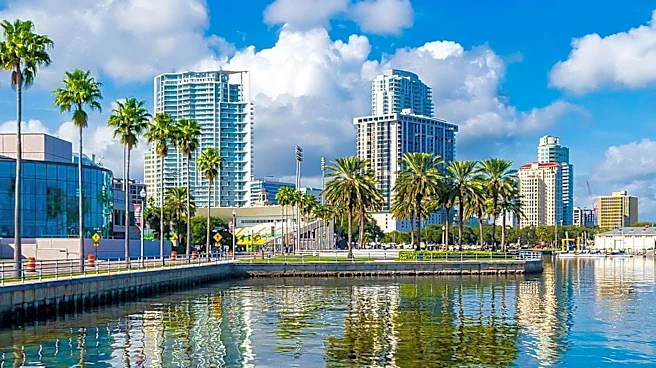
to the vibrant atmosphere of Key West. Naples provides a Gulf Coast experience with luxury resorts and fine dining, while Orlando continues to be a popular choice with its theme parks and new technological hotels like Lake Nona Wave Hotel. Palm Beach County offers distinct weekends in Boca Raton and Palm Beach, known for art, dining, and upscale accommodations. For an all-inclusive experience, Port St. Lucie features the Voco Sandpiper All-Inclusive Resort. The Gulf Coast also presents Tampa and St. Petersburg, combining attractions like Busch Gardens with cultural institutions and beaches. Beyond Florida, residents can easily access Asheville, North Carolina, for mountain air and a creative scene, the Bahamas for convenient international escapes, Charleston, South Carolina, for its food and architecture, and Cancún/Costa Mujeres in Mexico for all-inclusive resorts. Washington, D.C., is also highlighted for its numerous free attractions and growing dining scene.
Why It's Important?
The availability of diverse weekend getaways from Miami is important for the region's tourism and hospitality sectors, as it encourages both local and outbound travel. For Florida's economy, these options support various businesses, from resorts and restaurants to transportation services like Brightline, which connects Miami to Orlando. The range of destinations, from luxury resorts to nature-focused retreats, caters to different demographics and interests, ensuring sustained economic activity in the leisure travel market. The ease of access to international destinations like Mexico and the Bahamas also positions Miami as a key hub for regional travel, benefiting airlines and related services. Furthermore, the emphasis on unique experiences, such as floating bungalows or all-inclusive resorts, drives innovation within the hospitality industry to attract and retain travelers, contributing to job creation and local tax revenues in these destination areas.
What's Next?
As travel trends evolve, the focus for these destinations will likely be on enhancing unique offerings and improving accessibility to maintain their appeal. Continued investment in infrastructure, such as high-speed rail services like Brightline, will further streamline travel within Florida, potentially increasing weekend trip frequency. Resorts and tourism boards will likely continue to develop specialized packages, such as all-inclusive options or themed retreats, to cater to specific traveler preferences. The growth of new attractions and dining experiences in cities like Orlando and Washington, D.C., suggests ongoing efforts to refresh and diversify their tourism appeal. Additionally, as international travel becomes more accessible, destinations like Mexico and the Bahamas may see increased marketing efforts targeting the Miami market, emphasizing convenience and unique cultural experiences.
Beyond the Headlines
The trend of diverse weekend getaways from Miami reflects a broader societal shift towards prioritizing short, experiential trips that offer a quick escape from daily routines. This phenomenon highlights the increasing value placed on leisure and mental well-being, with travelers seeking convenience and unique experiences over extended vacations. The variety of options, from urban cultural explorations to nature-based retreats, also points to a growing demand for personalized travel that caters to individual interests. This trend could lead to further development of niche tourism markets, such as eco-tourism in the Florida Keys or culinary tourism in Charleston. Moreover, the emphasis on accessibility, whether through improved transportation or proximity, underscores the importance of reducing travel friction, allowing for more spontaneous and frequent getaways. This cultural shift could influence urban planning and infrastructure development, as cities strive to become more attractive as weekend destinations.