



What's Happening?
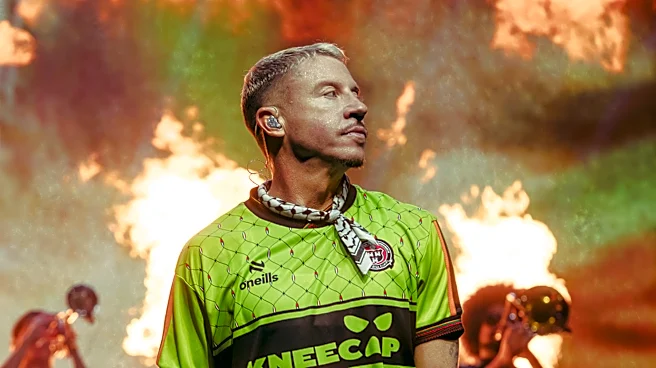
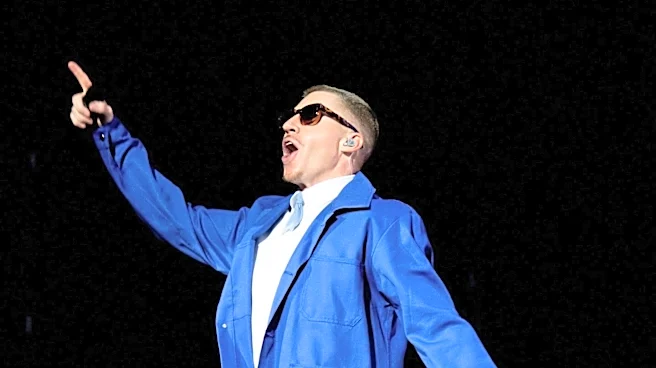
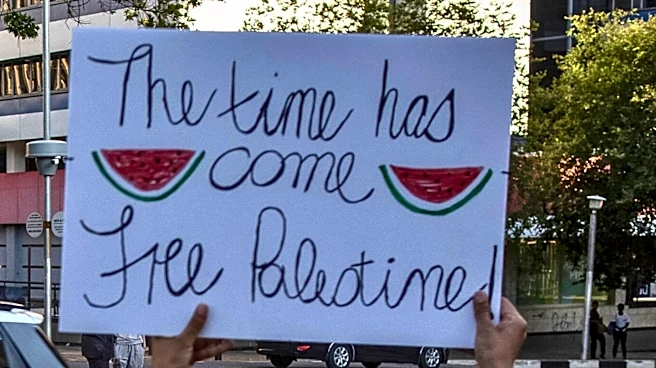
Seattle rapper Macklemore, whose real name is Ben Haggerty, claims that nine major U.S. arenas, including his hometown's Climate Pledge Arena, rejected proposed dates for his 'Free Palestine' benefit tour. According to Macklemore, venues initially offered
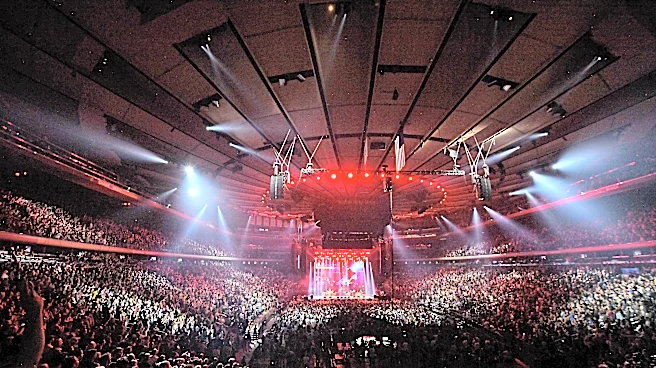
available dates for late fall, but these offers were abruptly withdrawn once it became known that the concerts were intended to benefit Palestinian humanitarian causes. He stated that this experience is unprecedented in his over twenty years of touring. The rapper had previously been dropped from Ed Sheeran's 'Loop' tour in September following pro-Palestine remarks. After successful sold-out benefit concerts in Dublin, Paris, and London, Macklemore has vowed to continue organizing benefit events, even if it means performing outdoors, rather than abandoning the tour. The venues cited by Macklemore include Climate Pledge Arena in Seattle, Madison Square Garden, Barclays Center, UBS Arena in the New York metropolitan area, Prudential Center in Newark, New Jersey, Intuit Dome, Kia Forum, Crypto.com Arena in the Los Angeles area, and Chase Center in San Francisco. FOX 13 Seattle has reached out to Climate Pledge Arena for comment.
Why It's Important?
This situation highlights a significant tension between artistic expression, political activism, and commercial interests within the U.S. entertainment industry. Macklemore's allegations suggest that venues may be hesitant to host events associated with politically sensitive causes, potentially due to concerns about public perception, financial implications, or pressure from various stakeholders. This could set a precedent for how artists with strong political stances are able to utilize large-scale venues for their causes, potentially limiting their reach and impact. For Macklemore, a Grammy-winning artist with deep ties to Seattle, the alleged rejection by Climate Pledge Arena carries particular weight, as he is a visible figure in local events and a minority owner of the Seattle Kraken and Seattle Storm. The incident also raises questions about freedom of speech within commercial spaces and the potential for self-censorship or external pressure to influence event programming.
What's Next?
Macklemore has indicated his intention to continue organizing 'Free Palestine' benefit events, even if it means performing in outdoor venues. This suggests a potential shift in how such politically charged events might be staged in the future, possibly moving away from traditional arena settings. The response from Climate Pledge Arena and other venues, if any, will be crucial in understanding their perspectives and the broader industry's stance on hosting events with explicit political messaging. This situation could also prompt further discussion among artists, venue operators, and civil society groups regarding the balance between commercial viability and the right to political expression. Depending on the public and industry reactions, this could either solidify existing trends of cautious venue booking or spark a movement for greater openness to diverse political expressions in entertainment spaces.
Beyond the Headlines
The alleged rejections by U.S. arenas for Macklemore's 'Free Palestine' tour delve into deeper implications concerning the intersection of commerce, culture, and political discourse in America. It underscores a potential chilling effect where venues, driven by business considerations, may shy away from events perceived as controversial, thereby inadvertently shaping the public square for political expression. This scenario raises questions about the extent to which corporate entities can, or should, act as gatekeepers for public discourse, especially when it involves humanitarian causes. The incident could also fuel debates about the role of artists as activists and the responsibilities of venues in fostering a diverse range of voices. It highlights a broader societal challenge in navigating complex geopolitical issues within the entertainment sphere, where financial interests often clash with calls for social justice and freedom of expression.