





What's Happening?
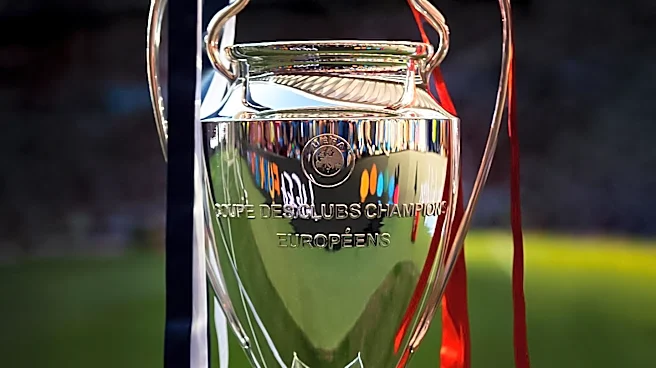
The UEFA Champions League, Europe's premier club football competition, is implementing substantial format changes starting from the 2024/25 campaign. Historically, the tournament began with qualifying rounds in June, followed by a group stage in September
featuring 32 teams divided into eight groups of four. The top two from each group advanced to a two-legged knockout stage, with third-placed teams moving to the UEFA Europa League. Under the new format, 36 clubs will participate in the tournament proper, an increase from 32. The traditional group stage will be replaced by a single league phase where each team plays eight different opponents, four home and four away, instead of playing three opponents twice. There will no longer be a drop-down of teams from the Champions League to the Europa League. The knockout phase will also see changes, with teams ranked 1-8 automatically securing a place in the round of 16, while teams ranked 9-24 will compete in a play-off round to determine the remaining eight spots. The quarter-finals and semi-finals will remain two-legged ties, and the final will continue to be a single match.
Why It's Important?
These changes represent a significant overhaul of one of the most prestigious football competitions globally, impacting broadcasting rights, club strategies, and fan engagement. For U.S. audiences, the increased number of matches and a more dynamic league phase could lead to greater interest and viewership, potentially boosting subscription numbers for broadcasters like Paramount+ (English language commentary) and TUDN (Spanish language commentary), who hold the U.S. rights until the 2029-30 and 2026-27 seasons, respectively. The new format aims to create more competitive matches and eliminate 'dead rubber' games, which could enhance the overall spectacle. However, the increased number of games could also place additional strain on player welfare and club resources. The elimination of teams dropping into the Europa League means a higher stakes competition throughout, potentially intensifying rivalries and tactical approaches from participating clubs. The expanded format also offers more opportunities for clubs from various leagues to participate, broadening the competition's appeal.
What's Next?
The new format will officially commence with the 2024/25 season. Clubs will need to adapt their squad management and tactical approaches to navigate the expanded league phase and the revised knockout structure. Broadcasters will likely adjust their coverage to accommodate the increased number of matches and the new competitive dynamics. Fans can anticipate a longer and potentially more unpredictable tournament, with more high-profile clashes in the initial stages. The success of these changes will be closely monitored by UEFA and football stakeholders, as it could influence future reforms in other European club competitions. The financial implications for participating clubs, particularly regarding prize money and broadcast revenue, will also be a key area of focus as the new format unfolds.
Beyond the Headlines
The Champions League format changes reflect a broader trend in elite sports to maximize commercial revenue and fan engagement. By increasing the number of matches and ensuring more competitive fixtures, UEFA aims to solidify the tournament's position as a global sporting spectacle. This shift could lead to a further concentration of wealth and talent among the top European clubs, potentially widening the gap between them and smaller clubs. The emphasis on a league-style format before the knockout rounds also introduces a different kind of strategic challenge, rewarding consistency over short bursts of form. The long-term impact on domestic leagues, particularly regarding fixture congestion and player fatigue, will be a critical consideration. The changes also highlight the evolving landscape of sports broadcasting, with streaming services playing an increasingly central role in delivering premium content to international audiences, including those in the U.S.