



What's Happening?
Dario Amodei, CEO of Anthropic PBC, an artificial intelligence company, has stated that sourcing computing power is the 'deepest business dilemma' the company faces. This declaration was made during a JPMorgan Chase & Co. event in a conversation with
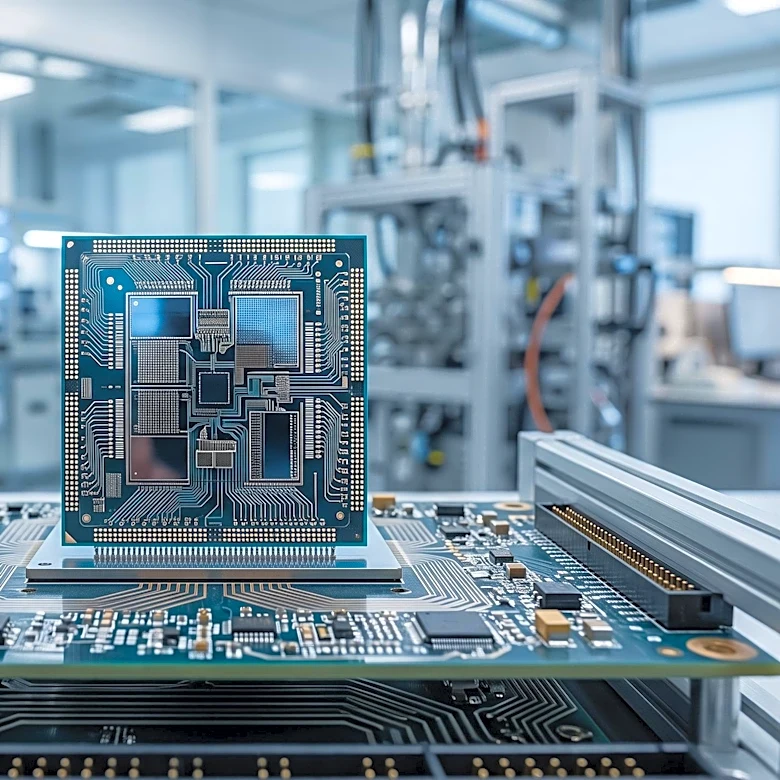
CEO Jamie Dimon, ahead of Anthropic's anticipated initial public offering (IPO). Amodei highlighted the rapid technological advancement in the AI field and the uncertainty surrounding how this growth will translate into economic value for the business. The challenge stems from the immense computational resources required to develop and operate advanced AI models, which are constantly evolving and demanding more power.
Why It's Important?
Amodei's statement underscores a critical bottleneck for the rapidly expanding artificial intelligence industry. The availability and cost of computing power are not just operational concerns but fundamental strategic challenges that can dictate the pace of innovation and market competitiveness for AI companies like Anthropic. This dilemma could impact the valuation and long-term growth prospects of AI firms, especially as they prepare for public offerings. Investors will be closely watching how companies address these computational demands, as efficient resource management and strategic partnerships for compute access could become key differentiators. The issue also highlights the broader infrastructure requirements for the AI revolution, potentially driving demand and investment in data centers, semiconductor manufacturing, and energy solutions.
What's Next?
As Anthropic moves towards its initial public offering, the company will likely need to articulate a clear strategy for securing and managing its computing power needs. This could involve long-term contracts with cloud providers, investments in proprietary hardware, or innovative approaches to optimize computational efficiency. The market's reaction to Anthropic's IPO will likely reflect investor confidence in the company's ability to navigate this 'deepest business dilemma.' Furthermore, the broader AI industry will continue to grapple with these challenges, potentially leading to increased consolidation, strategic alliances between AI developers and infrastructure providers, and a push for more energy-efficient computing solutions to sustain rapid technological progress.
Beyond the Headlines
The challenge of computing power for AI companies extends beyond immediate business concerns, touching upon broader economic and technological implications. The insatiable demand for computational resources by AI models raises questions about energy consumption and environmental sustainability, potentially driving innovation in green computing. It also highlights the increasing reliance of cutting-edge technology on a limited number of powerful hardware providers, creating potential supply chain vulnerabilities and geopolitical considerations. The rapid evolution of AI technology, as noted by Amodei, also implies a constant need for re-evaluation of business models and investment strategies, as today's leading solutions could quickly be superseded. This dynamic environment necessitates agility and foresight from both AI companies and their investors.