

What's Happening?
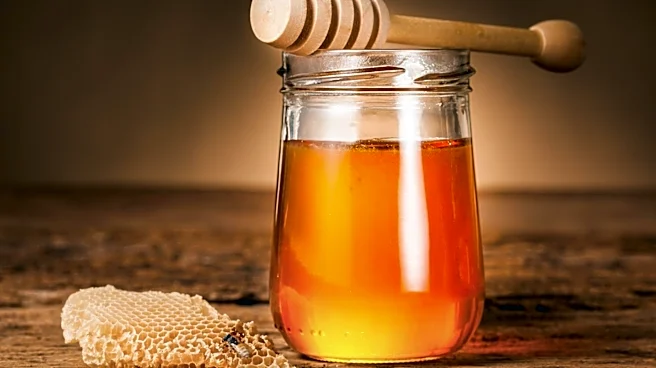
U.S. honey production is inherently variable, with each year's harvest reflecting the specific environmental conditions and floral sources available to bees. This natural variability means that honey, even from the same beekeeper and location, will taste
different from one year to the next. Factors such as wet springs, dry summers, and the dominant blooming plants significantly influence the nectar collected by bees, directly impacting the honey's flavor profile, color, and texture. For instance, a season with abundant wildflowers due to heavy rains following a dry spell will yield a different honey than one dominated by clover. This annual fluctuation is a key characteristic of honey as an agricultural product, much like wine, and is particularly relevant for traditions like dipping apples in honey for Rosh Hashanah.
Why It's Important?
The annual variation in U.S. honey production has several important implications. For consumers, it means that the taste and characteristics of honey can differ significantly, encouraging a deeper appreciation for its agricultural origins and the specific environmental conditions of its production. For beekeepers and the honey industry, this variability necessitates adaptability in managing hives and marketing products, as yields and flavor profiles are subject to unpredictable weather patterns. This also highlights the importance of local beekeeping, as it allows consumers to connect directly with the source and understand the unique story behind each jar. Furthermore, the discussion around honey's natural changes underscores broader issues of agricultural authenticity and the impact of climate on food production.
What's Next?
Consumers are encouraged to engage more directly with local beekeepers at farmers' markets to understand the floral sources and environmental factors influencing each year's honey. This direct interaction can provide insights into the honey's unique characteristics and help in selecting the best type for specific uses, such as a light, delicate honey for dipping apples during Rosh Hashanah or a robust variety for baking. Beekeepers will continue to monitor weather patterns and local flora to anticipate and adapt to annual changes in honey production. The industry may also see increased emphasis on labeling that specifies floral source, geographic origin, or harvest season to better inform consumers about the distinct qualities of their honey.
Beyond the Headlines
Beyond its culinary and traditional uses, the annual variation in honey serves as a tangible indicator of local ecosystem health and climate patterns. Each jar of honey encapsulates a 'record' of a particular landscape at a specific moment in time, offering insights into the biodiversity and environmental conditions of that year. This natural phenomenon can foster a greater appreciation for the interconnectedness of agriculture, environment, and cultural practices. It also subtly educates the public about the challenges faced by pollinators and the importance of supporting sustainable beekeeping practices, which are crucial for agricultural ecosystems beyond just honey production.