


What's Happening?
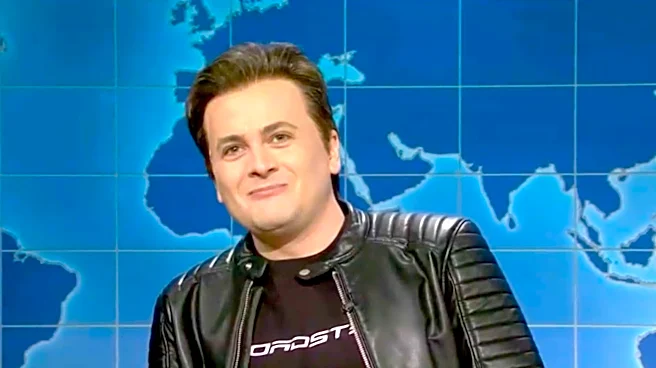
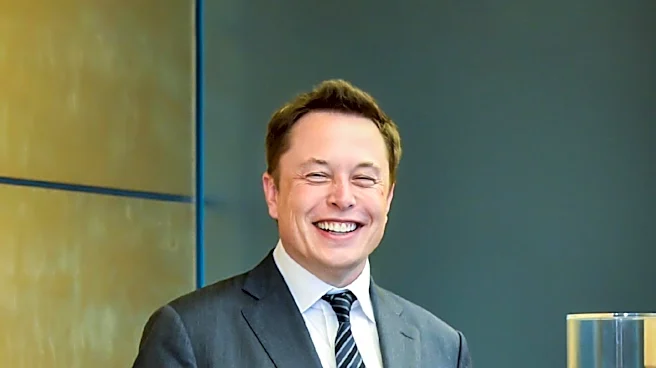
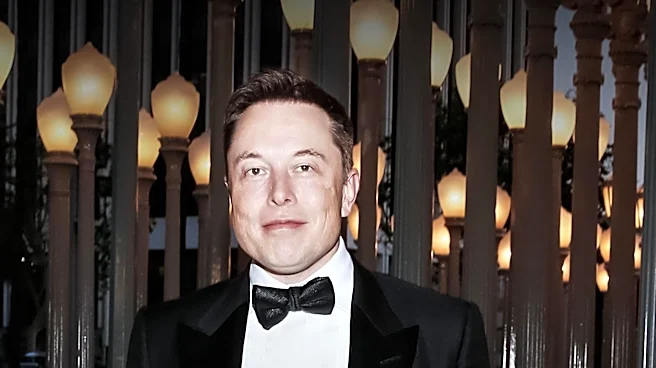
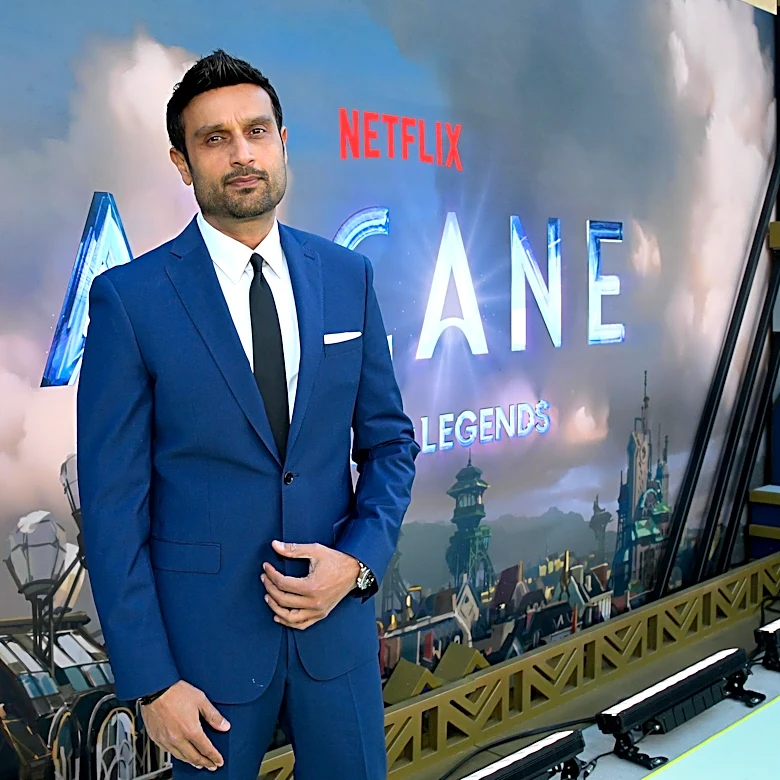
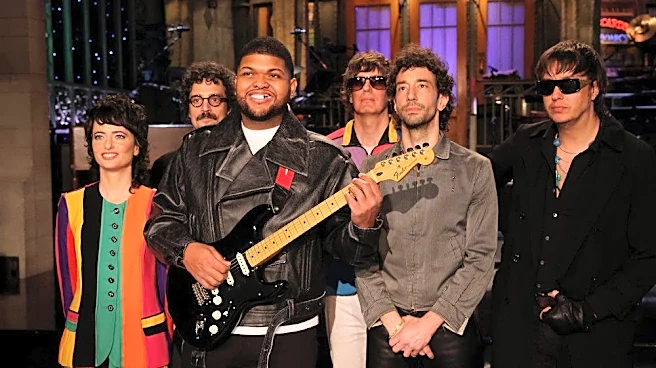
Saturday Night Live (SNL) recently featured Elon Musk as a punchline during its 'Weekend Update' segment, drawing criticism from some of his fans. The skit portrayed a character resembling Musk, played by Jeremy Culhane, who was questioned by co-anchor
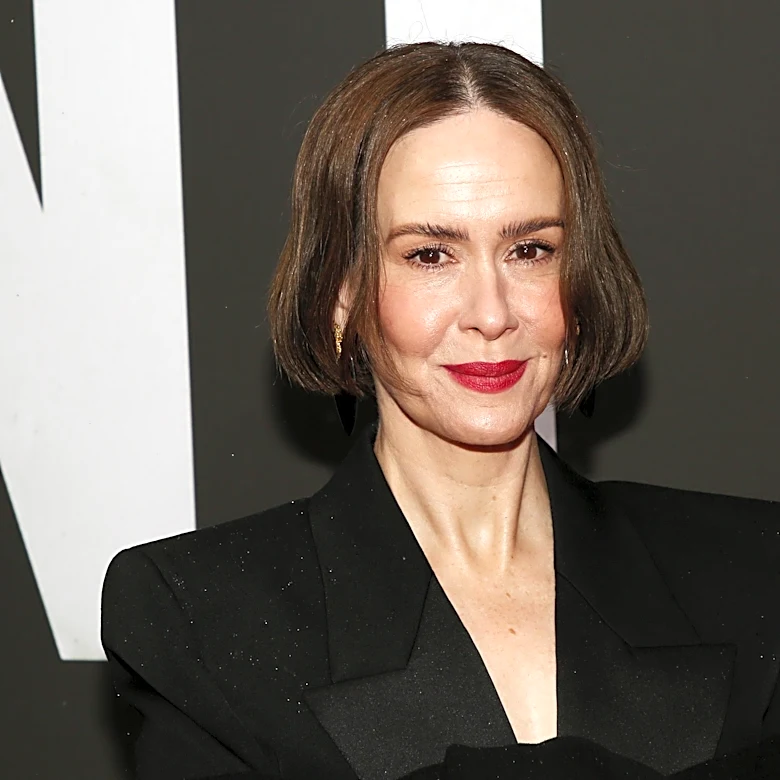
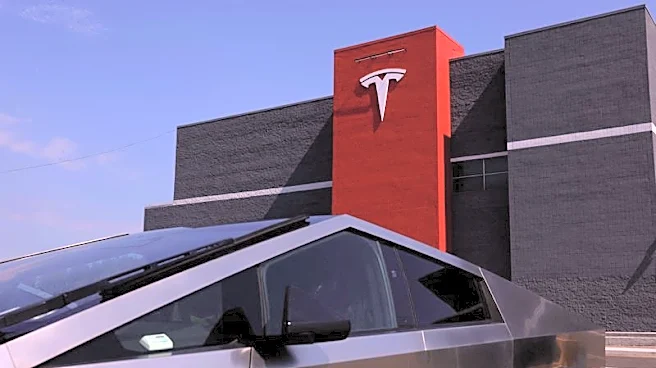
Colin Jost about the performance of Tesla and SpaceX stocks and the discontinuation of Cybertruck production. The character also joked about feeling bad that Texas would be run by Democrats. This portrayal follows Musk's previous hosting of SNL in May 2021 and his subsequent criticisms of the show. Podcaster Katie Miller, who has worked for Musk and is married to White House Chief of Staff Stephen Miller, publicly criticized the sketch, calling it a 'political hit job' and stating that SNL is the 'antithesis of comedy and satire.'
Why It's Important?
This incident highlights the ongoing tension between public figures, particularly those with significant online followings, and satirical media. For SNL, a show known for its political and cultural commentary, targeting prominent figures like Elon Musk is a common practice. However, the strong reaction from Musk's supporters, including Katie Miller, underscores the challenges faced by comedians in an era where public figures often have dedicated fan bases who are quick to defend them. This can lead to accusations of bias or unfair targeting, potentially impacting the show's viewership and its perceived ability to deliver unbiased satire. The incident also reflects the broader debate about the boundaries of humor and the responsibility of media in portraying public figures.
What's Next?
The ongoing debate surrounding SNL's portrayal of public figures like Elon Musk is likely to continue. As SNL maintains its tradition of satirizing current events and prominent personalities, it will likely face further scrutiny and reactions from various fan bases and political groups. The show's creators and writers will need to navigate these reactions while striving to maintain their comedic voice and relevance. Public figures, in turn, may continue to use their platforms to respond to such portrayals, further fueling discussions about media representation and the nature of satire in the digital age. This dynamic could influence future comedic approaches and the public's reception of satirical content.
Beyond the Headlines
The portrayal of Elon Musk on SNL and the subsequent backlash reveal deeper implications regarding the intersection of celebrity, media, and public perception. The strong defense of Musk by his fans, including Katie Miller, suggests a growing trend where public figures are not just individuals but also symbols around which communities form. When these symbols are satirized, it can be perceived as an attack on the community itself, leading to a more intense and organized response than might have been seen in the past. This phenomenon challenges traditional notions of satire, where public figures were often fair game. It also raises questions about the influence of social media in amplifying these reactions and shaping public discourse around comedic content, potentially leading to a more cautious approach from satirical programs.