





What's Happening?
A group of U.S. General Partners (GPs) recently visited Seoul for the second annual VC Korea Field Trip, engaging with Limited Partners (LPs), family offices, and founders within South Korea's startup ecosystem. The trip highlighted the significant economic
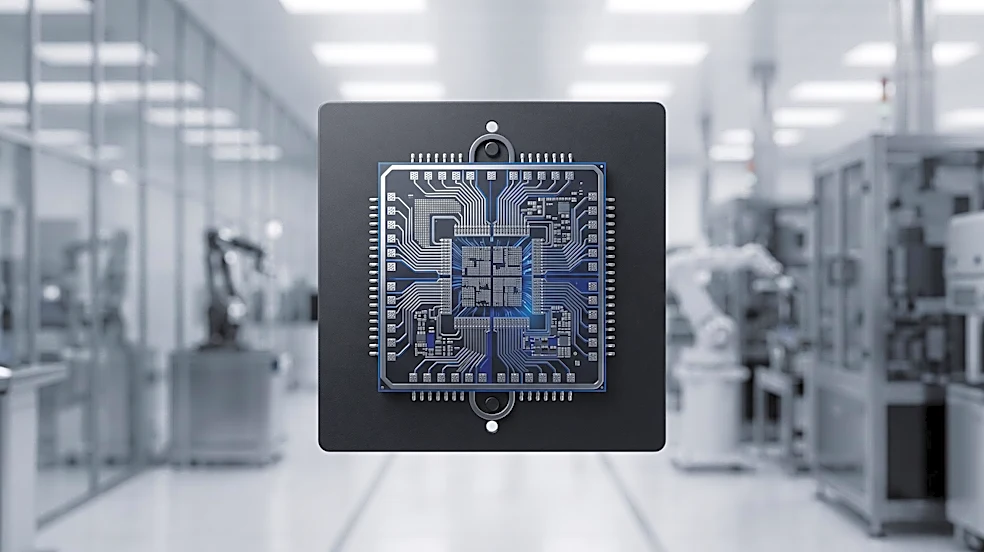
growth of South Korea, which has transformed from one of the poorest countries in 1954 with a GDP per capita of $64-$67 to a projected $43,510 in 2026. Discussions also focused on the country's aggressive adoption of Artificial Intelligence (AI) to counter rapid population aging and boost productivity. Unlike the cautious approach often seen in the U.S., 70% of the Korean public views AI favorably, with over 40% of its working-age population utilizing generative AI. Domestic corporations such as Naver, Kakao, SK Telecom, and KT are collaborating with the government to develop sovereign AI models. The delegation also met with FuriosaAI, a South Korean semiconductor company building AI inference chips, which recently turned down an $800 million acquisition offer from Meta and is now valued at over $2 billion.
Why It's Important?
This U.S. venture capital interest in South Korea underscores the growing global interconnectedness of the tech and investment sectors. For U.S. investors, understanding South Korea's rapid economic development and its proactive stance on AI offers insights into potential investment opportunities and market trends. The stark contrast in AI adoption attitudes between South Korea and the U.S. could influence future policy discussions and technological development strategies in both nations. South Korea's success in leveraging AI to address demographic challenges like population aging could serve as a model or a cautionary tale for other developed countries, including the U.S., facing similar issues. Furthermore, the emergence of companies like FuriosaAI, which are attracting significant valuations and rejecting offers from major U.S. tech giants, signals a shift in the global tech landscape, indicating that innovation hubs are diversifying beyond traditional centers.
What's Next?
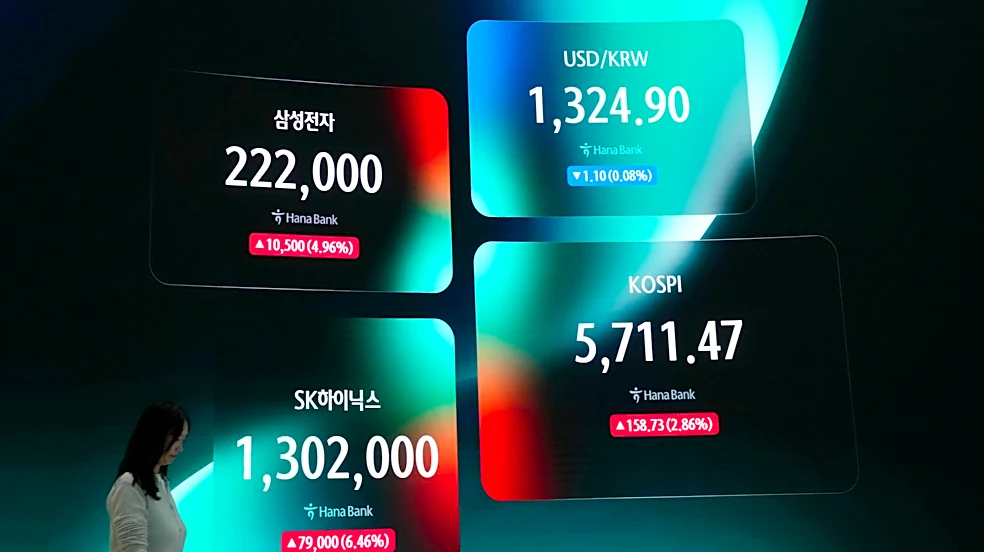
The continued engagement between U.S. venture capitalists and the South Korean startup scene suggests potential for increased cross-border investments and collaborations. The annual VC Korea Field Trip is expected to continue, fostering further connections. South Korea's aggressive push in AI, backed by state funding and corporate integration, is likely to accelerate the development of new AI technologies and applications, potentially leading to breakthroughs that could impact global markets. The success of South Korean semiconductor companies like FuriosaAI, in partnership with giants like Samsung and SK Hynix, indicates a strengthening of the country's position in the global semiconductor supply chain, which is a critical area of interest for U.S. technology and national security. Future developments may include more strategic partnerships, mergers, and acquisitions involving U.S. and South Korean tech firms.
Beyond the Headlines
The visit highlights a deeper cultural and economic phenomenon: South Korea's remarkable post-war transformation and its current leadership in areas like pop culture (Hallyu movement), technology, and AI. The willingness of South Korea to embrace AI, even teaching children its use at an early age, reflects a national strategy to maintain economic competitiveness and address societal challenges. This contrasts with the more cautious and sometimes fearful approach to AI in the U.S., raising questions about the ethical, social, and economic implications of differing national AI strategies. The influence of 'chaebol' families, who have built vast conglomerates over generations, also provides a unique insight into the structure of South Korean business and its impact on innovation and global reach. This dynamic interplay between traditional business structures and cutting-edge technology shapes South Korea's role on the world stage.